



Are you looking to make your drilling tasks easier, faster, and more precise? Using a magnetic drill can be a game-changer for your projects, whether you’re working on metal, construction, or heavy machinery.
But if you’re not sure how to use it properly, you might miss out on its full potential—or worse, risk safety issues. In this guide, you’ll discover simple, step-by-step instructions to master your magnetic drill quickly. By the end, you’ll feel confident handling it like a pro and get the perfect results every time.
Ready to unlock the power of your magnetic drill? Let’s dive in.
Credit: www.canadianmetalworking.com
Choosing The Right Magnetic Drill
Choosing the right magnetic drill is crucial for safe and efficient work. The right drill matches your project needs and skill level. It saves time and effort while ensuring quality results. Understanding the types, features, and safety aspects helps you pick the best tool.
Types Of Magnetic Drills
Magnetic drills come in different types for various tasks. Portable drills are easy to carry and fit small spaces. Heavy-duty drills handle thick metal and long jobs. Corded drills offer constant power, while cordless drills give freedom to move. Each type suits different work conditions and materials.
Key Features To Consider
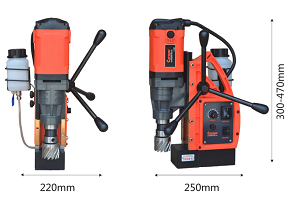
Look at power and magnet strength first. Strong magnets keep the drill steady on metal surfaces. Check drill speed and control options for precision. Size and weight affect comfort and handling. Easy-to-use controls reduce mistakes and fatigue. Choose a drill with good build quality for durability.
Safety Certifications
Safety certifications show the drill meets strict standards. Look for CE, UL, or CSA marks on the product. These certifications ensure electrical safety and quality. Certified drills reduce the risk of accidents and injuries. Always buy tools with proper safety approval for peace of mind.
Preparing For Drilling
Preparing for drilling with a magnetic drill is a key step for safe and accurate work. Proper setup helps avoid mistakes and keeps the process smooth. Follow simple steps to get ready before you start drilling.
Work Surface And Material Setup
Choose a flat and clean metal surface for the drill. Dirt or rust can weaken the magnetic hold. Place the material securely on a stable base. This prevents movement during drilling and improves precision.
Securing The Drill
Turn on the magnet to attach the drill firmly to the metal. Check if the drill is stable and does not wobble. A strong hold prevents slipping and ensures safety. Never drill without the magnet fully engaged.
Selecting The Correct Drill Bit
Pick a drill bit that fits the metal type and thickness. Use bits made for metal drilling, such as cobalt or carbide. Match the bit size to the hole needed. Sharp bits cut cleaner and last longer.
Operating The Magnetic Drill
Operating a magnetic drill requires careful steps to ensure safety and accuracy. This tool uses a strong magnet to hold itself firmly on metal surfaces. Understanding how to power it on, adjust settings, and keep it stable helps you drill clean, precise holes. Follow these guidelines to handle the drill properly and get the best results.
Powering On And Positioning
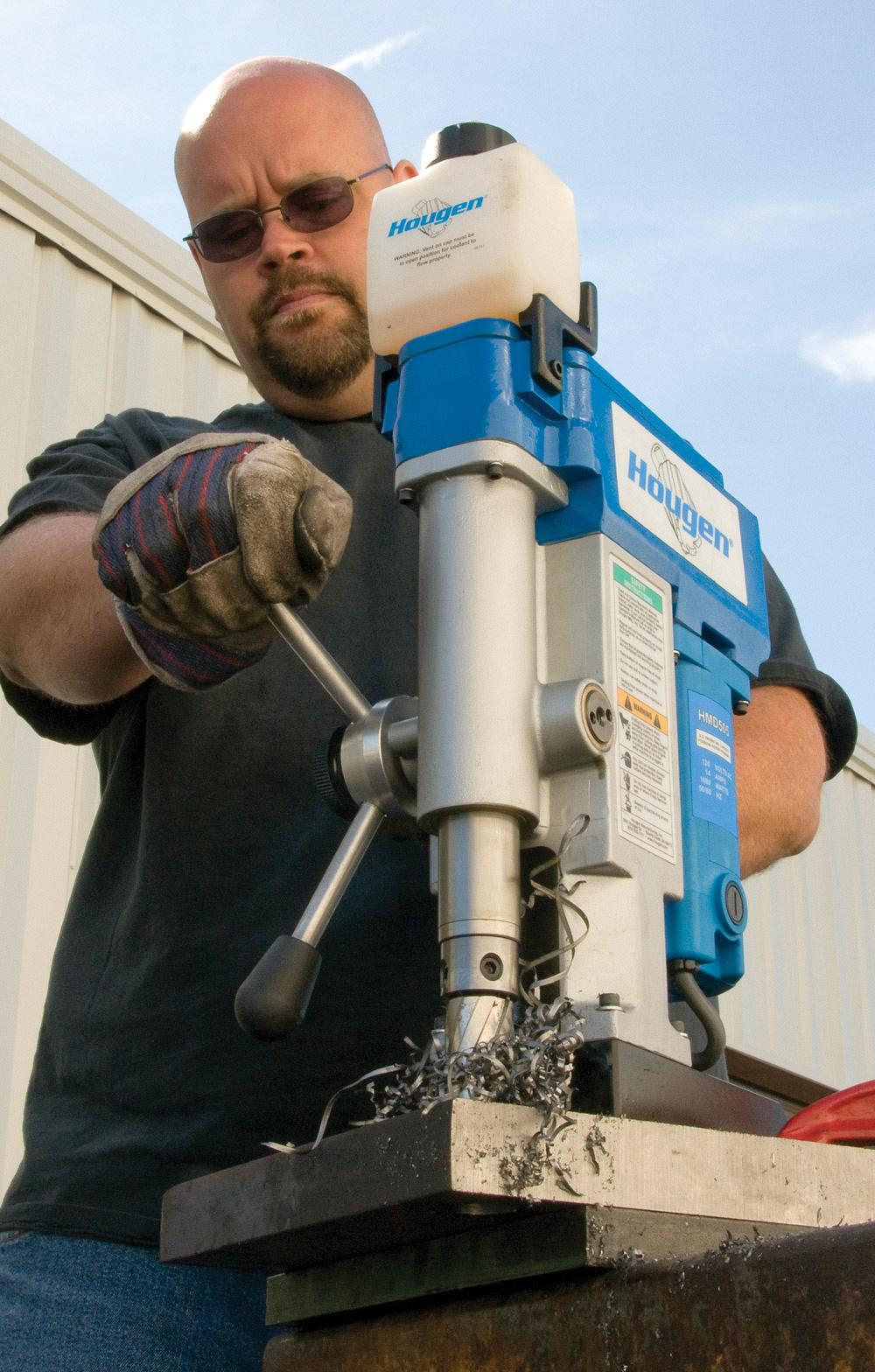
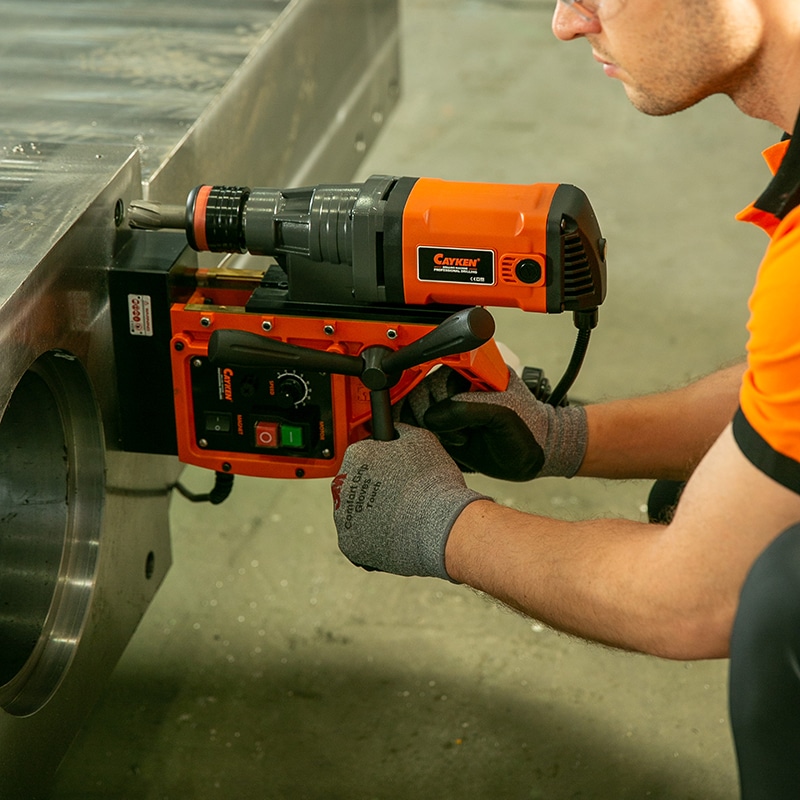
Place the magnetic drill on a clean, flat metal surface. Make sure the surface is free of rust and debris. Turn on the magnet switch first to secure the drill in place. Check that the drill is firmly attached before powering the motor. Position the drill bit over the spot where you want the hole. Use the handle to adjust the drill’s angle if needed. This setup prevents slipping and ensures safety during use.
Adjusting Speed And Feed
Set the drill speed based on the metal type and thickness. Lower speeds work best for harder metals. Higher speeds suit softer metals and thinner sheets. Adjust the feed rate by controlling how fast you push the drill into the material. Feed too fast and the bit may overheat or break. Feed too slow and the job takes longer. Find a steady pace for smooth drilling and longer tool life.
Maintaining Stability During Drilling
Keep the drill steady by holding the handles firmly. Avoid pushing too hard; let the drill do the work. Watch for any vibrations or movement in the drill base. Stop and reposition if the drill shifts. Use coolant or cutting fluid to reduce heat and friction. Regularly check the magnet’s grip during long jobs. Stability prevents damage and improves hole quality.
Safety Practices
Using a magnetic drill safely protects you and others around. Following safety practices reduces accidents and injuries. Always be aware of your environment and the machine’s power. Safety is not just a rule but a habit to build.
Personal Protective Equipment
Wear safety glasses to shield your eyes from metal chips. Use ear protection to avoid loud noise damage. Gloves protect your hands but ensure they fit well. Steel-toed boots guard your feet from heavy objects. Dress in close-fitting clothes to prevent catching in moving parts.
Avoiding Common Hazards
Keep the work area clean and free of clutter. Check the magnetic base firmly attaches before starting. Never use the drill on unstable or thin surfaces. Watch out for loose cables and sharp edges. Do not force the drill; let it work at its pace.
Emergency Procedures
Know the location of the emergency stop button. Have a clear path to exit the workspace quickly. Keep a fire extinguisher nearby and know how to use it. Report any accidents or equipment malfunctions immediately. Stay calm and follow safety plans during emergencies.
Maintenance And Troubleshooting
Proper maintenance and quick troubleshooting keep your magnetic drill working well. Regular care improves safety and tool life. Simple checks stop small problems from growing. Learn basic steps to clean, check, and fix your drill. Save time and avoid costly repairs by acting early.
Cleaning And Lubrication
Always clean the drill after use. Remove metal chips and dust from all parts. Use a soft brush or cloth for cleaning. Avoid water, which can cause rust. Apply light machine oil to moving parts. Lubricate the drill’s spindle and gears regularly. This reduces wear and keeps the drill smooth.
Checking Magnetic Base Strength
Test the magnetic base before each job. A weak magnet can cause slipping and accidents. Place the drill on a clean, flat metal surface. Turn on the magnet and try to move the drill. If it moves easily, the magnet is weak. Clean the base to remove dirt and metal shavings. If weak still, consider professional service or replacement.
Addressing Common Issues
The drill may not start if power is low or cables are damaged. Check the power source and connections first. Overheating happens if used too long without breaks. Let the drill cool before continuing work. If the drill bit does not rotate, check the clutch or motor. Strange noises often mean worn parts or loose screws. Tighten screws and inspect parts regularly to avoid problems.
Credit: caykentools.com
Advanced Drilling Techniques
Advanced drilling techniques help you get precise and efficient results with a magnetic drill. These methods go beyond basic drilling and improve your skills. You can handle complex tasks and save time by using these techniques correctly.
Drilling At Angles
Drilling at angles requires careful setup and control. Use an adjustable base or angle guide to position the drill. Secure the material firmly to avoid slipping. Keep the drill steady and move slowly to maintain accuracy. Check the angle regularly to ensure the hole is straight.
Using Coolants And Lubricants
Coolants and lubricants reduce heat and wear during drilling. Apply them to the drill bit and hole area. This keeps the bit sharp and prevents damage to the material. Use water-based coolants for metals and oil-based lubricants for tougher materials. Proper use extends the drill’s life and improves hole quality.
Multiple Hole Patterns
Multiple hole patterns require precision and planning. Mark all hole points clearly before drilling. Use a template or jig for consistent spacing. Drill each hole with steady pressure and the same speed. This avoids misalignment and keeps your work neat. Recheck measurements between holes to stay accurate.
Credit: www.gz-supplies.com
Frequently Asked Questions
What Is A Magnetic Drill Used For?
A magnetic drill is used for drilling precise holes in metal. It features a powerful magnetic base that secures it to steel surfaces. This tool is ideal for construction, manufacturing, and metalworking jobs requiring stability and accuracy.
How Do You Safely Operate A Magnetic Drill?
To safely operate, secure the drill on a clean metal surface. Always wear protective gear like gloves and goggles. Check the magnet’s strength and ensure proper drill bit installation before starting the machine.
Can Magnetic Drills Work On Non-metal Surfaces?
No, magnetic drills require a ferrous metal surface to attach securely. They will not hold on non-metal or non-magnetic surfaces. For other materials, different types of drills are recommended.
How Do You Maintain A Magnetic Drill For Longevity?
Regularly clean the magnetic base and drill components. Lubricate moving parts and check electrical connections. Replace worn drill bits promptly to maintain performance and safety. Store the tool in a dry place to avoid rust.
Conclusion
Using a magnetic drill makes drilling metal easier and safer. Always check the drill’s magnet holds well before starting. Keep the drill steady and use the right drill bits. Clean the area and wear safety gear to protect yourself. Practice these steps to improve your drilling skills.
Magnetic drills save time and effort on tough jobs. Remember, safety first and take your time. This tool can help you work more efficiently and with less stress. Try it out and see the difference it makes.
