


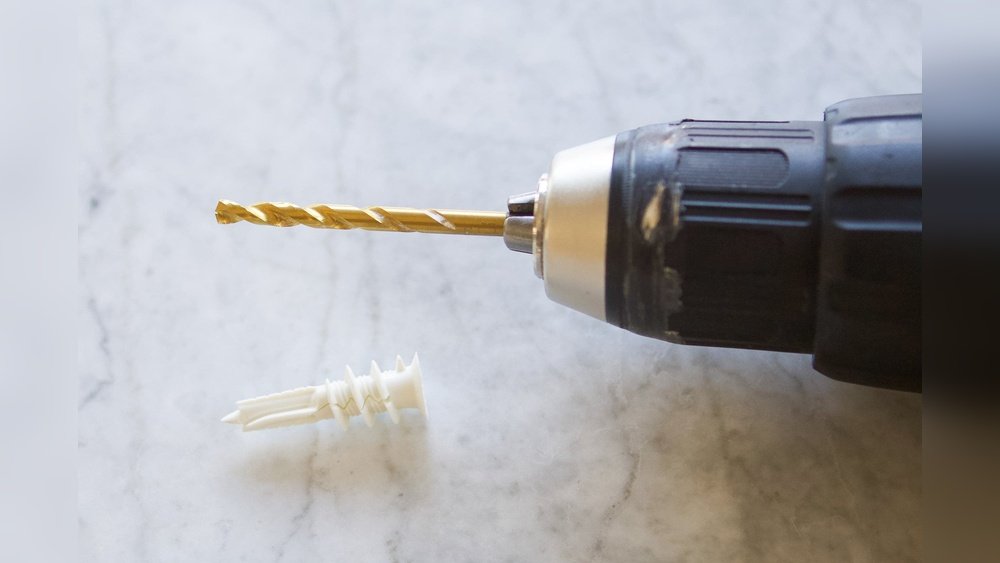
Are you ready to tackle your next home project but unsure how to drill the perfect anchor hole? Getting it right the first time can save you frustration, time, and even damage to your walls.
Whether you’re hanging a heavy mirror, mounting shelves, or securing fixtures, knowing the exact steps to drill an anchor hole is crucial. In this guide, you’ll discover simple, clear instructions that make the process easy—no guesswork, no mistakes. Keep reading to learn how to drill an anchor hole like a pro and make your project a success from start to finish.
Choosing The Right Anchor
Choosing the right anchor is key to a strong, secure hold. The anchor must fit the material and the load it will carry. Picking the wrong type can cause damage or failure. This guide helps you select the best anchor for your drilling job.
Types Of Anchors
There are several common types of anchors. Expansion anchors expand inside the hole as you tighten them. Sleeve anchors use a metal sleeve that grips the hole walls. Toggle bolts have wings that open behind the wall for strong support. Plastic anchors are lightweight and good for light loads. Each type suits different jobs and materials.
Matching Anchors To Materials
Different materials need specific anchors. Concrete and brick work well with expansion or sleeve anchors. Drywall requires toggle bolts or plastic anchors for better grip. Wood can hold screws directly but may need anchors for heavy loads. Choose anchors designed for the material to avoid slipping or damage.

Credit: www.picturehangsolutions.com
Selecting The Proper Drill Bit
Selecting the proper drill bit is a key step when drilling an anchor hole. The right bit makes the job easier and safer. It ensures a clean hole that fits the anchor tightly. Choosing the wrong bit can damage the material or make the anchor loose. Knowing the size and type of drill bit helps you get the best results.
Drill Bit Sizes
Choose a drill bit size based on the anchor size. The hole should be slightly smaller or equal to the anchor diameter. This helps the anchor grip well inside the hole. Using a bit that is too large makes the anchor loose. A bit that is too small can crack the material or make drilling hard.
Check the anchor package for size recommendations. Many anchors list the best drill bit size. Use a drill bit gauge to measure your bit if unsure. This step saves time and prevents mistakes.
Material-specific Bits
Select drill bits designed for the material you are drilling. Wood, concrete, metal, and drywall need different bits. Masonry bits work best for concrete and brick. They have a strong tip to break through hard surfaces.
Wood bits have sharp edges to cut smoothly. Metal bits are made from tough steel to handle hard metals. Using the wrong bit can cause damage or wear the bit quickly. Always match the bit to the material type for clean, safe holes.
Preparing The Drill And Workspace
Preparing the drill and workspace is the first step to drill an anchor hole. A clean and safe area helps you work better and avoid mistakes. Organizing tools and setting up the drill correctly saves time and effort.
Safety Gear Essentials
Wear safety goggles to protect your eyes from dust and debris. Use ear protection to reduce loud noise from the drill. Gloves help protect your hands from sharp edges and vibrations. Dress in tight clothing to avoid getting caught in the drill. Keep a first aid kit nearby for emergencies.
Marking The Drilling Spot
Use a pencil or marker to mark the exact spot for the hole. Measure twice to ensure correct placement. A center punch can make a small dent on the mark. This dent keeps the drill bit from slipping. Accurate marking prevents damage to walls and materials.
Drilling Techniques For Accuracy
Drilling an anchor hole requires precision to ensure a secure hold. Accurate drilling prevents damage and keeps the anchor strong. Using the right techniques helps maintain control and achieve the perfect hole.
Maintaining Drill Stability
Hold the drill firmly with both hands. Keep the drill straight and steady. Avoid tilting the drill to prevent uneven holes. Place your feet firmly on the ground for balance. Use clamps to hold the material if possible. Steady hands lead to clean, accurate holes.
Controlling Drill Speed
Start drilling at a slow speed to guide the bit. Increase speed gradually as the bit enters the material. Too fast can cause slipping or overheating. Slow speed helps maintain control and prevents damage. Use the correct speed for the material type. Proper speed ensures a precise, clean hole.
Preventing Common Drilling Mistakes
Drilling an anchor hole needs care to avoid common mistakes. These errors can weaken the hold or damage the wall. Taking simple steps can help you drill clean, strong holes.
Avoiding Over-drilling
Stop drilling as soon as the hole is deep enough for the anchor. Over-drilling makes the hole too big. This can cause the anchor to fit loosely and fail to hold weight. Use a drill bit with a depth stop or tape on the bit. This helps control how deep you drill each hole.
Managing Dust And Debris
Dust blocks the hole and makes it hard to insert the anchor. Clean the hole often by blowing air or using a small brush. This clears dust and debris. Keep the work area tidy to avoid slipping or mistakes. A clean hole gives the anchor a stronger grip and better support.

Credit: handtoolessentials.com
Securing The Anchor Properly
Securing the anchor properly is a key step in any drilling project. It ensures the anchor holds tight and supports the load as expected. A loose or improperly set anchor can cause damage or accidents. Take time to prepare the hole and install the anchor correctly. This will help the anchor stay strong and last longer.
Cleaning The Hole
Start by removing all dust and debris from the drilled hole. Use a brush or compressed air to clear the inside. Dirt or loose particles weaken the anchor’s grip. A clean hole allows the anchor to fit snugly. This step improves the anchor’s holding power and safety.
Inserting And Tightening The Anchor
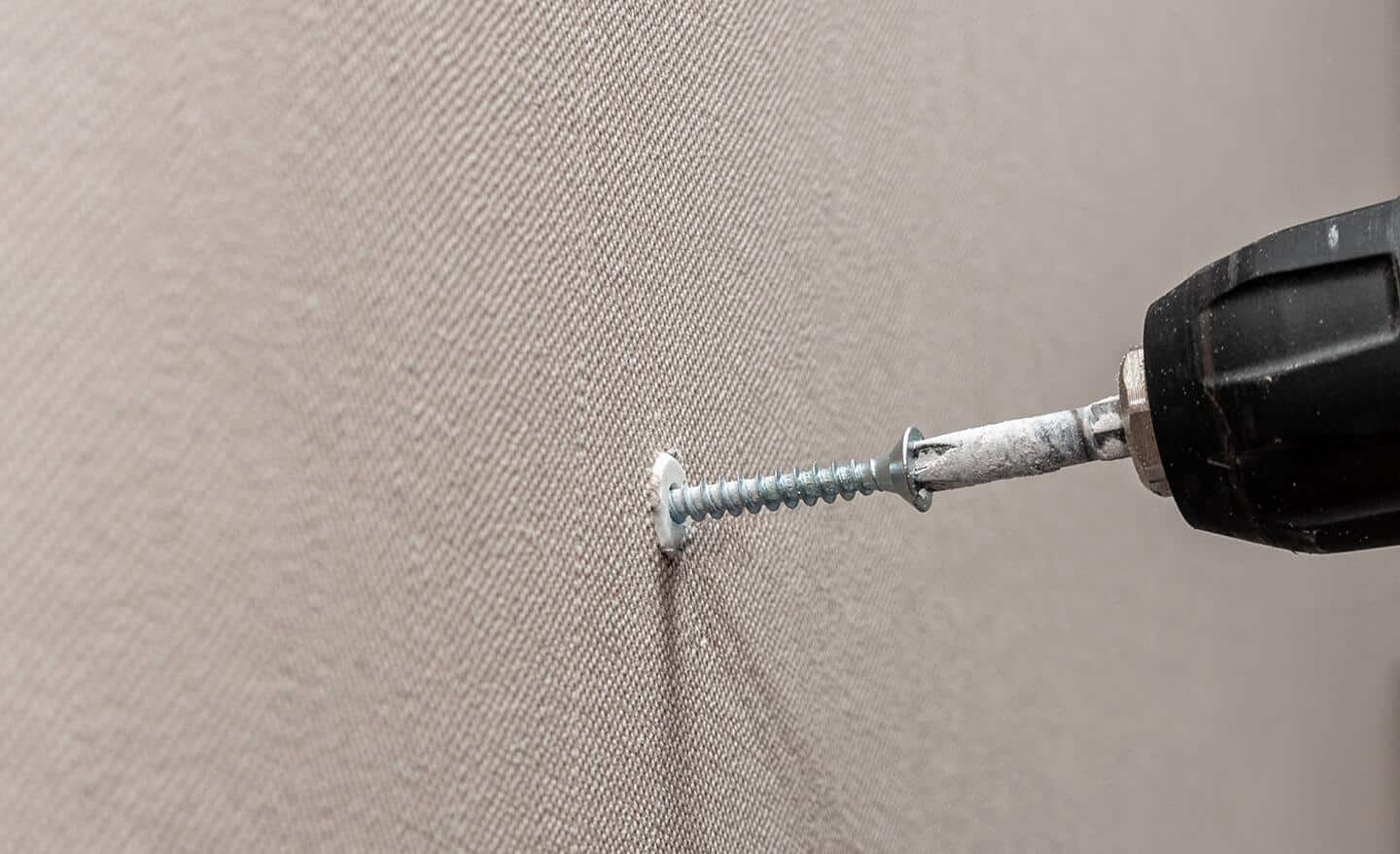
Place the anchor carefully into the cleaned hole. Push it until it is flush with the surface. Use a screwdriver or wrench to tighten the anchor properly. Tightening expands the anchor, making it grip the hole walls firmly. Do not over-tighten, as this can damage the anchor or wall. Check the anchor is secure before adding any load.
Troubleshooting Drilling Issues
Drilling anchor holes can sometimes bring unexpected problems. These issues slow down your work and can damage the material or tools. Knowing how to fix common drilling problems helps you finish your task smoothly. Here are practical tips for two common issues.
Dealing With Hard Materials
Hard materials like concrete or brick can resist drilling. Using a drill bit made for masonry helps. Start with a smaller bit to make a pilot hole first. Apply steady, moderate pressure without pushing too hard. Let the drill do the work. If the drill overheats, pause and let it cool. Wetting the surface slightly can reduce dust and heat.
Fixing Misaligned Holes
Misaligned holes cause problems when installing anchors. Check your measurements before drilling. Use a pencil or marker to mark the exact spot clearly. If the hole is off, widen it carefully with a larger bit. Fill the wrong hole with a suitable filler or epoxy. Let it dry completely before drilling again. Use a guide or clamp a straight edge to keep the drill steady.
Credit: www.homedepot.com
Frequently Asked Questions
What Tools Do I Need To Drill An Anchor Hole?
You need a drill, masonry bit, hammer drill (for concrete), anchor, and safety gear. Choose the right bit size matching the anchor diameter.
How Deep Should I Drill For An Anchor Hole?
Drill slightly deeper than the anchor length to ensure full insertion and secure hold. This prevents poor anchoring and enhances stability.
Can I Drill An Anchor Hole In Drywall?
Drywall alone is not strong enough for anchors. Use anchors designed for drywall or drill into studs for better support.
How Do I Avoid Cracking When Drilling Anchor Holes?
Use a hammer drill at low speed, apply steady pressure, and avoid forcing the bit. Start with a smaller pilot hole if needed.
Conclusion
Drilling an anchor hole is simple with the right steps. Choose the correct drill bit and mark your spot clearly. Drill straight and steady to avoid damage. Clean the hole well before inserting the anchor. This helps the anchor hold tight and secure.
Taking your time ensures a strong, lasting hold. Now, you can hang or fix items with confidence. Practice makes perfect, so don’t rush the process. Safety first: wear protective gear while drilling. Keep these tips in mind for your next project.
