


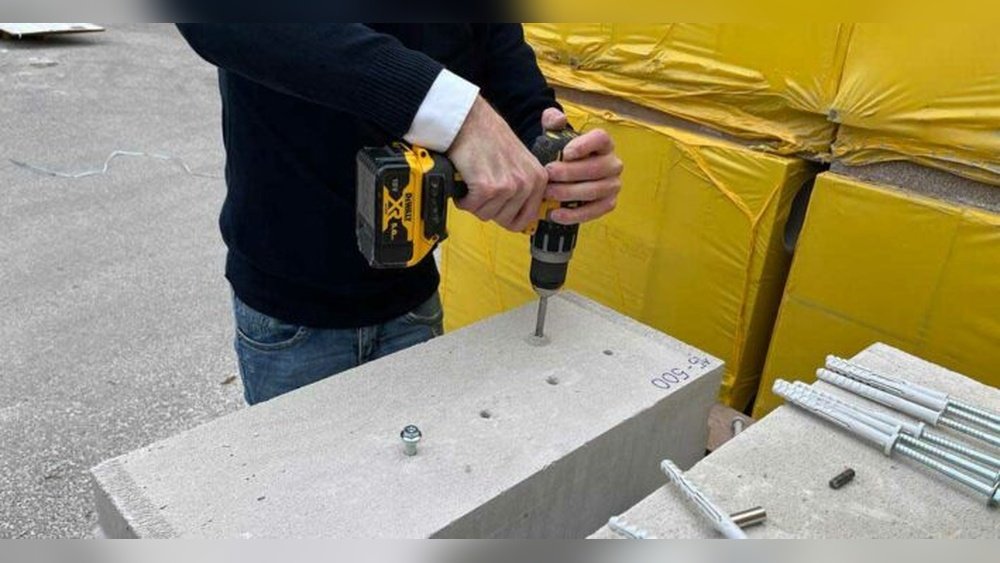
Are you struggling to secure concrete anchors without a hammer drill? You’re not alone.
Many people think a hammer drill is a must-have tool for this job, but what if you don’t have one? Imagine saving time, effort, and money by using simple techniques to get the job done right. You’ll discover easy, step-by-step methods to use concrete anchors without a hammer drill.
By the end, you’ll feel confident tackling your project with the tools you already have. Keep reading to unlock practical tips that make your work easier and more efficient.
Choosing The Right Concrete Anchor
Choosing the right concrete anchor is key to a secure hold. Not every anchor works well without a hammer drill. The right choice ensures strong fixing and saves time. It also prevents damage to the concrete surface. Understanding the types of anchors and key factors helps pick the best one.
Types Of Anchors Suitable For No Hammer Drill
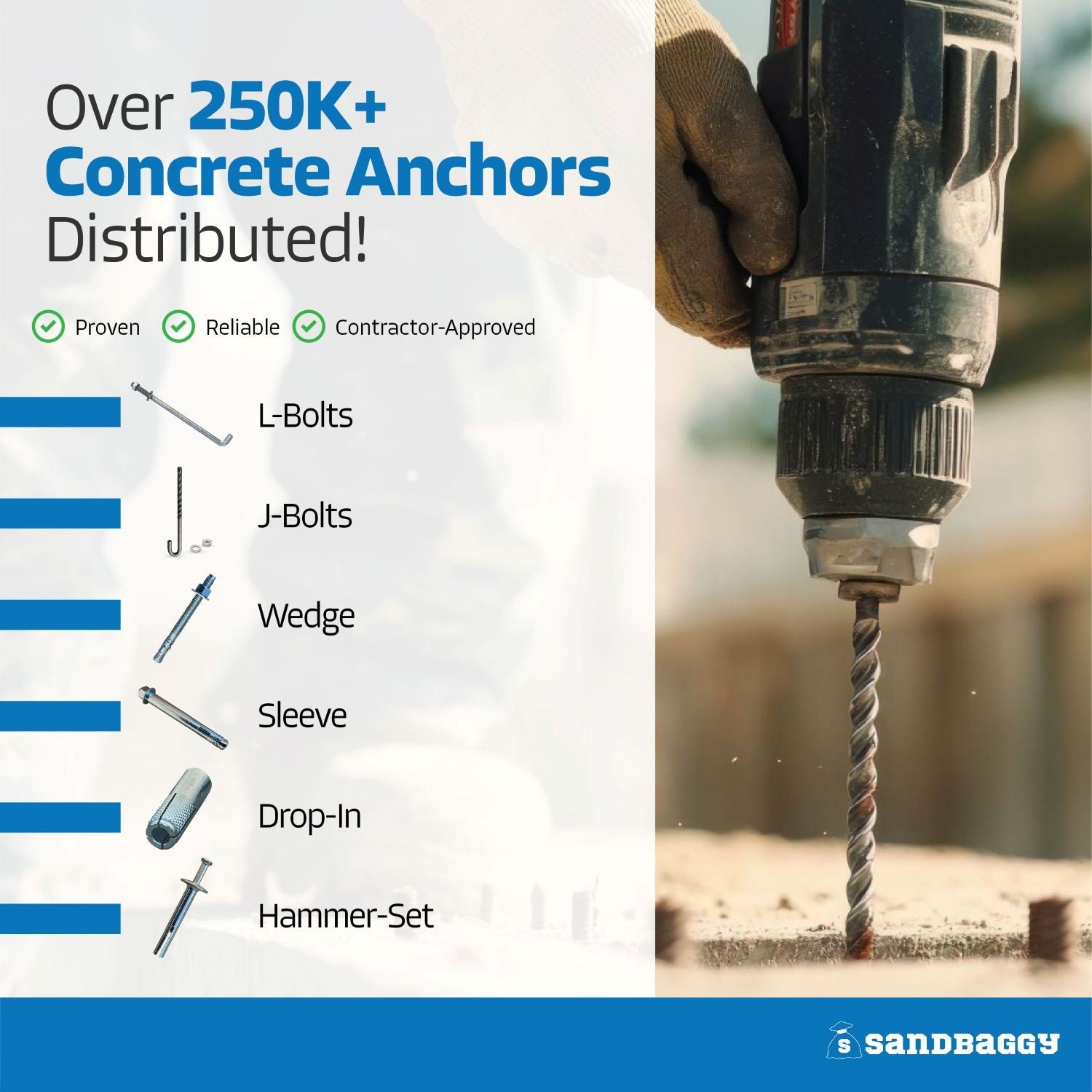
Plastic anchors work well for light loads and small holes. They expand inside the hole to hold firmly. Sleeve anchors fit medium loads and provide a tight grip. They do not need hammering to set. Drop-in anchors are good for heavier loads but require precise drilling. Wedge anchors usually need hammer drills but some types can work without. Choose anchors designed for rotary drills or manual installation.
Factors To Consider For Strong Fixing
Check the anchor’s size and load capacity before buying. Match the anchor size to the screw or bolt used. The concrete hardness affects the anchor’s grip. Softer concrete may need larger anchors or special types. Drill the hole clean and right depth for a tight fit. Avoid over-drilling or loose holes. Consider environmental factors like moisture and temperature too.
Credit: sandbaggy.com
Preparing The Surface
Preparing the surface is a crucial step before using concrete anchors without a hammer drill. A clean and well-marked surface ensures accurate drilling and strong anchor hold. Taking time to prepare helps avoid mistakes and saves effort later.
Cleaning And Marking The Spot
First, clean the concrete surface thoroughly. Remove dust, dirt, and loose debris using a brush or cloth. A clean spot helps the anchor stick better and reduces drill bit slipping.
Next, mark the exact spot where you want to place the anchor. Use a pencil or marker for clear visibility. Accurate marking guides your drilling and prevents errors.
Ensuring Proper Drill Bit Selection
Select the right drill bit size for your concrete anchor. The bit must match the anchor diameter for a tight fit. Using a bit too small or too large weakens the anchor hold.
Choose a masonry drill bit designed for concrete. These bits have strong tips to cut through hard surfaces. Proper bit selection makes drilling easier without a hammer drill.
Drilling Without A Hammer Function
Drilling into concrete without the hammer function requires patience and the right approach. A standard drill without hammer mode can still create holes suitable for concrete anchors. The process takes longer but can be done carefully to avoid damage. Choosing the right tools and technique matters most for clean and safe holes.
Techniques For Effective Drilling
Use a carbide-tipped masonry bit for best results. Start drilling at a slow speed to guide the bit steadily. Apply firm, even pressure without forcing the drill. Pause occasionally to let the bit cool and clear dust. Increase speed slightly after the hole starts forming. Keep the drill perpendicular to the surface for a straight hole.
Tips To Avoid Drill Bit Damage
Do not use excessive force; it can break the bit. Avoid overheating by drilling in short bursts. Remove dust often to prevent clogging and friction. Use water to cool the bit if possible, but avoid electric tool hazards. Replace dull or worn bits promptly for better performance. Proper care extends bit life and improves drilling quality.

Credit: www.g-locbrakes.com
Installing The Anchor
Installing a concrete anchor without a hammer drill is simple and effective. This method works well for light to medium loads in solid concrete. The key is to prepare the hole and anchor carefully to ensure a strong hold.
Follow clear steps to place the anchor correctly and secure the fixing firmly. This process prevents damage and increases safety.
Inserting The Anchor Correctly
First, clean the drilled hole from dust and debris. Use a small brush or air blower to clear it out. This helps the anchor fit tightly and hold better.
Next, gently push the anchor into the hole. Do not force it. The anchor should fit snugly but not bend or break. Tap it lightly with a rubber mallet if needed.
Securing The Fixing Firmly
After placing the anchor, insert the screw or bolt into it. Turn slowly and steadily to avoid stripping the anchor. Tighten until firm but do not over-tighten.
Check the fixing by applying light pressure. The anchor should stay in place without moving. This ensures a safe and strong hold.
Testing The Strength Of The Fixing
Testing the strength of the fixing is key to ensure safety and durability. It shows if the concrete anchor holds well without slipping or breaking. This step helps avoid future problems with the installed item. Simple tests can reveal if the anchor is secure enough for its use.
Simple Load Tests
Apply a small force to the fixed object by hand. Pull or push gently to check if it moves. Use gradual pressure to feel if the anchor grips tightly. Avoid sudden or strong force that could damage the wall or anchor. If the object stays firm, the fixing is likely strong.
Signs Of A Secure Installation
No movement or wobbling means a good hold. The anchor should not loosen when tested. Check for cracks or damage around the fixing point. No cracks indicate proper installation and strength. The object should stay in place even under light pressure.
Troubleshooting Common Issues
Troubleshooting common issues helps you get the best results with concrete anchors. Problems can slow down your work or cause weak holds. Knowing how to fix these issues saves time and effort. Two frequent challenges are loose anchors and tough concrete types. Learning simple fixes makes your project easier and safer.
Dealing With Loose Anchors
Loose anchors happen when the hole is too big or dusty. Clean the hole well before inserting the anchor. Use a hand pump or brush to remove dust and debris. If the hole is too large, try a bigger anchor size. Tighten the anchor slowly and check for movement. Avoid over-tightening to prevent cracking the concrete.
Handling Difficult Concrete Types
Some concrete is hard or crumbly, which makes drilling tricky. Use a sharp, carbide-tipped drill bit for hard concrete. Drill slowly to avoid overheating the bit. For crumbly concrete, drill gently to avoid breaking the edges. You may need to use special anchors designed for weak concrete. Test the anchor hold before applying full weight or pressure.
Safety Tips For No Hammer Drill Use
Using a no hammer drill for concrete anchor installation requires careful attention to safety. Following proper safety tips protects you from injury and ensures a smooth job. Always prepare before drilling to reduce risks.
Protective Gear Recommendations
Wear safety glasses to protect your eyes from dust and debris. Use ear protection to guard against loud noise. Gloves shield your hands from rough surfaces and vibration. Consider a dust mask to avoid inhaling particles. Dress in sturdy clothing that covers your skin fully.
Safe Handling Practices
Hold the drill firmly with both hands for control. Keep your balance and stand on a stable surface. Avoid loose clothing or jewelry that can get caught. Check the drill and anchors for damage before use. Unplug the drill when changing bits or anchors. Work slowly and steadily to prevent slips and mistakes.
Credit: espacioeslava.com
Frequently Asked Questions
What Tools Are Needed To Use Concrete Anchors Without A Hammer Drill?
You need a rotary hammer drill with a chisel function or a manual hand drill. Alternatively, use a chemical anchor for no drilling. Proper anchor type and installation tools ensure secure fixing without a hammer drill.
Can I Install Concrete Anchors Without Pre-drilling Holes?
Pre-drilling is usually required for concrete anchors. Some self-drilling anchors work without pre-drilling but have limited load capacity. Always follow manufacturer instructions to ensure safety and secure installation.
How Do I Ensure Strong Holding With No Hammer Drill Anchors?
Choose anchors designed for no hammer drill use, like adhesive or screw-in types. Clean the hole thoroughly and follow curing times. Proper installation technique is key for maximum holding strength.
Are No Hammer Drill Concrete Anchors Suitable For Heavy Loads?
No hammer drill anchors can handle light to medium loads well. For heavy loads, traditional hammer drill installation with mechanical anchors is recommended for safety and reliability.
Conclusion
Using a concrete anchor without a hammer drill is simple and effective. Just follow the right steps for drilling and securing. Choose the correct anchor for your project and tool. Take your time to drill straight and clean the hole well.
Tighten the anchor firmly for a strong hold. This method saves effort and works well for many tasks. Practice a few times to get confident and comfortable. Safety always comes first, so wear protective gear. Now you can fix things on concrete without extra tools.
Easy, quick, and reliable.
