

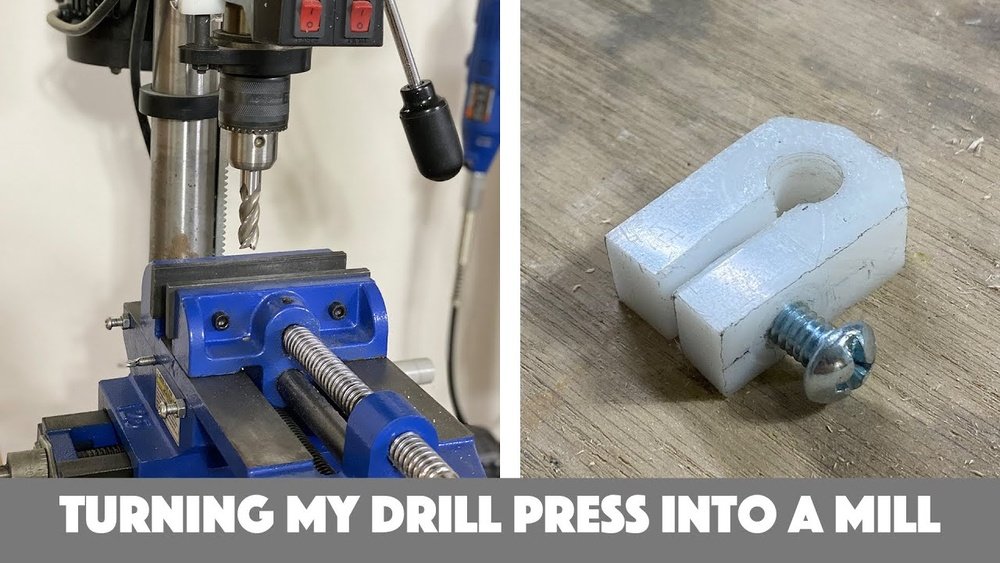
Have you ever wished your drill press could do more than just boring holes? What if you could transform it into a basic milling machine without buying expensive equipment?
Using your drill press as a mill opens up a world of new possibilities for shaping and cutting materials right in your own workshop. In this guide, you’ll discover simple steps and practical tips to get the most out of your drill press, turning it into a versatile tool that saves you time and money.
Ready to unlock your drill press’s hidden potential? Keep reading to find out how.

Credit: www.reddit.com
Choosing The Right Drill Press
Choosing the right drill press is important for milling projects. Not all drill presses can handle milling tasks well. Picking the correct model ensures precision and safety. It also helps you get better results faster. Knowing what features to check saves time and money. This guide helps you find a drill press fit for milling.
Key Features For Milling
Look for a drill press with a strong motor. A motor with at least 3/4 horsepower works best. Speed control is crucial. You need variable speeds to match different materials. The drill press should have a sturdy table. A table with tilt and height adjustments is ideal. It allows precise positioning of your workpiece. Check the quill travel length. Longer travel gives more cutting depth. Solid build quality reduces vibrations. Less vibration means cleaner cuts and better accuracy.
Drill Press Vs Milling Machine
A milling machine is made for cutting and shaping metal. It offers more power and precision. Drill presses are simpler and cheaper. They can do light milling with the right setup. Milling machines have better speed control and rigidity. Drill presses lack some features but are versatile. For small projects, a drill press can substitute a mill. Large or complex jobs need a real milling machine.
Essential Accessories
Using a drill press as a mill needs the right accessories. These tools make your work easier and more precise. Without them, milling tasks become hard and unsafe. Essential accessories improve control and accuracy. They protect both you and your machine. Below are key accessories to have for milling with a drill press.
Milling Attachments
Milling attachments change your drill press into a milling machine. They allow side-to-side and front-to-back movement. This helps in cutting shapes and slots. Some attachments include tables and slides. These parts hold your material steady. They also move it smoothly. This makes your cuts clean and exact.
Workholding Solutions
Workholding solutions keep your material fixed in place. Clamps and vises are common choices. They stop the material from shifting during cutting. This improves safety and precision. Magnetic bases and vacuum tables also help. Choose a method that fits your project size and shape. Secure workholding is key to good milling results.
Cutting Tools And Bits
Cutting tools and bits determine the quality of your milling. End mills and slot cutters are popular types. Use bits made from high-speed steel or carbide. These materials last longer and cut better. Match the bit size to your drill press capacity. Sharp, correct bits reduce effort and improve finish.
Setting Up The Drill Press
Setting up the drill press correctly is important to use it as a mill. Proper setup helps you work safely and get precise results. It involves securing the workpiece, adjusting speed and feed, and aligning the tool properly. Each step builds a strong foundation for milling tasks.
Securing The Workpiece
First, clamp the workpiece firmly to the drill press table. Use a vise or clamps to hold it steady. Avoid holding the material by hand. Moving workpieces can cause mistakes or injuries. Make sure the piece will not shift during milling.
Adjusting Speed And Feed
Set the drill press to a low speed for milling. Milling uses lower speeds than drilling. Adjust the feed by moving the workpiece slowly against the tool. This prevents overheating and tool damage. Keep the speed steady for smooth cuts and better control.
Aligning The Tool
Check the tool alignment before starting. The tool should be perpendicular to the workpiece. Use a square or alignment tool for accuracy. Proper alignment ensures clean cuts and reduces tool wear. Small adjustments improve the milling quality greatly.
Milling Techniques
Milling techniques with a drill press can expand its use beyond simple drilling. This tool can handle light milling tasks if you adjust the setup properly. Understanding basic milling methods helps you get clean, precise cuts. Each technique requires different tools and careful control of speed and feed.
Facing And Slotting
Facing creates a flat surface on the material. Use a face mill or a large end mill for best results. Secure the workpiece tightly to avoid movement. Move the table slowly to keep the cut even. Slotting cuts narrow grooves into the material. Choose a slotting cutter or a narrow end mill. Cut in multiple passes to avoid tool damage. Keep the drill press speed low to reduce heat.
Drilling And Boring
Drilling starts holes with standard drill bits. Use a drill press for precise, straight holes. Boring enlarges existing holes with a boring head or a single-point tool. It gives a smooth finish and exact diameter. Adjust the depth stop to control hole depth. Always check the alignment before starting to avoid errors.
Engraving And Shaping
Engraving adds designs or text on metal or wood surfaces. Use small end mills or engraving cutters for detail. Move the table slowly for clean lines. Shaping removes material to form curves or angles. Use a shaped cutter and steady feed rate. Support the workpiece well to prevent vibration. Both tasks need patience and steady hands for best results.
Safety Tips
Using a drill press as a mill requires extra care. Safety is the top priority to avoid accidents and injuries. Follow clear safety tips to work confidently and protect yourself and others around you.
Proper Personal Protective Equipment
Always wear safety goggles to protect your eyes from flying debris. Use ear protection to guard against loud noise. Wear gloves to keep your hands safe but avoid loose-fitting ones. Closed-toe shoes protect your feet from falling objects. Dress in tight-fitting clothes to prevent fabric from catching in the machine.
Avoiding Common Hazards
Keep your work area clean and free of clutter. Never leave the drill press running unattended. Use clamps to hold your workpiece steady. Avoid placing your hands near moving parts. Turn off the machine before making any adjustments. Be alert and focused at all times to react quickly if needed.
Maintenance And Inspection
Check the drill press before each use. Look for loose parts, worn belts, or damaged cords. Lubricate moving parts to keep the machine running smoothly. Replace any damaged components immediately. Regular maintenance helps prevent malfunctions and keeps you safe during milling tasks.

Credit: www.youtube.com
Troubleshooting Common Issues
Using a drill press as a mill can bring many challenges. Some common issues can slow down your work or reduce quality. Knowing how to fix these problems helps you get better results. This section covers the main problems and how to solve them.
Dealing With Tool Deflection
Tool deflection happens when the drill bit bends during cutting. It causes inaccurate cuts and poor shapes. Use smaller cuts to reduce pressure on the tool. Secure the drill press table to stop movement. Check the tool for wear and replace if needed. A sharp tool cuts cleaner and bends less.
Improving Surface Finish
Rough surfaces spoil the look and fit of parts. Use slow feed rates to get smoother finishes. Clean the tool often to stop buildup. Adjust the spindle speed to match the material. Use cutting fluid to cool and lubricate the tool. These steps create clean and polished surfaces.
Preventing Workpiece Damage
Damage to the workpiece wastes material and time. Clamp the workpiece tightly to stop shifting. Avoid heavy cuts that stress the material. Use a sacrificial board under soft materials. Check the drill press alignment to keep cuts straight. Careful handling protects your work and tools.
Advanced Tips For Precision
Precision is key when using a drill press as a mill. Small adjustments can improve the quality of your work. These advanced tips help you make those precise changes. Follow these methods to get better results and avoid mistakes.
Using Digital Readouts
Digital readouts show exact measurements on your drill press. They help track the depth and position of cuts. This prevents errors caused by guessing. Installing a digital readout is simple and saves time. It gives clear numbers for every move you make.
Fine Tuning Feed Rates
Feed rate affects how fast your tool cuts the material. Too fast can ruin the surface or tool. Too slow wastes time and causes heat build-up. Adjust the feed rate slowly and watch the results. Find the best speed for each material and bit.
Customizing Tool Paths
Tool paths guide where your drill press moves during milling. Custom paths help avoid unwanted marks and improve shapes. Plan the path before starting to avoid mistakes. Use simple tools or software to create these paths. Accurate paths lead to cleaner and smoother cuts.

Credit: www.reddit.com
Frequently Asked Questions
How Can I Convert A Drill Press Into A Mill?
You can convert a drill press by adding a milling vise and using appropriate milling bits. Secure the workpiece firmly and adjust speed for precision. This setup allows light milling tasks, making your drill press versatile for small projects.
What Materials Can I Mill Using A Drill Press?
A drill press mill can handle soft metals like aluminum, brass, and plastic. Avoid hard metals like steel, as the machine lacks the rigidity for heavy milling. Always select proper bits and feed rates to prevent damage.
Is A Drill Press Safe For Milling Tasks?
Yes, with proper safety measures, a drill press can be safely used for light milling. Always wear safety gear, secure the workpiece, and avoid excessive force. Ensure the drill press is stable and maintain controlled feed rates.
What Limitations Exist When Using A Drill Press As A Mill?
Drill presses lack the rigidity and precision of dedicated mills. They are limited to light milling and small cuts. Complex or heavy-duty milling tasks may result in poor accuracy or tool damage.
Conclusion
Using a drill press as a mill can save money and space. With careful setup, it handles light milling tasks well. Always secure your workpiece tightly for safety. Choose the right bits and adjust speeds properly. Take your time and work step-by-step.
This approach suits small projects and hobbyists best. Practice helps improve your skill and results. Keep safety gear on and stay focused. A drill press can be a handy milling tool. Try it out and see how it fits your needs.
