


Have you ever wondered how a drill press works and how you can use it to make your projects easier and more precise? Whether you’re a beginner or looking to sharpen your skills, understanding this powerful tool can transform the way you work with wood, metal, or plastic.
You’ll discover exactly how the drill press operates and get step-by-step guidance on using it safely and effectively. By the end, you’ll feel confident tackling your next project with accuracy and ease. Keep reading—you’re about to unlock a tool that can take your craftsmanship to the next level.
Drill Press Components
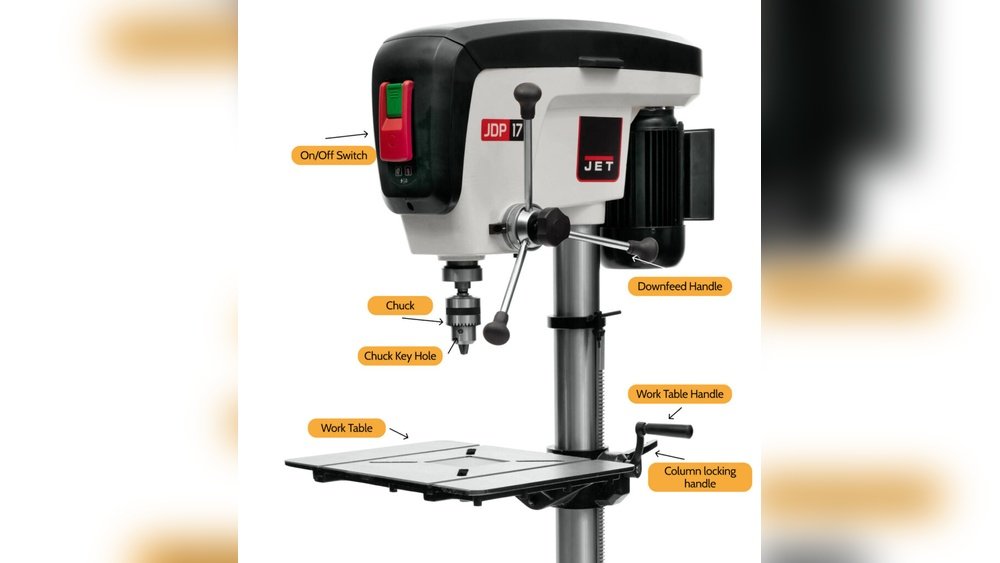
The drill press has several key parts that work together to make drilling easy and precise. Knowing these parts helps users operate it safely and effectively. Each component has a specific job in the drilling process.
Understanding these parts also helps in maintaining the drill press and choosing the right accessories. Let’s look at the main components in detail.
Base And Column
The base supports the drill press and keeps it steady. It is usually made of heavy metal to prevent movement during drilling. The column is a vertical pole attached to the base. It holds the table and head firmly in place.
Table And Spindle
The table is where you place the workpiece. It can be adjusted up, down, or rotated to get the right drilling angle. The spindle holds and spins the drill bit. It moves up and down to drill holes at the right depth.
Motor And Belt System
The motor powers the drill press. It turns the belt system that controls the spindle speed. Changing the belt position changes the drilling speed. This helps drill different materials properly and safely.
Chuck And Drill Bits
The chuck holds the drill bit tightly. It can open and close to fit bits of different sizes. Drill bits come in many shapes and sizes for different jobs. Choosing the right bit is important for clean, accurate holes.
How It Works
The drill press is a powerful tool used to make precise holes in various materials. It works by converting electric power into controlled rotary motion. This motion drives the drill bit into the material. Understanding how a drill press works helps users operate it safely and effectively.
Power Transmission
The drill press uses an electric motor to create spinning power. This power moves from the motor to the drill bit through a set of belts and pulleys. The belts can be changed to alter the speed. This system ensures smooth and steady rotation of the drill bit.
Speed Control
Speed control allows the user to adjust how fast the drill bit spins. Changing the belt position on the pulleys changes the speed. Some modern drill presses have electronic speed controls. Different materials require different speeds for best results.
Depth Adjustment
The depth adjustment feature controls how deep the drill bit goes. It stops the drill bit at a set point to avoid drilling too far. This helps make holes with consistent depth. Users can set the depth by turning a knob or moving a stop block.
Feed Mechanism
The feed mechanism moves the drill bit down into the material. It usually works with a handle or lever. The user pushes the handle to feed the drill bit. This mechanism provides control and power for drilling through tough materials.
Setting Up The Drill Press
Setting up the drill press correctly ensures safe and accurate drilling. This process prepares the machine and the workpiece for the task. Proper setup reduces mistakes and improves results. Follow these steps to get started with your drill press.
Securing The Workpiece
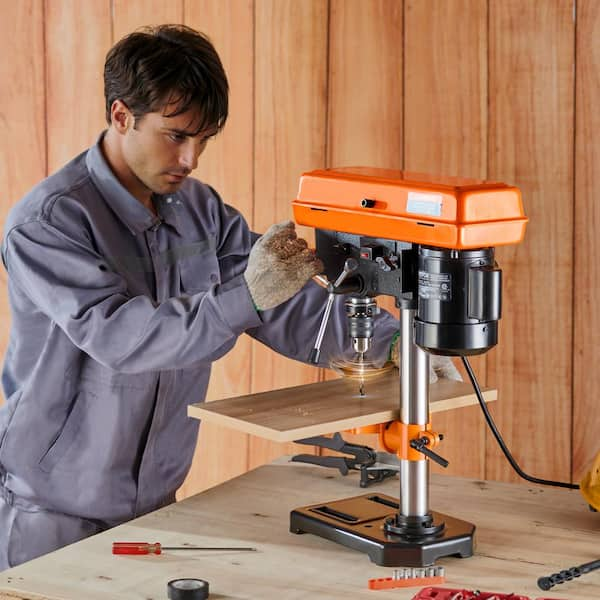
Clamp the workpiece firmly to the table. Avoid holding it by hand to prevent movement. Use a vise or clamps designed for drill press tables. This keeps the workpiece stable during drilling. Stability helps create clean, precise holes.
Choosing The Right Drill Bit
Select a drill bit that matches your material and hole size. Wood, metal, and plastic need different bits. Check the drill bit for damage before use. A sharp bit cuts better and lasts longer. Insert the bit tightly into the chuck and tighten it securely.
Adjusting Speed And Depth
Set the drill press speed based on material type. Slower speeds work well for metal; faster speeds suit wood. Adjust the pulley or use variable speed controls to change RPM. Set the drill depth to avoid drilling too deep. Use the depth stop to control hole depth consistently.
Safety Precautions
Wear safety goggles to protect your eyes from debris. Keep long hair tied back and avoid loose clothing. Check that all guards and safety features are in place. Turn off the drill press before making adjustments. Always stay focused and never leave the machine running unattended.
Credit: www.homedepot.com
Operating Techniques
Understanding the operating techniques of a drill press is key to using it safely and effectively. This section guides you through basic steps and tips. Follow these to get precise holes and protect your tools.
Starting The Drill Press
First, check that the drill bit is tight and secure. Set the correct speed for your material. Turn the machine on using the switch. Let the drill reach full speed before you begin drilling. This prevents bit damage and ensures clean cuts.
Proper Drilling Angles
Keep the drill bit perpendicular to the work surface for straight holes. Use the table’s angle adjustment if needed. Angled holes require steady hands and careful setup. Always double-check angles to avoid mistakes.
Applying Consistent Pressure
Push the drill press handle slowly and evenly. Avoid forcing the bit into the material. Too much pressure can break the bit or ruin the workpiece. Smooth, steady pressure creates cleaner holes and extends tool life.
Handling Different Materials
Soft materials like wood need less speed and pressure. Hard materials like metal require slower speed and more cooling. Use cutting oil for metals to reduce heat. Always adjust settings and pressure based on material type for best results.
Maintenance Tips
Maintaining your drill press ensures it works smoothly and lasts longer. Regular care prevents breakdowns and keeps it safe to use. Simple steps can make a big difference in performance.
Cleaning And Lubrication
Keep the drill press clean by wiping dust and debris from all parts. Use a soft cloth or brush for hard-to-reach areas. Apply lubricant to moving parts like the spindle and gears. This reduces friction and wear. Avoid over-lubricating, which can attract more dirt.
Checking Belts And Pulleys
Inspect belts for cracks, frays, or stiffness. Replace any damaged belts immediately. Check pulleys for alignment and wear. Proper belt tension ensures smooth operation. Loose belts can slip, causing poor drilling results.
Replacing Worn Parts
Regularly examine parts like bearings, chuck, and handles. Replace worn or damaged parts to avoid accidents. Use manufacturer-approved replacements for best fit and safety. Timely replacement keeps your drill press running well.
Storing The Drill Press
Store the drill press in a dry, dust-free area. Cover it with a cloth or plastic sheet to protect from dirt. Avoid damp places to prevent rust. Proper storage helps maintain tool condition and readiness for use.
Credit: www.homedepot.com
Common Mistakes To Avoid
Using a drill press can be safe and effective. Avoiding common mistakes helps protect you and your work. These errors can cause damage or injury. Learn what to watch for and stay safe.
Incorrect Speed Settings
Choosing the wrong speed can ruin your project. Too fast can overheat the drill bit. Too slow may cause rough holes or bit damage. Check the material and bit type. Adjust the speed accordingly before starting.
Loose Workpieces
Never drill without securing your workpiece. Loose pieces can spin or fly out. Use clamps or a vise to hold items firmly. This keeps your hands safe and improves accuracy.
Ignoring Safety Gear
Skipping safety gear is dangerous. Always wear safety glasses to protect your eyes. Use ear protection if the noise is loud. Avoid loose clothing and tie back long hair.
Overloading The Machine
Forcing the drill press causes damage. Applying too much pressure can break bits and strain the motor. Let the drill do the work. Use steady, gentle pressure for best results.
Advanced Uses
The drill press is more than just a tool for drilling holes. It offers many advanced functions that improve precision and efficiency. These functions help with complex tasks in workshops and manufacturing. Understanding these uses can increase your skills and work quality.
Tapping And Reaming
Tapping creates threads inside a drilled hole. It allows screws or bolts to fit securely. A tapping tool fits into the drill press and turns slowly. The drill press keeps the tool straight for clean threads.
Reaming makes holes smooth and exact in size. It removes small amounts of material after drilling. This process improves fit and finish. The drill press holds the reamer steady to avoid wobbling.
Counterboring And Countersinking
Counterboring makes a flat-bottomed hole larger at the top. It hides bolt heads under the surface. Countersinking creates a conical hole for screws to sit flush. Both need special drill bits and careful control.
The drill press gives steady speed and pressure. This precision helps form clean and accurate shapes. It ensures the bolt or screw fits perfectly and looks neat.
Using Jigs And Fixtures
Jigs and fixtures hold workpieces in place. They guide the drill bit to exact spots. This reduces mistakes and saves time. The drill press works well with these tools for repeated tasks.
They improve safety by keeping hands away from the drill. They also keep the workpiece stable. This leads to better accuracy and consistent results.
Customizing For Specialized Tasks
Custom setups let the drill press perform unique jobs. You can add special clamps, stops, or guides. These help with angled drilling or unusual shapes. Adjusting speed and feed also suits different materials.
Customizing makes the drill press more versatile. It adapts to specific projects and materials. This flexibility saves money by reducing the need for other tools.

Credit: bucktool.com
Frequently Asked Questions
What Is A Drill Press Used For?
A drill press is used for precise drilling tasks. It ensures accurate hole placement and depth control. It is ideal for woodworking, metalworking, and other detailed projects.
How Does A Drill Press Operate?
A drill press operates by rotating a drill bit at adjustable speeds. The user lowers the bit using a lever to drill holes. It provides stability and precision compared to handheld drills.
What Safety Tips Should I Follow Using A Drill Press?
Always wear safety goggles and secure loose clothing. Clamp the workpiece firmly to avoid movement. Keep hands clear of the drill bit during operation. Turn off the machine before adjustments.
How Do I Choose The Right Drill Bit For A Drill Press?
Select drill bits based on material type and hole size. Use high-speed steel bits for wood and metals. Carbide bits are best for harder materials. Always match the bit shank to the chuck size.
Conclusion
The drill press is a useful tool for many projects. It helps make holes with speed and accuracy. Knowing how it works keeps you safe and effective. Always follow the steps to operate it properly. Practice using the drill press to build your confidence.
Soon, you will handle it with ease and care. Keep safety in mind and enjoy your work. The drill press can make your tasks easier every day.
