

Are you confused about whether an impact drill and a hammer drill are the same tool? You’re not alone.
Many people mix them up because they look similar and both help with drilling tasks. But using the wrong one can slow you down or even damage your project. You’ll discover the key differences that matter, so you can choose the right drill for your job and get the best results every time.
Keep reading—your next project will thank you.

Credit: www.youtube.com
Impact Drill Basics
An impact drill is a handy tool for many DIY projects. It looks like a regular drill but works differently. Knowing its basics helps you choose the right drill for your work.
This drill uses quick bursts of force to drive screws and bolts. It is powerful yet easy to control. Learning how it works and where to use it makes your tasks easier.
How It Works
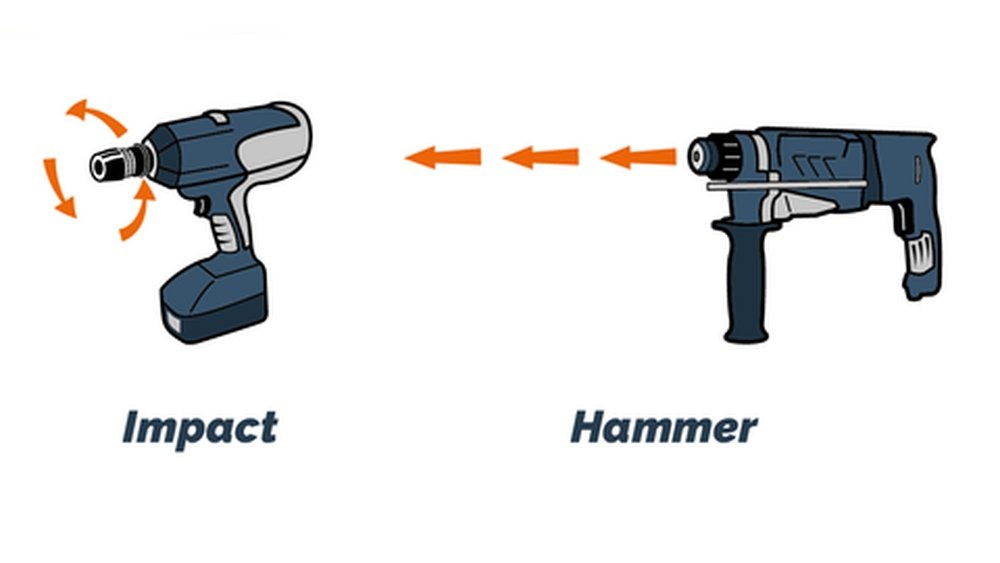
An impact drill combines rotation with strong impacts. It spins the bit like a normal drill. Then, it adds short, fast hammering motions. This action pushes screws into tough materials faster. It reduces the chance of slipping or stripping screws. The tool uses a special mechanism inside to create these hits. This makes driving screws less tiring for your hand.
Common Uses
Impact drills are great for driving screws and bolts. They work well on wood, metal, and plastic. Builders use them for framing, decking, and furniture. They also fit tight spaces where other drills struggle. The strong hits help with hard screws that won’t go in easily. Many people use impact drills for home repairs and car work. They are not ideal for making holes in concrete or brick.
Hammer Drill Features
A hammer drill is a power tool designed for drilling into hard materials. It combines rotary drilling with a hammering action. This makes it easier to break through tough surfaces like concrete and brick.
Hammer drills have unique features that set them apart from regular drills. Understanding these features helps you choose the right tool for your project.
Mechanism Explained
The hammer drill uses two motions. The first is the regular spinning motion of the drill bit. The second is a rapid hammering action that moves the bit back and forth.
This hammering action creates quick bursts of force. It helps chip away at hard materials while the bit spins. This action reduces the effort needed to drill into tough surfaces.
Typical Applications
Hammer drills work best on hard materials like concrete, brick, and stone. They are perfect for installing anchors, screws, and bolts in masonry.
These drills also work on wood and metal but are less efficient there. For soft materials, a regular drill is usually better. Hammer drills are common in construction and home renovation projects.
Power And Performance
Power and performance define how well impact drills and hammer drills work. Both tools serve different tasks, so their power features vary. Understanding these differences helps in choosing the right drill for your project.
Torque Comparison
Torque measures the twisting force a drill can produce. Hammer drills usually have higher torque than impact drills. This extra torque helps drill into hard materials like concrete. Impact drills focus more on quick bursts of force, good for tightening screws. High torque means better control on tough jobs.
Speed And Impact Rate
Speed refers to how fast the drill spins. Impact drills spin faster than hammer drills. Higher speed makes impact drills ideal for driving screws quickly. Impact rate means how many times the drill hits per minute. Hammer drills have a higher impact rate to break through hard surfaces. Fast hits help drill into brick or stone without too much effort.
Design And Build Differences
The design and build of impact drills and hammer drills show clear differences. These differences affect how each tool performs specific tasks. Understanding these details helps choose the right drill for the job.
Weight And Size
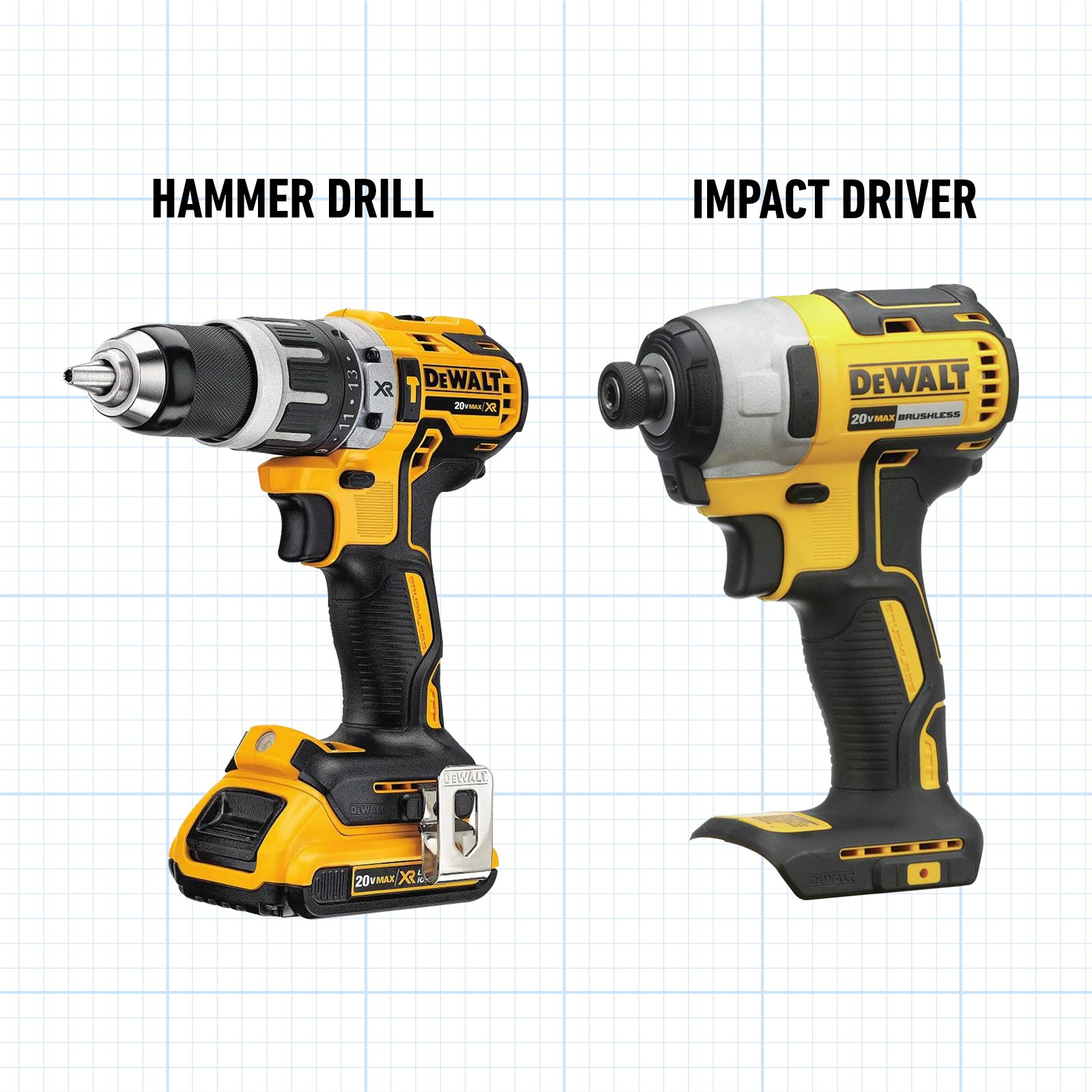
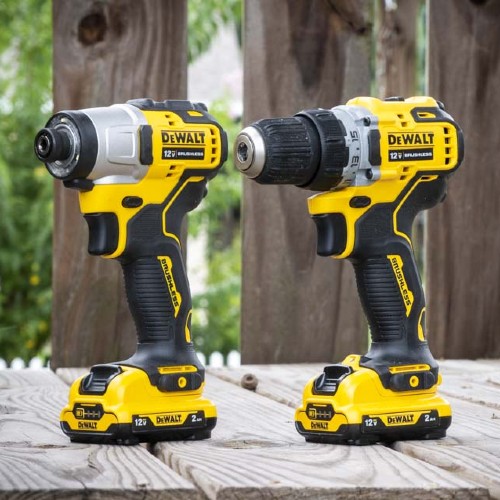
Impact drills tend to be smaller and lighter. This makes them easier to handle for long periods. Hammer drills are usually bigger and heavier. They have extra parts for the hammering action. This added weight helps with drilling into hard materials like concrete.
Chuck Types
Impact drills often use a quick-change chuck. This allows fast swapping of drill bits without tools. Hammer drills use a keyed or SDS chuck. These chucks hold bits more securely for tough jobs. The chuck type affects the drill’s stability and bit compatibility.
Material Suitability
Choosing the right drill depends on the material you plan to work with. Impact drills and hammer drills serve different purposes based on the material’s hardness and texture. Understanding which drill suits which material saves time and effort.
Best For Wood And Metal
Impact drills work best with wood and metal. They deliver strong rotational force without extra vibrations. This makes drilling smooth holes in wood and metal easy. The impact action helps drive screws quickly into these materials. Impact drills offer good control and precision for these tasks.
Best For Masonry
Hammer drills are designed for masonry work. They combine rotation with a hammering motion that breaks through tough surfaces like brick, concrete, and stone. This hammer action helps the drill bit chip away at hard materials. Using a hammer drill on masonry saves effort and prevents damage to the drill bit.
When To Choose Which Drill
Choosing the right drill can make your work easier and faster. Impact drills and hammer drills serve different purposes. Knowing when to use each helps avoid damage and saves time. Below are key points to consider before picking your drill.
Project Scenarios
Use an impact drill for driving screws and bolts. It works well on wood, metal, and plastic. It gives extra torque without much vibration. Perfect for assembling furniture or fixing cabinets.
Hammer drills are best for drilling into hard surfaces. Concrete, brick, or stone require this drill’s hammering action. It breaks the material as it drills. Ideal for mounting shelves on walls or installing anchors.
Cost Considerations
Impact drills usually cost less than hammer drills. They have simpler mechanisms and fewer parts. Choose an impact drill if your tasks are mostly light or medium duty.
Hammer drills are pricier but more powerful. They last longer under heavy use. Good for frequent work on tough materials. Consider your budget and how often you will use the drill.
Maintenance And Durability
Maintenance and durability are key factors for impact drills and hammer drills. Both tools work hard and need care to last long. Proper upkeep keeps them running smoothly. It also prevents costly repairs.
Durability depends on build quality and use frequency. Regular checks help spot problems early. Clean tools perform better and stay reliable. Knowing how to care for each drill type extends its life.
Lifespan Expectations
Impact drills often last between 5 to 10 years. Hammer drills may have a similar lifespan. Heavy use can shorten their life. Using the right tool for the job reduces wear. Avoid forcing drills beyond their limits to keep them healthy.
Care Tips
Keep drills clean by wiping dust and debris. Store them in a dry place to avoid rust. Check cords and batteries for damage regularly. Lubricate moving parts as the manual suggests. Let drills cool down after long use to prevent overheating.
Credit: www.familyhandyman.com
Credit: www.nu-tech.us
Frequently Asked Questions
What Is The Main Difference Between Impact And Hammer Drills?
Impact drills use rotational force and concussive impacts, ideal for driving screws. Hammer drills add a hammering motion, perfect for drilling into masonry and concrete.
Can I Use A Hammer Drill Like An Impact Drill?
No, hammer drills are designed for drilling, not for driving screws. Using a hammer drill for screw driving may damage the screws or tool.
Which Drill Is Better For Masonry Work?
A hammer drill is better for masonry because it delivers a hammering action that breaks through hard materials like brick and concrete efficiently.
Are Impact Drills Suitable For Metal And Wood?
Yes, impact drills work well on metal and wood as they provide strong rotational torque for driving screws and drilling holes in these materials.
Conclusion
Impact drills and hammer drills serve different purposes. Impact drills are best for driving screws and light drilling. Hammer drills work well on hard surfaces like concrete. Choosing the right tool saves time and effort. Both tools have unique features to fit your needs.
Understanding these differences helps you work smarter. Now you know which drill suits your project. Pick the right one and get the job done easily.
