

Have you ever wondered what makes an electric hammer drill so powerful and efficient? Whether you’re a DIY enthusiast or a professional, understanding how this tool works can make a big difference in your projects.
Imagine drilling through tough concrete or brick with ease—sounds great, right? You’ll discover the simple yet clever mechanics behind an electric hammer drill. By the end, you’ll know exactly how to get the most out of your tool and tackle even the hardest jobs with confidence.
Keep reading to unlock the secrets of this must-have power tool!
Credit: www.tigerhawktech.com
Basic Components
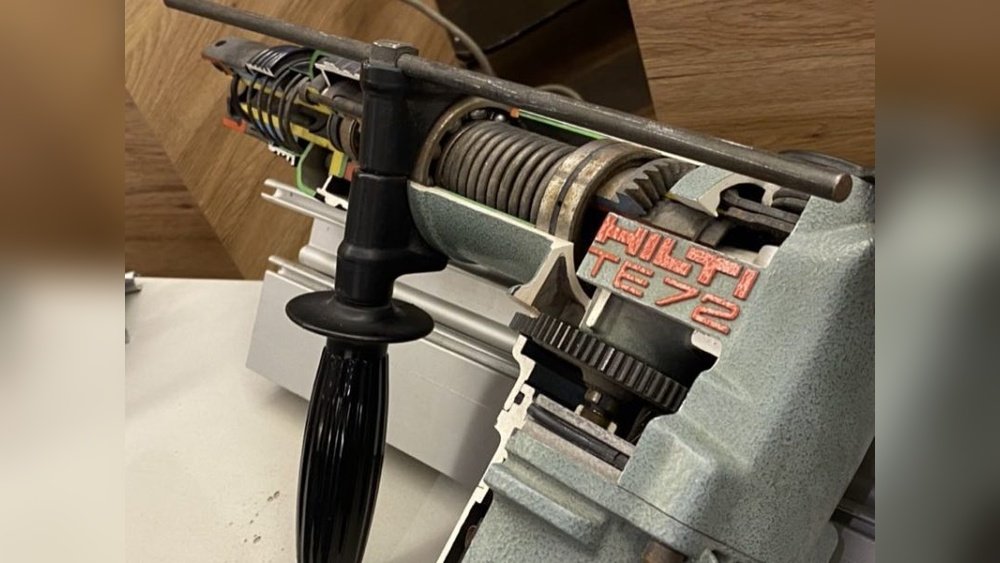
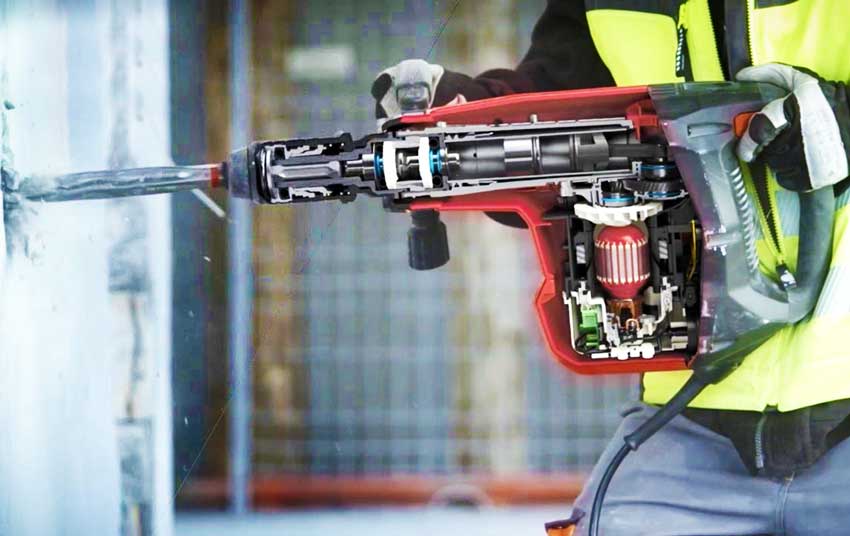
An electric hammer drill has several key parts. Each part works together to make drilling easier and faster. Understanding these basic components helps you see how the tool works. Here are the main parts inside an electric hammer drill.
Motor
The motor is the heart of the drill. It changes electrical energy into mechanical power. This power spins the drill bit and drives the hammer action. A strong motor means the drill can handle tough materials.
Chuck
The chuck holds the drill bit tightly. It can open and close to fit different bit sizes. A secure chuck keeps the bit steady during drilling. This helps make clean, accurate holes.
Hammer Mechanism
The hammer mechanism creates the pounding motion. It moves the bit back and forth quickly while spinning. This action helps break hard surfaces like concrete. It adds force, making drilling faster and less tiring.
Trigger And Speed Control
The trigger turns the drill on and off. Pressing it controls the speed of the motor. You can drill slowly for precision or faster for quick work. Speed control gives better handling for different tasks.

Credit: www.andersonlumbercompany.com
Drilling And Hammering Action
An electric hammer drill combines two main actions: drilling and hammering. These actions let the tool break hard materials like concrete easily. The drill bit spins while it also moves back and forth rapidly. This combination helps the drill bore holes faster and with less effort. Understanding how these actions work together shows why this tool is so useful.
Rotary Motion
The rotary motion is the basic spinning of the drill bit. This motion cuts through softer materials like wood or metal. The motor inside the drill makes the chuck rotate. The drill bit attached to the chuck turns at high speed. This spinning creates a clean hole in the material.
Impact Mechanism
The impact mechanism creates the hammering action. It pushes the drill bit forward and backward very fast. This pounding action breaks tough materials like stone or brick. Inside the drill, two discs hit each other to make this effect. The fast impacts help the bit penetrate hard surfaces more easily.
Switching Between Modes
Most electric hammer drills have a switch to change modes. One mode uses only rotary motion for regular drilling. The other mode adds the hammering action for tough jobs. Users select the mode based on the material. This makes the drill versatile for different tasks.
Power Sources
Electric hammer drills need power to work. The power source affects how the drill performs and where you can use it. Two main types of power sources exist for these drills. Each has its own benefits and best uses.
Corded Models
Corded hammer drills plug into an electrical outlet. They get constant power without stopping. This makes them ideal for long tasks. These models often deliver more power than cordless ones. The cord limits movement but ensures steady energy. Great for workshops or job sites with power access.
Cordless Models
Cordless hammer drills run on rechargeable batteries. They offer freedom to move anywhere. No cords to get tangled or limit reach. Batteries can run out, needing recharging or swapping. Best for quick jobs or places without power outlets. Lightweight and easy to carry around.
Types Of Hammer Drills
Hammer drills come in different types, each designed for specific tasks. Understanding these types helps choose the right tool for your project. The main types include standard hammer drills, rotary hammers, and combination hammers. Each offers unique features and power levels.
Standard Hammer Drill
The standard hammer drill is a common tool for light to medium tasks. It works by adding a rapid hammering action to the drill bit. This action helps break through materials like brick, wood, and light concrete. It is lightweight and easy to handle. Ideal for home repairs and small projects.
Rotary Hammer
Rotary hammers are more powerful and designed for heavy-duty work. They use a piston mechanism to deliver strong hammering force. This makes drilling into hard materials like concrete and stone much easier. Rotary hammers are larger and heavier but offer better performance for tough jobs.
Combination Hammer
Combination hammers offer both hammering and chiseling functions. They can drill, hammer, and chisel with one tool. This makes them versatile for construction and demolition tasks. Combination hammers are ideal for professionals who need flexibility in one machine.
Applications And Uses
The electric hammer drill is a versatile tool used in many tasks. It combines drilling and hammering actions to handle tough materials. This makes it a favorite for construction and DIY projects. The tool is effective in drilling into hard surfaces that normal drills cannot manage.
Its design allows it to work on different materials. Each use requires specific settings and drill bits. Understanding its applications helps users choose the right tool for the job. The electric hammer drill is practical for concrete, masonry, wood, and metal work.
Concrete Drilling
Concrete is a hard material that needs strong tools for drilling. The hammer drill uses rapid hammering to break concrete while drilling. This speeds up the process compared to regular drills. It creates clean, precise holes for anchors or bolts. Builders and contractors often use it on job sites. It is essential for installing fixtures in concrete walls and floors.
Masonry Work
Masonry includes bricks, stones, and blocks. These materials are tough and require power to drill through. The hammer drill’s impact function helps chip away at masonry surfaces. It makes drilling easier and reduces the effort needed. This tool is useful for fixing pipes, cables, and frames in masonry walls. It also supports renovation and repair tasks on older buildings.
Wood And Metal Drilling
Though designed for hard materials, the hammer drill can work on wood and metal. It allows precise drilling with the right drill bits. For wood, it ensures clean holes without splitting. In metal, it handles thick sheets and rods. It can replace regular drills in many workshops. Users must adjust speed and turn off hammering for these materials.

Credit: www.tigerhawktech.com
Maintenance Tips
Proper maintenance keeps your electric hammer drill working well. It stops problems and extends the tool’s life. Regular care makes your drill safer and more effective. Follow these simple steps for the best results.
Cleaning
Remove dust and debris after each use. Use a soft brush or cloth to clean vents and surfaces. Avoid water or harsh chemicals that can damage parts. Clean the chuck to keep it gripping bits tightly. Clean tools last longer and work better.
Lubrication
Lubricate moving parts to reduce friction and wear. Use the oil recommended by the manufacturer. Apply a small amount on the chuck and gears. Too much oil can attract dirt, so use sparingly. Regular lubrication keeps the drill running smoothly.
Replacing Parts
Check for worn or broken parts often. Replace brushes, switches, or bits when needed. Use parts made for your drill model. Do not use damaged parts; they can cause accidents. Timely replacement keeps your drill safe and efficient.
Safety Precautions
Using an electric hammer drill requires care to avoid injuries. Safety precautions protect you and others nearby. Follow these simple steps to work safely and confidently.
Protective Gear
Wear safety goggles to shield your eyes from flying debris. Use earplugs or earmuffs to protect your hearing from loud noise. Gloves help keep your hands safe from vibration and sharp edges. Wear a dust mask if working in dusty conditions.
Proper Handling
Hold the drill firmly with both hands for control. Keep a steady stance to avoid slipping or losing balance. Do not force the drill; let the tool do the work. Stop if the drill bit jams or sticks. Keep the work area clean and well-lit to see clearly.
Electrical Safety
Check the power cord for cuts or damage before use. Use a grounded outlet and avoid extension cords if possible. Never touch the drill with wet hands or while standing on wet surfaces. Unplug the drill when changing bits or not in use. Use a circuit breaker or fuse to prevent electrical hazards.
Frequently Asked Questions
What Is The Primary Function Of An Electric Hammer Drill?
An electric hammer drill combines rotation with hammering action. It efficiently drills into hard materials like concrete and stone. This dual motion makes tasks faster and easier compared to regular drills.
How Does The Hammer Mechanism In The Drill Operate?
The hammer mechanism uses a piston or cam system. It rapidly moves back and forth, striking the drill bit against the surface. This action breaks hard materials while the bit rotates to create holes.
Can An Electric Hammer Drill Be Used On Wood Or Metal?
Yes, it can. However, hammer mode is unnecessary for wood or metal. Simply switch to regular drill mode to avoid damage and achieve clean holes in softer materials.
What Power Sources Do Electric Hammer Drills Use?
Electric hammer drills are powered by either corded electricity or rechargeable batteries. Corded models offer consistent power, while battery-powered drills provide portability and ease of use on job sites.
Conclusion
An electric hammer drill mixes rotation with strong hammering action. This helps drill into hard materials like concrete or brick. The motor spins the drill bit while the hammer pushes it forward quickly. This makes tough jobs easier and faster.
Knowing how it works helps you choose the right tool. Use it safely and maintain it well for best results. This tool saves time and effort on heavy-duty tasks. Simple, powerful, and efficient.
