


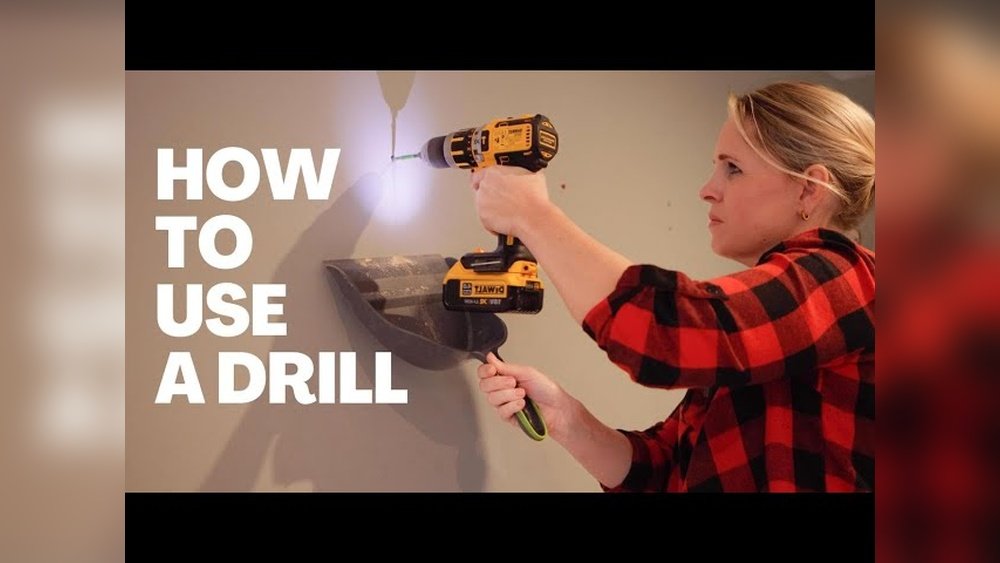
Are you staring at a cordless drill, wondering how to use it without making a mess or breaking something? You’re not alone.
Many people feel confused or even a little intimidated by power tools. But here’s the good news: using a cordless drill is easier than you think. In this guide, you’ll learn simple, step-by-step tips that anyone can follow. By the end, you’ll feel confident and ready to tackle your projects like a pro.
Keep reading, and discover how to turn your cordless drill into your new best friend.
Credit: www.thegoodlifecentre.co.uk
Choosing The Right Cordless Drill
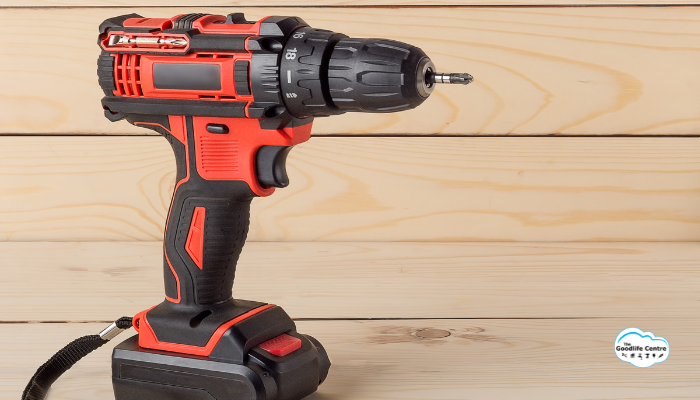
Choosing the right cordless drill is key to finishing your projects easily. A good drill saves time and effort. It fits your needs and helps you work better. Many options exist, so knowing what to pick is important. Focus on the drill type, battery power, and features. These points help find the perfect drill for your tasks.
Types Of Cordless Drills
Drills come in many types. The most common are drill drivers and hammer drills. Drill drivers work well for wood, metal, and plastic. Hammer drills add a pounding action for hard materials like concrete. Choose a drill type based on the work you plan. For home projects, a drill driver often works fine.
Battery Options And Power
Battery power affects drill performance. Lithium-ion batteries last longer and recharge fast. Older NiCad batteries weigh more and hold less charge. Higher voltage means more power but shorter run time. For basic tasks, 12V or 18V batteries work well. Bigger jobs might need stronger batteries for more torque.
Essential Features To Look For
Look for adjustable speed settings to control drilling speed. A keyless chuck makes changing bits easy. Built-in LED lights help in dark spaces. A comfortable grip reduces hand fatigue during work. Some drills have clutch settings to prevent stripping screws. These features improve your drilling experience.
Getting Started With Your Drill
Starting with a cordless drill is easier than many think. This tool helps with many home projects and repairs. Before you begin, learning a few basics is important. Knowing how to prepare your drill ensures safe and smooth work. Follow these simple steps to get ready and confident.
Charging And Maintaining The Battery
First, charge the drill battery fully before use. Most batteries take a few hours to charge. Use the charger that comes with your drill for best results. Avoid overcharging to protect battery life. Store batteries in a cool, dry place. Clean battery contacts with a dry cloth to keep good connection. Replace the battery if it no longer holds a charge well.
Installing And Changing Drill Bits
Choose the right drill bit for your task. Hold the drill firmly before changing bits. Open the chuck by turning it counterclockwise. Insert the drill bit straight into the chuck. Tighten the chuck by turning it clockwise until the bit is secure. Check the bit is tight by pulling gently. Replace bits that are bent or dull for better results.
Safety Gear And Precautions
Wear safety glasses to protect your eyes from dust. Use gloves to avoid blisters and improve grip. Keep loose clothing and hair away from the drill. Work in a well-lit area to see clearly. Hold the drill with both hands for control. Do not force the drill; let the tool do the work. Always unplug or remove the battery before changing bits.
Basic Drilling Techniques
Basic drilling techniques help you use a cordless drill safely and effectively. Knowing the right way to hold the drill and control it makes your work easier. This section covers simple tips for a proper grip, drilling into different materials, and controlling speed and pressure.
Proper Grip And Body Position
Hold the drill with both hands for better control. Use your dominant hand on the trigger and the other hand to steady the front. Keep your body close to the drill to avoid strain. Stand with feet shoulder-width apart. This stance helps you balance and apply steady pressure.
Drilling Into Different Materials
Each material needs a different drilling approach. For wood, use a sharp bit and steady speed. For metal, use a slower speed and apply oil for cooling. For drywall, drill gently to avoid cracks. Choose the right drill bit for the material to get clean holes.
Controlling Speed And Pressure
Start drilling at a low speed to make a guide hole. Increase speed as the bit goes deeper. Apply steady, even pressure. Pressing too hard can damage the bit or material. Let the drill do the work without forcing it. Slow down if you feel resistance.
Using Additional Drill Functions
Using additional drill functions helps you do more with your cordless drill. These functions make drilling easier and let you handle different jobs. Learning these features saves time and effort. It also protects your drill and the materials you work on.
Hammer Mode For Tough Surfaces
Hammer mode is for drilling into hard materials. It adds a rapid tapping action while the drill spins. This helps break up concrete, brick, or stone. Use hammer mode only on tough surfaces. It makes drilling faster and more effective.
Reverse And Screwdriving
The reverse function spins the drill backward. This helps remove screws or drill bits stuck in materials. Screwdriving mode controls the speed and power for driving screws. It prevents screws from stripping or breaking. Use this to fix or build furniture and other projects.
Adjusting Torque Settings
Torque controls the drill’s turning force. Adjusting torque helps avoid overdriving screws or damaging materials. Lower torque is good for soft wood or delicate tasks. Higher torque works for harder materials and bigger screws. Set the torque based on your project needs.
Common Mistakes To Avoid
Using a cordless drill can seem easy at first. Mistakes happen often, especially for beginners. Avoiding common errors helps you work safer and better. Knowing what to watch out for saves time and tools.
Overheating The Drill
Running the drill too long causes it to get very hot. Heat can damage the motor and battery. Give the drill breaks to cool down during work. Use lower speed for tough materials to reduce heat.
Using Wrong Drill Bits
Different jobs need different drill bits. Using the wrong bit can ruin your work or break the bit. Match the bit type to the material. Check the size to fit screws or holes correctly.
Ignoring Safety Measures
Skipping safety rules risks injury. Always wear safety glasses to protect eyes. Keep hair and loose clothes away from the drill. Hold the drill firmly and work on a stable surface.
:max_bytes(150000):strip_icc()/SPR-how-to-use-a-power-drill-1825112-step1-484d134b701b455d84ac625ed8625816.jpg)
Credit: www.thespruce.com
Maintenance And Storage Tips
Taking care of your cordless drill helps it work better and last longer. Regular maintenance and smart storage keep your drill ready for any job. This section shows easy steps to clean, care for the battery, and store your drill properly.
Cleaning Your Drill
Dust and dirt can clog your drill. Use a dry cloth to wipe the outside after each use. For stubborn dirt, a soft brush helps clean vents and crevices. Avoid water or harsh cleaners that can damage the drill parts.
Battery Care For Longevity
Charge the battery fully before the first use. Do not leave the battery empty for long periods. Store batteries in a cool, dry place. Avoid charging the battery overnight or for too long. Remove the battery from the drill if not used for weeks.
Proper Storage Practices
Store your drill in a case or toolbox to protect it. Keep it away from moisture and extreme temperatures. Avoid placing heavy items on top of the drill. Organize your tools to prevent damage and make the drill easy to find.
Troubleshooting Basic Issues
Troubleshooting basic issues with a cordless drill can save time and frustration. Most problems are easy to fix with simple checks. Understanding common issues helps keep your drill working well. Below are common problems and how to solve them quickly.
Drill Not Starting
Check if the battery is fully charged. Ensure the battery is properly attached to the drill. Look for a locked trigger switch; release it if locked. Inspect the drill for any visible damage. Try pressing the trigger firmly and steadily. If still not starting, the motor or wiring may need repair.
Reduced Power Or Speed
Clean the drill’s vents and motor area from dust. Dirt can cause overheating and slow down the drill. Check if the drill bit is stuck or dull. Replace dull bits to improve performance. Test the drill on different materials to confirm power issues. Reduced speed often signals battery or motor problems.
Battery Problems
Make sure the battery charger works correctly. Use the charger that fits your drill model. Remove the battery and inspect for damage or corrosion. Store batteries in a cool, dry place to extend life. If the battery drains quickly, it may need replacement. Avoid overcharging to keep battery health strong.

Credit: www.youtube.com
Frequently Asked Questions
What Is A Cordless Drill Used For?
A cordless drill is a versatile tool for drilling holes and driving screws. It works without a power cord, using a rechargeable battery. This makes it portable and convenient for indoor and outdoor projects. It’s ideal for DIY tasks and professional use.
How Do I Choose The Right Cordless Drill?
Choose a cordless drill based on battery type, voltage, and chuck size. Consider your project needs, like drilling depth and material. Lithium-ion batteries offer longer life and lighter weight. A 12-18 volt drill suits most home projects.
How Do I Maintain A Cordless Drill?
Regularly clean the drill and check the battery charge. Store it in a dry, cool place to avoid damage. Lubricate moving parts occasionally. Follow manufacturer instructions for best care. Proper maintenance extends the drill’s lifespan and performance.
What Safety Tips Should I Follow When Using A Cordless Drill?
Always wear safety goggles and gloves while drilling. Keep hair and loose clothing away from the drill. Use the correct drill bit for the material. Hold the drill firmly and apply steady pressure. Work in a well-lit, clutter-free area for safety.
Conclusion
Using a cordless drill is easier than it seems. Start slow, hold the drill steady. Choose the right drill bit for your job. Keep the battery charged for best results. Practice makes your hands steady and confident. Safety is key—always wear goggles and work gloves.
With simple steps, you can complete many projects. A cordless drill saves time and effort. Try small tasks first to build skills. Soon, you will feel comfortable using it daily. Keep learning, and enjoy your DIY work!
