


Are you ready to tackle your woodworking project but unsure how to drill a perfect 3/4 inch hole in wood? You might think it’s tricky or that you need special tools, but it’s simpler than you imagine.
With the right tips and a clear step-by-step approach, you can achieve clean, precise holes every time. Keep reading, and you’ll gain the confidence and know-how to get the job done quickly and accurately. Your next project just got a whole lot easier!

Credit: www.nutco.es
Choosing The Right Drill And Bit
Choosing the right drill and bit is key to making a clean 3/4 inch hole in wood. The drill must be strong enough and easy to control. The bit must match the size and type of hole you want. Using the right tools helps avoid mistakes and saves time.
Selecting A Drill Type
Pick a drill with good power and speed control. Cordless drills offer easy handling and mobility. Corded drills give steady power for hard wood. A drill with adjustable speed helps prevent wood from splitting. Look for a drill with a comfortable grip to reduce hand fatigue.
Picking The Correct Drill Bit
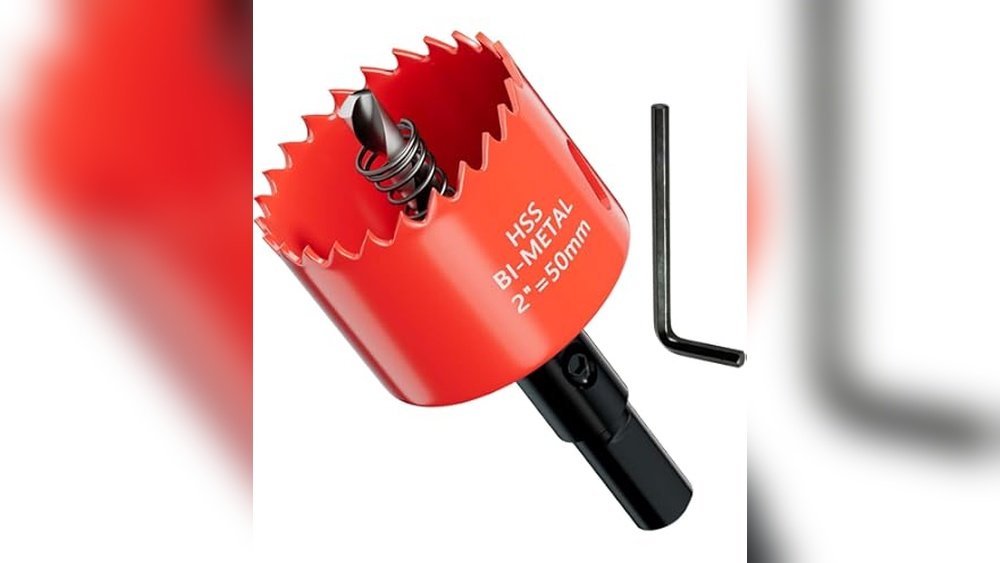
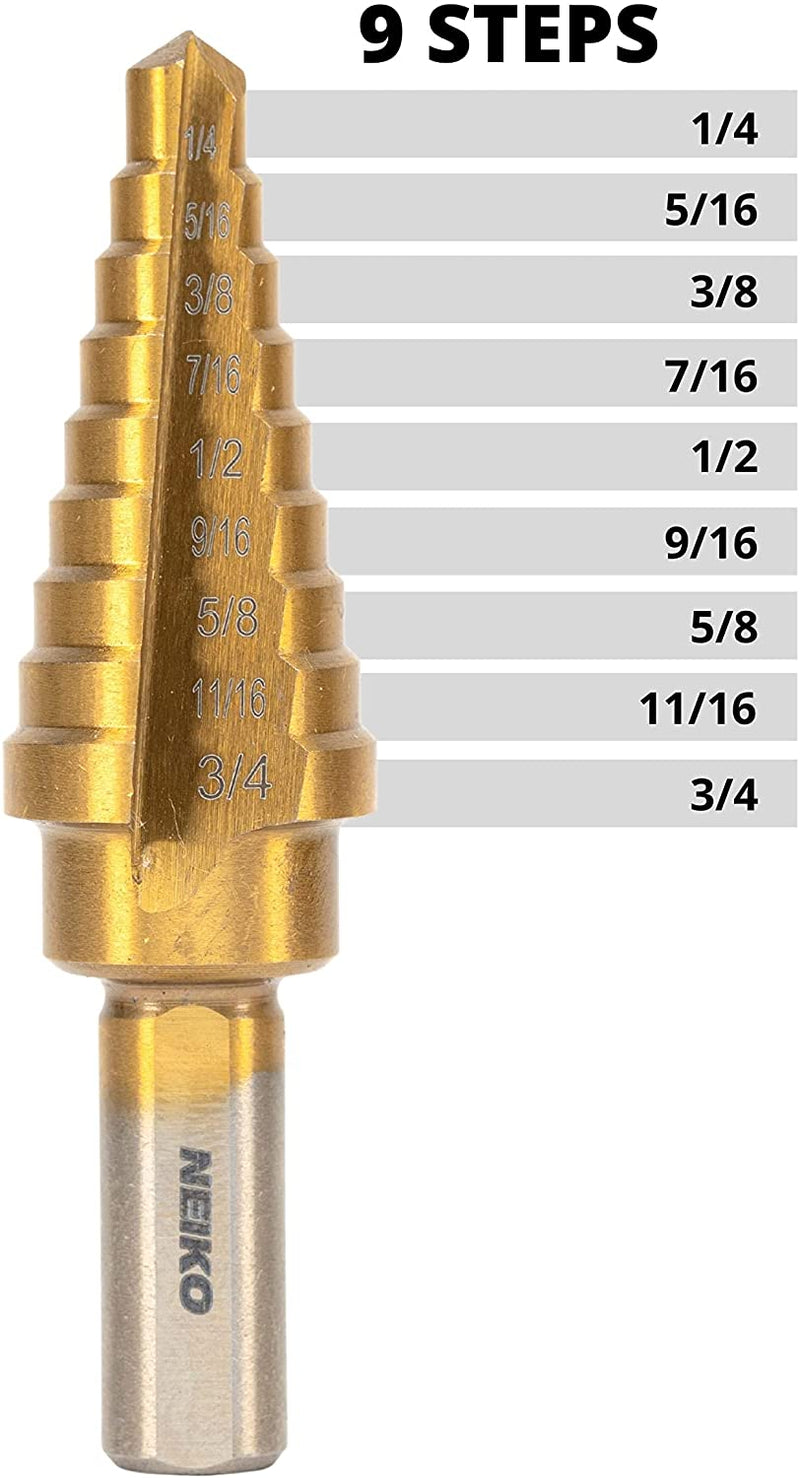
Choose a bit designed for wood drilling. Spade bits and Forstner bits work well for 3/4 inch holes. Spade bits are fast but can leave rough edges. Forstner bits create clean, flat-bottomed holes. Make sure the bit diameter matches 3/4 inch exactly for a perfect fit.
Preparing The Drill Bit
Check the bit for sharpness before use. A dull bit can tear the wood and cause burning. Clean the bit to remove dust or rust. Secure the bit firmly in the drill chuck. Tighten the chuck to avoid wobbling during drilling.
Credit: neikotools.com
Preparing The Wood Surface
Preparing the wood surface is the first step to drilling a clean and precise 3/4 inch hole. A smooth and stable surface helps avoid mistakes and damage to the wood. Proper preparation also makes the drilling process easier and safer. Follow these simple steps to get ready before you start drilling.
Marking The Hole Location
Use a pencil to mark the exact spot where the hole will be drilled. Measure carefully with a ruler or tape measure. Double-check the position to avoid errors. A clear mark guides the drill bit and keeps the hole precise.
Securing The Wood Piece
Clamp the wood firmly to a workbench or table. This prevents the wood from moving during drilling. Holding the wood steady ensures a straight hole and reduces the risk of injury. Use strong clamps or a vise for best results.
Preventing Wood Splintering
Place a piece of scrap wood under the drilling spot. This supports the wood fibers and reduces splintering. Drill slowly at first to avoid tearing the wood surface. Use painter’s tape over the hole mark to keep edges neat.
Drilling The 3/4 Inch Hole
Drilling a 3/4 inch hole in wood requires focus and the right technique. This step-by-step guide helps you make a clean, accurate hole. Follow each stage carefully to avoid mistakes and damage. Safety and precision are key.
Setting The Drill Speed
Choose a low to medium speed on your drill. High speeds can burn the wood or break the bit. Start slow to keep control. Adjust speed based on the wood’s hardness. Softer wood allows faster speeds, harder wood needs slower drilling.
Starting The Hole
Mark the spot clearly with a pencil or awl. Place the drill bit tip exactly on the mark. Hold the drill steady and perpendicular to the wood surface. Begin drilling with gentle pressure. Let the bit bite into the wood gradually.
Maintaining Drill Stability
Keep the drill steady and straight throughout the process. Use both hands for better control. Avoid pushing too hard; let the drill do the work. Keep the drill perpendicular to prevent angled holes. Stability ensures a clean, round hole.
Completing The Hole
Drill slowly as you near the end of the hole. Reduce speed to avoid splintering the exit side. Stop once the bit passes through the wood completely. Pull the drill out carefully while it is still spinning. Clean the hole edges with sandpaper if needed.
Finishing Touches
Finishing touches are key to a clean and professional hole in wood. After drilling, these steps ensure the hole looks neat and works well. Taking time here improves your project’s overall quality and safety.
Cleaning The Hole Edges
Wood edges around the hole often have rough bits or splinters. Use sandpaper or a small file to smooth these edges. Clean edges prevent splinters and help parts fit properly. Wipe away dust with a cloth for a clear view.
Checking Hole Accuracy
Measure the hole diameter with a ruler or caliper. The hole should be exactly 3/4 inch wide. Check the hole’s position and depth too. Accurate holes make your work stronger and easier to assemble.
Safety Tips During Drilling
Wear safety glasses to protect your eyes from wood chips. Keep your hands away from the drill bit. Secure the wood firmly with clamps to stop movement. Use steady pressure and drill at a moderate speed. Always unplug the drill when changing bits.

Credit: monsterbolts.com
Frequently Asked Questions
How Do I Drill A 3/4 Inch Hole In Wood Safely?
Use a sharp 3/4 inch drill bit and secure the wood firmly. Drill slowly to avoid splintering and wear safety goggles to protect your eyes.
What Drill Bit Is Best For A 3/4 Inch Wood Hole?
A spade bit or hole saw is ideal for drilling a 3/4 inch hole in wood. These bits provide clean and precise cuts.
Can I Drill A 3/4 Inch Hole Without A Drill Guide?
Yes, but using a drill guide improves accuracy and reduces wobbling. Clamp the wood to keep it stable during drilling.
How Do I Prevent Wood Splintering When Drilling A Hole?
Place masking tape over the drilling spot and drill slowly. Starting with a smaller pilot hole also helps minimize splintering.
Conclusion
Drilling a 3/4 inch hole in wood is simple with the right tools. Choose the correct drill bit and mark your spot clearly. Keep the drill steady and apply gentle pressure. Go slow to avoid splintering the wood. Clean the hole edges after drilling for a neat finish.
Practice makes perfect, so try on scrap wood first. These tips help you drill holes cleanly and safely every time.
