

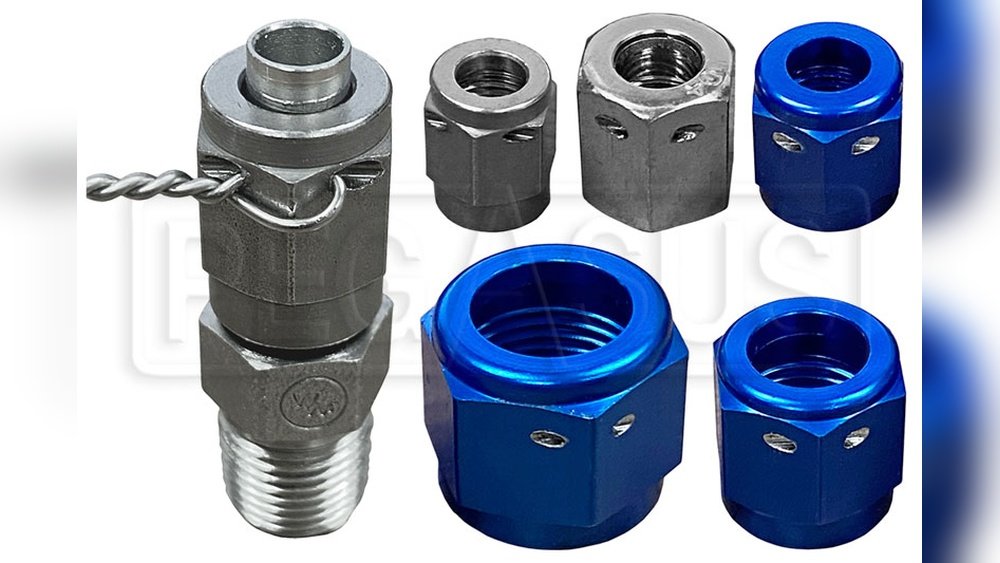
If you work with bolts regularly, you know how important it is to keep them secure. Drilling safety wire holes in bolts is a simple step that can prevent serious problems down the line.
But how do you do it right? You want your bolts to stay strong and reliable, not weakened or damaged. You’ll learn exactly how to drill safety wire holes in bolts safely and effectively. By following these clear, step-by-step tips, you’ll protect your work and avoid costly mistakes.
Keep reading to master this essential skill and ensure your bolts hold tight every time.
Choosing The Right Drill Bit
Choosing the right drill bit is key for drilling safety wire holes in bolts. The drill bit must match the bolt material and size. This ensures clean holes without damaging the bolt. Picking the correct bit also makes drilling easier and safer.
Material And Size Considerations
Select drill bits made for metal drilling. High-speed steel (HSS) bits work well for most bolts. Carbide bits suit harder metals but cost more. Check the bolt diameter before choosing the bit size. The hole should be just large enough for the wire. Too big or too small holes cause problems.
Coating And Durability
Coated drill bits last longer and cut better. Titanium-coated bits reduce friction and heat. Black oxide coating protects bits from rust. Durable bits keep sharp edges for smooth drilling. Use a fresh bit to avoid slipping or breaking.

Credit: www.youtube.com
Preparing The Bolt For Drilling
Preparing the bolt before drilling safety wire holes is crucial. It ensures accuracy and safety during the process. Taking time to clean and secure the bolt sets the foundation for a neat and strong hole.
Proper preparation helps avoid mistakes and damage. It also makes drilling easier and faster.
Cleaning And Marking The Spot
Start by cleaning the bolt thoroughly. Remove dirt, oil, and rust using a wire brush or cloth. A clean surface lets you see the exact drilling spot clearly.
Next, choose the right spot for the hole. Mark it with a permanent marker or a center punch. The mark guides the drill bit and prevents slipping.
Securing The Bolt
Hold the bolt firmly to avoid movement. Use a vise or clamp to secure it on a stable surface. This keeps the bolt steady and protects your hands.
Check that the bolt is positioned so you can drill straight. Stability during drilling ensures a clean, accurate hole.
Drilling Techniques For Safety Wire Holes
Drilling safety wire holes in bolts requires careful techniques. Proper drilling ensures the bolt remains strong and safe to use. Using the right method prevents damage and keeps the hole clean. This section explains key techniques to drill these holes effectively.
Optimal Drill Speed And Pressure
Use a slow to medium drill speed for better control. High speed can overheat and weaken the bolt. Apply steady, light pressure to avoid slipping. Pressing too hard can crack the bolt or damage the drill bit. Let the drill do the work. Pausing to clear metal shavings helps keep the hole clean.
Avoiding Bolt Damage
Start with a small pilot hole before drilling the final size. This guides the drill and reduces stress on the bolt. Secure the bolt firmly in a vise or clamp. Movement during drilling causes uneven holes and weak spots. Use cutting oil to cool the drill bit and bolt. It reduces friction and prevents overheating. Check the hole for sharp edges and remove them with a deburring tool.
Ensuring Hole Accuracy And Alignment
Ensuring hole accuracy and alignment is key when drilling safety wire holes in bolts. Precise holes keep the wire secure and stop the bolt from loosening. Misaligned holes can weaken the bolt or cause wire failure. Taking time to mark and drill carefully improves safety and performance.
Using Guides And Jigs
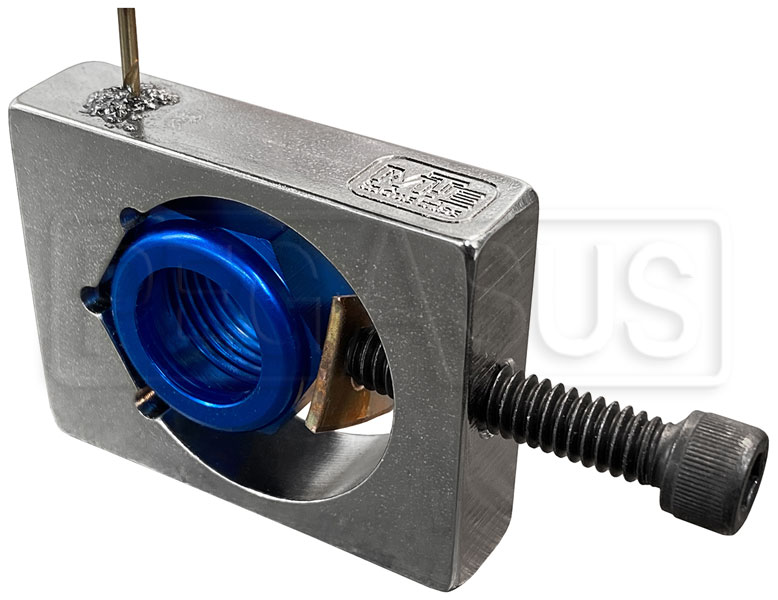
Guides and jigs help drill holes straight and in the right spot. They hold the drill bit steady and prevent slipping. Using a jig reduces errors and saves time. You can buy or make simple jigs for bolt drilling tasks. This tool improves hole consistency across many bolts.
Measuring Hole Position
Measure the hole position before drilling. Use a ruler or caliper to find the exact spot. Mark the hole with a sharp tool or punch. Double-check the mark from different angles. Correct placement ensures the wire passes through cleanly. Careful measuring stops mistakes and keeps the bolt strong.
Finishing Touches After Drilling
After drilling safety wire holes in bolts, the work is not done yet. Finishing touches help ensure the bolt is safe and ready to use. These steps improve the bolt’s strength and prevent damage. Taking time to finish properly makes a big difference in safety and durability.
Deburring And Smoothing Edges
Drilling leaves rough edges around the hole. These edges can cut the wire or weaken the bolt. Use a small file or deburring tool to smooth these edges. Work gently to avoid enlarging the hole. Smooth edges protect the wire and make installation easier. Check the hole carefully to ensure no sharp parts remain.
Cleaning Metal Shavings
Drilling creates tiny metal shavings that can cause problems. These shavings can fall into the threads or other parts. Use a brush or compressed air to remove all metal pieces. Cleaning the hole and bolt keeps the thread clear. This step prevents damage and helps the bolt fit properly. Always wear safety glasses during this cleaning process.

Credit: www.wikihow.com
Safety Precautions During Drilling
Drilling safety wire holes in bolts requires careful attention to safety. Taking the right precautions protects you from injuries and ensures clean, accurate holes. Follow safety steps every time you work with power tools.
Protective Gear Recommendations
Wear safety glasses to protect your eyes from metal shards. Use gloves to shield your hands from sharp edges and hot surfaces. Hearing protection helps reduce noise from drilling machines. A dust mask prevents inhaling metal dust. Dress in close-fitting clothes to avoid getting caught in tools.
Handling Tools Safely
Secure the bolt firmly before drilling to prevent slipping. Use the correct drill bit size for the wire hole. Hold the drill with both hands for better control. Keep your work area clean and free of clutter. Turn off and unplug the drill before changing bits or making adjustments.
Common Mistakes To Avoid
Drilling safety wire holes in bolts requires precision and care. Mistakes can weaken the bolt or cause failure. Avoiding common errors ensures strong and safe installations. Learn what to watch out for to protect your work.
Overdrilling And Misalignment
Drilling too deep can damage the bolt’s strength. Stop drilling once the hole reaches the right size and depth. Misaligned holes cause problems when threading safety wire. Use a guide or jig to keep the drill straight. Check alignment before drilling to avoid errors.
Using Incorrect Tools
Using the wrong drill bit can ruin the bolt. Choose a bit designed for metal and the right diameter. Avoid dull or worn tools that cause rough holes. A sharp, correct tool produces clean holes and saves time. Always inspect tools before starting the job.
Credit: www.pegasusautoracing.com
Maintenance Of Tools And Equipment
Maintaining tools and equipment is key to safe and effective drilling. Well-kept tools work better and last longer. Regular care prevents accidents and saves money. Simple steps can keep your drill bits sharp and your tools ready.
Sharpening Drill Bits
Dull drill bits cause slipping and poor holes. Sharpen bits often to keep them cutting cleanly. Use a bench grinder or a special sharpener. Hold the bit steady and keep the angle correct. Check the tip shape to match the original design. Sharp bits make drilling wire holes easier and safer.
Tool Storage Tips
Store tools in a dry, clean place to stop rust. Use cases or racks to keep drill bits organized. Avoid tossing bits in a drawer; they can get damaged. Label storage containers for quick access. Regularly clean tools after use to remove dust and grease. Proper storage keeps your tools in good shape longer.
Frequently Asked Questions
How Do You Drill Safety Wire Holes In Bolts?
To drill safety wire holes, first mark the bolt’s head accurately. Use a drill press with a small bit. Drill slowly to avoid damaging the bolt. Ensure the hole is centered and clean for proper wire threading.
What Size Drill Bit Is Best For Safety Wire Holes?
Use a drill bit matching the safety wire diameter. Common sizes range from 1/16″ to 1/8″. Select a bit that creates a snug hole. This ensures the wire stays secure without weakening the bolt.
Can Drilling Safety Wire Holes Weaken Bolts?
If done correctly, drilling small holes minimally affects bolt strength. Avoid drilling too close to edges or threads. Use proper tools and techniques to maintain bolt integrity. Regularly inspect bolts for any signs of damage.
Why Is Safety Wiring Bolts Important?
Safety wiring prevents bolts from loosening due to vibration. It ensures critical components stay securely fastened. This technique enhances safety in aviation, automotive, and industrial applications. Properly drilled holes make wiring effective and reliable.
Conclusion
Drilling safety wire holes in bolts requires care and the right tools. Take your time to mark the spot clearly before drilling. Use a drill bit that fits the wire size to avoid damage. Keep the bolt steady to make a clean hole.
This simple step helps secure bolts and prevent loosening. Practicing these tips improves your work quality and safety. Stay patient and focused for the best results every time. Safety wire holes keep bolts tight and your projects safe.
