


Drilling into a concrete wall might sound tough, but with the right steps, you can do it safely and easily. Whether you want to hang shelves, mount a TV, or install fixtures, knowing how to drill into concrete is a skill that saves you time and frustration.
In this guide, you’ll discover simple tips and tools that make the job straightforward—even if you’ve never tried it before. Keep reading, and you’ll gain the confidence to tackle your project without worry.
Tools Needed
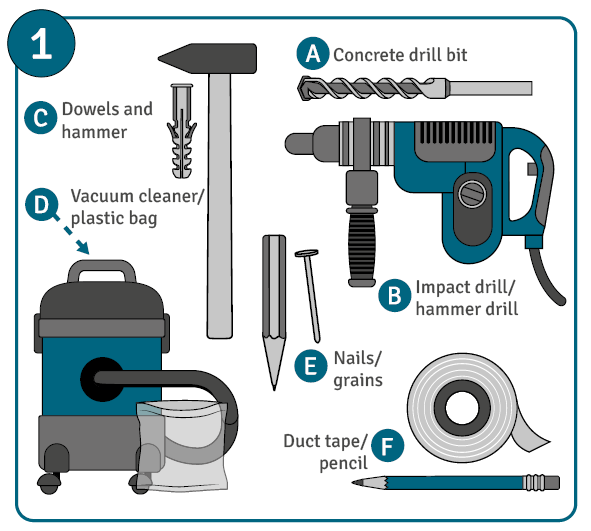
Drilling into a concrete wall requires the right tools for a clean and safe job. Using the proper equipment makes the process easier and protects your wall from damage. Prepare all tools before starting to avoid interruptions.
Choosing The Right Drill
Pick a hammer drill or rotary hammer for concrete. These drills deliver powerful, rapid impacts. Regular drills lack the force needed for hard surfaces. Corded models provide steady power without battery limits. Ensure your drill has variable speed settings for better control.
Selecting Drill Bits
Use carbide-tipped masonry bits made for concrete. These bits stay sharp and drill efficiently. Match the bit size to your anchor or screw. Avoid using old or worn bits to prevent breakage. Keep extra bits handy for longer projects.
Safety Equipment
Wear safety glasses to protect your eyes from dust and debris. Use ear protection to reduce noise from drilling. Gloves shield your hands from sharp edges and vibration. A dust mask helps avoid breathing concrete dust. Secure loose clothing and tie back hair before starting.
Preparing The Surface
Preparing the surface is a key step before drilling into a concrete wall. It helps ensure accuracy and safety. Proper preparation also protects your tools and the wall from damage. Taking time to prepare saves effort later and leads to better results.
Marking Drill Points
Start by deciding where you want the holes. Use a pencil or chalk to mark each drill point clearly. Measure twice to avoid mistakes. Accurate marks guide your drill and keep holes straight. Small marks work best for precision.
Cleaning The Area
Remove dust, dirt, and loose debris around the drill points. Use a brush or cloth to clean the surface well. A clean area helps the drill bit grip the concrete better. It also prevents dust from blocking your view. Clean surfaces make drilling easier and safer.
Drilling Techniques
Drilling into a concrete wall requires the right techniques for a clean and safe hole. Using the correct methods helps protect your tools and makes the job easier. Focus on how to control your drill and apply the right force.
Understanding these drilling techniques will improve your results and save time.
Setting The Drill Speed
Start with a low drill speed to avoid overheating the bit. Slow speeds give better control and reduce dust. Increase speed gradually once the bit has started cutting. High speeds can cause the bit to wear out fast. Match the speed to the drill bit size and wall hardness.
Using Hammer Mode
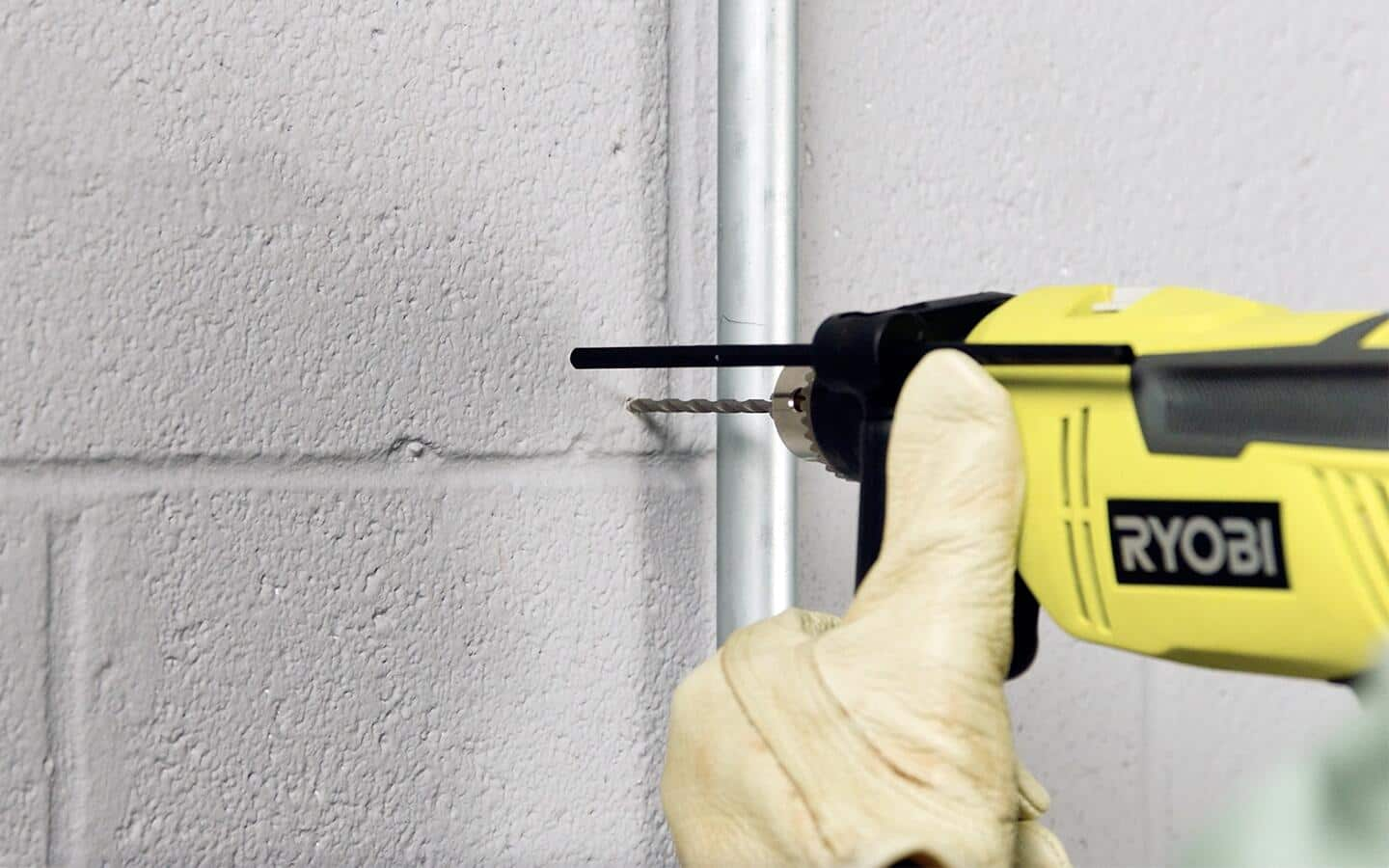
Use hammer mode for concrete walls. It combines rotation with a pounding action. This helps break the concrete faster. Turn off hammer mode for other materials like wood or metal. Always check your drill’s settings before starting.
Applying Consistent Pressure
Push the drill steadily but not too hard. Too much pressure can damage the bit or drill. Too little pressure wastes time and wears the bit. Keep a firm grip and let the drill do the work. Consistent pressure helps keep the hole straight.
Credit: www.homedepot.com
Common Challenges
Drilling into a concrete wall is not easy. You face several challenges that can slow your work or cause mistakes. Knowing these problems helps you prepare better. It also makes the job safer and faster.
Dealing With Reinforcement Bars
Concrete walls often have metal bars inside. These bars make the wall strong. But they can stop your drill bit. When you hit a bar, the drill may stop or slip. This can damage the bit or wall.
Use a hammer drill with a special bit made for metal. Drill slowly and steady. If the drill struggles, change the bit or try a new spot nearby. Never force the drill. This keeps you safe and avoids breaking tools.
Preventing Drill Bit Overheating
Drilling concrete creates a lot of heat. Heat can wear out the drill bit fast. It can also cause the bit to break. To stop this, take breaks often. Let the bit cool down after every few seconds of drilling.
Use water or a cooling spray on the bit. This lowers the temperature and helps the bit last longer. Keep the drill speed steady and do not push too hard. This reduces heat and gives a clean hole.
After Drilling Care
After drilling into a concrete wall, proper care is essential. This step helps keep the hole clean and ready for the next work. It also ensures strong and safe fixing. Taking the time to care for the hole can save effort later.
Cleaning Debris
Remove dust and small pieces from the hole. Use a brush or a vacuum cleaner to clean it well. This helps anchors or screws fit tightly. Clean holes hold better and last longer.
Checking Hole Depth
Measure the hole depth with a ruler or tape. Make sure it matches your anchor or screw length. Too shallow or too deep holes can cause weak holds. Accurate depth keeps fixtures secure and stable.
Inserting Anchors
Push the anchor gently into the hole. Tap it lightly with a hammer if needed. The anchor must fit snugly without gaps. This step ensures your screws stay firm in the wall.
Credit: www.bobvila.com
Tips For Different Concrete Types
Different types of concrete need different drilling approaches. Knowing the surface type helps you pick the right tools and methods. This prevents damage and makes drilling easier. Follow these tips for smooth and rough concrete surfaces.
Drilling In Smooth Concrete
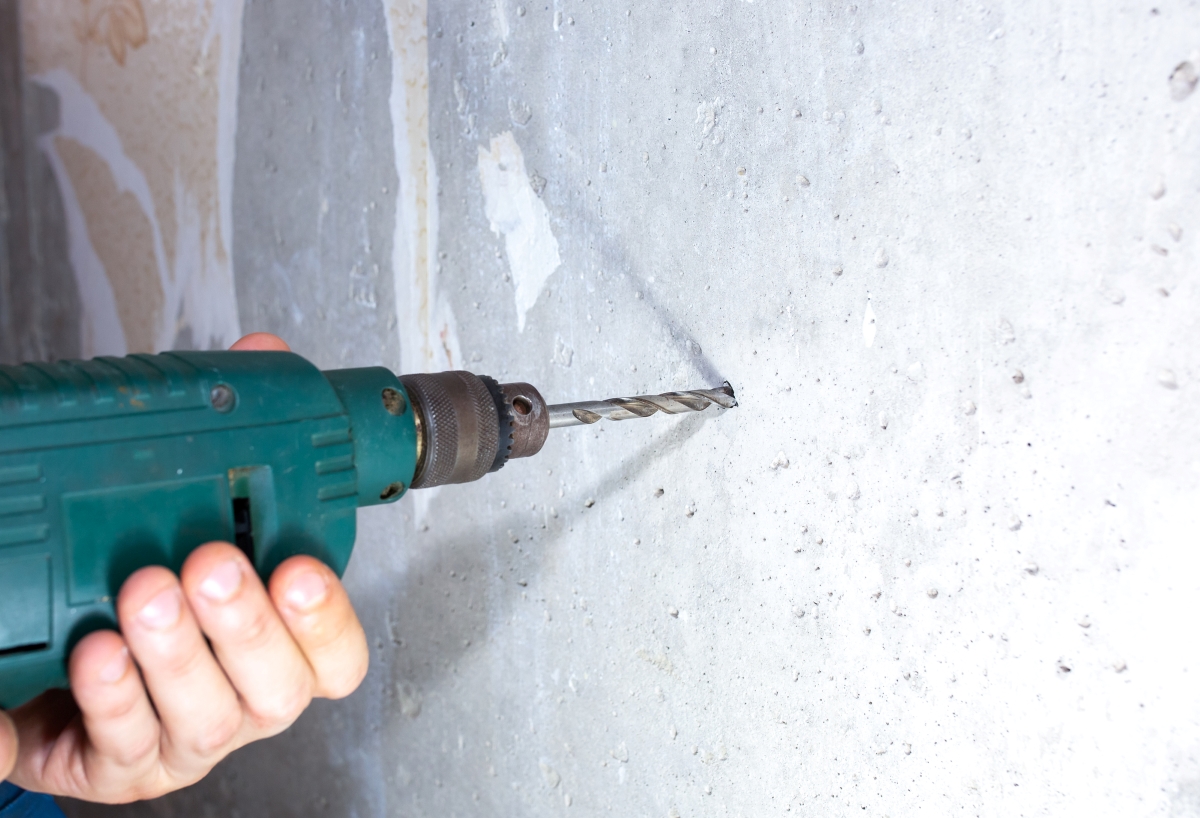
Smooth concrete is dense and hard. Use a hammer drill with a carbide-tipped masonry bit. Mark the spot clearly before you start. Drill slowly at first to create a guide hole. Keep the drill straight to avoid slipping. Use light pressure to prevent cracking. Pull the bit out sometimes to clear dust. Wear safety glasses to protect your eyes.
Handling Rough Or Porous Surfaces
Rough or porous concrete can chip or crumble easily. Choose a drill bit designed for masonry or stone. Set the drill to hammer mode to break the surface gently. Start drilling at low speed to control the bit. Increase speed as the hole forms. Clean the hole often to avoid clogging. Use tape around the drill spot to reduce chipping. Always wear a dust mask to avoid inhaling particles.
Credit: www.jungheinrich-profishop.co.uk
Frequently Asked Questions
What Tools Do I Need To Drill Into A Concrete Wall?
You need a hammer drill, masonry bit, wall plugs, safety goggles, and dust mask. These tools ensure efficient and safe drilling into concrete surfaces.
How Do I Choose The Right Drill Bit For Concrete?
Select a carbide-tipped masonry bit designed for concrete. Size should match your anchor or screw for a secure fit.
Can I Drill Into Concrete Without A Hammer Drill?
Drilling without a hammer drill is possible but slow and difficult. A hammer drill greatly improves speed and accuracy on concrete.
How Deep Should I Drill Into A Concrete Wall?
Drill at least 1 inch deeper than the length of your anchor or screw. This allows for proper embedment and secure fastening.
Conclusion
Drilling into a concrete wall is easier with the right tools and steps. Always wear safety gear to protect yourself. Use a hammer drill and the right drill bit for best results. Mark the spot clearly before you start drilling.
Take your time and drill slowly to avoid damage. Clean the hole before placing anchors or screws. Practice on scrap concrete if you can. With care and patience, your project will go smoothly. Now, you are ready to drill confidently into concrete walls.
