

Are you wondering if your drill driver can handle masonry work? You’re not alone.
Many people ask whether the tool they already own is strong enough to drill into tough materials like brick, stone, or concrete. Using the right tool can save you time, money, and frustration. But what if your drill driver isn’t made for the job?
Keep reading to discover when and how your drill driver can be used for masonry tasks—and when it’s better to reach for something else. This simple knowledge can make all the difference in your next project.
Credit: www.youtube.com
Drill Driver Basics
A drill driver is a common tool in many homes and workshops. It combines the ability to drill holes and drive screws. This tool is popular because it is compact, easy to use, and versatile. Understanding its basics helps decide if it suits masonry work.
Key Features
Drill drivers have variable speed control for different tasks. They come with a keyless chuck to change bits quickly. Most models run on batteries, making them portable. Torque settings help control screw driving depth. They often have a compact design for easy handling.
Common Uses
Drill drivers are great for wood and metal projects. They work well for assembling furniture and fixing shelves. These tools can drill pilot holes for screws. They also help with light drilling tasks in plastic or drywall. Heavy-duty masonry work usually needs a different tool.
Masonry Materials
Masonry materials are the building blocks of walls and structures. They include bricks, stones, concrete blocks, and more. Each material has unique features that affect how tools work on them.
Understanding these materials helps decide if a drill driver is suitable. Some materials are soft and easy to drill. Others are very hard and need special tools.
Types Of Masonry
Bricks are common masonry materials. They are made from clay or concrete. Bricks are generally easier to drill than stone.
Natural stone, like granite or marble, is much harder. It requires strong tools and special drill bits. Concrete blocks are larger and lighter than stone. They can be drilled with the right equipment.
Some masonry uses mortar to hold pieces together. Mortar is softer than bricks or stone. Drilling into mortar can be easier but may weaken the structure.
Material Hardness
Hardness affects how well a drill driver works. Soft materials like bricks and mortar allow easier drilling. Hard materials like granite resist drilling and can damage a drill driver.
Using a drill driver on very hard masonry can cause overheating. It can also wear out the drill bits quickly. For hard materials, a hammer drill or rotary hammer is better.
Knowing the hardness helps pick the right tool and drill bit. This prevents damage and saves time during work.
Drill Drivers Vs Masonry Tools
Drill drivers and masonry tools serve different purposes. Drill drivers work well for wood and metal. Masonry tools are built to handle hard surfaces like brick and concrete. Choosing the right tool is important for safe and effective work.
Using a drill driver on masonry can cause damage or poor results. Masonry needs more power and special features. This section explains the differences between drill drivers and masonry tools.
Hammer Drills Explained
Hammer drills combine rotation with a hammering action. This helps break up hard materials like concrete. The hammering moves the drill bit forward quickly. It makes drilling into masonry easier and faster. Standard drill drivers do not have this hammer action. They only rotate the bit, which is not enough for tough surfaces.
Impact Of Tool Design
Masonry tools have strong motors and special bits. Their design handles high impact and heat. Drill drivers are lighter and less powerful. They lack the durability needed for masonry tasks. Using the wrong tool can wear out the drill driver fast. Masonry tools also offer better control and stability. This reduces the chance of slipping or breaking the bit.

Credit: www.reddit.com
Using Drill Drivers On Masonry
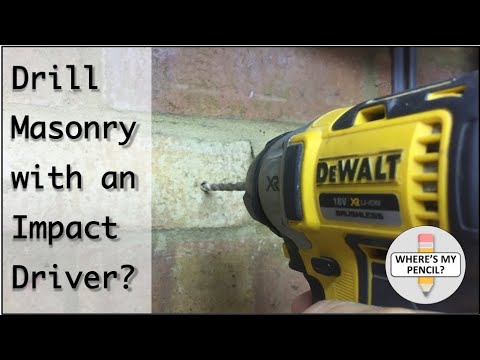
Using a drill driver on masonry can be helpful for many DIY projects. Masonry includes materials like brick, stone, and concrete. These surfaces are hard and need the right tools to make holes or drive screws. A drill driver can work on masonry if used carefully and with the correct accessories. Understanding how to use it properly can save time and effort.
Choosing the right drill bits, controlling speed, and knowing the tool’s limits matter a lot. Below are key points to help you use your drill driver on masonry safely and effectively.
Suitable Drill Bits
Use masonry drill bits made of tungsten carbide or diamond tips. These bits are tough and can cut through stone and brick. Avoid using wood or metal bits on masonry. Always check the bit size before starting. Sharp bits make cleaner holes and last longer. Replace dull bits to keep your work efficient.
Speed And Pressure Tips
Start drilling at a low speed to avoid overheating. High speeds can damage the bit and the material. Apply steady, moderate pressure. Pressing too hard can crack the masonry or break the bit. Let the drill do the work. If the bit gets stuck, stop and clear the debris before continuing.
Limitations To Consider
Drill drivers lack the power of hammer drills for heavy masonry. They may struggle with very hard surfaces or deep holes. Avoid using drill drivers for large masonry jobs. Continuous use on masonry can wear out the motor. For tough tasks, a hammer drill is better suited. Know your drill driver’s limits to prevent damage.
Safety Precautions
Using a drill driver for masonry work requires strict safety measures. Masonry involves hard materials like brick and concrete. These materials can cause dust, flying debris, and tool kickback. Taking the right precautions protects you from injury and damage.
Personal Protective Gear
Always wear safety goggles to protect your eyes from dust and chips. A dust mask helps keep harmful particles out of your lungs. Use ear protection to reduce noise from the drill. Wear gloves to protect your hands from sharp edges and vibration. Sturdy shoes prevent foot injuries from falling objects.
Proper Handling Techniques
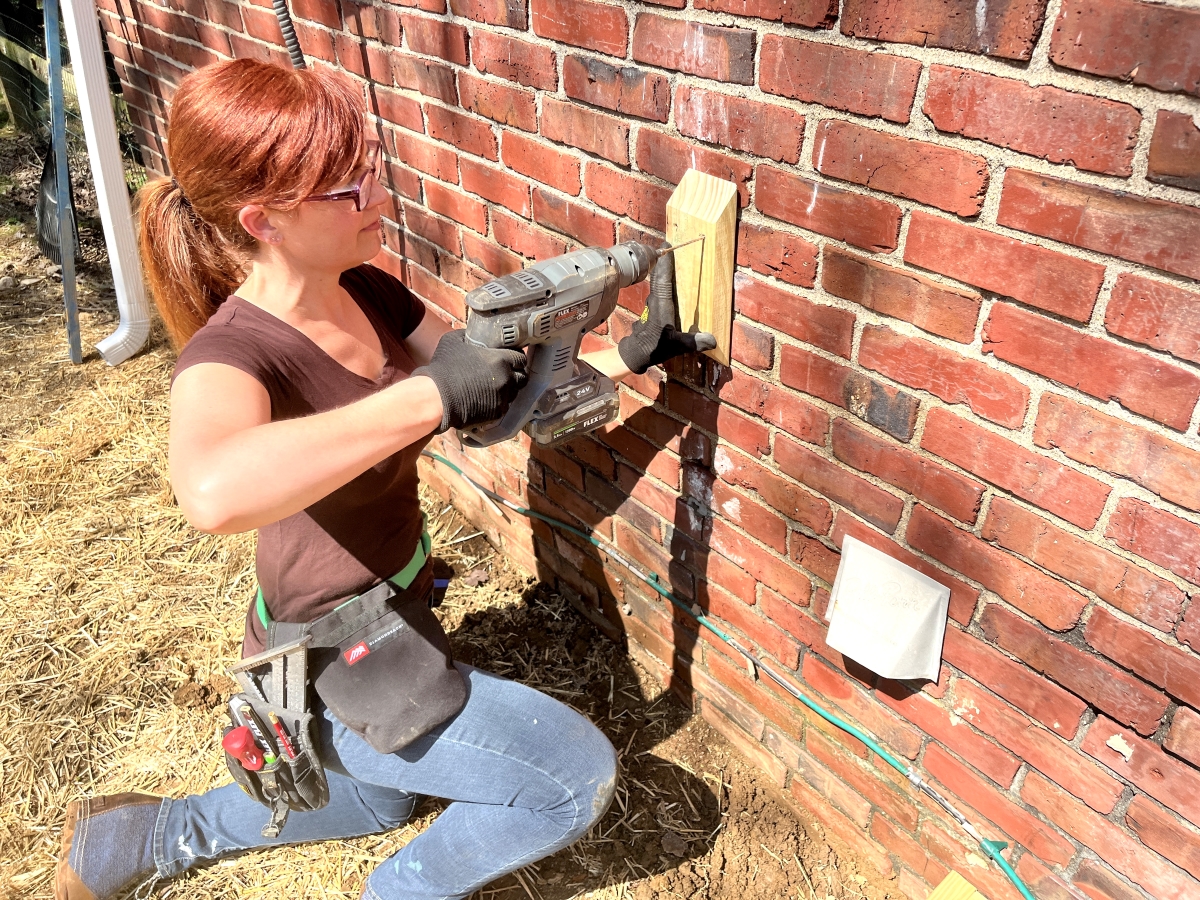
Hold the drill driver firmly with both hands. Keep a steady grip to control sudden movements. Start drilling at a slow speed to avoid slipping. Keep the drill bit perpendicular to the surface for better control. Take breaks to avoid hand fatigue and reduce mistakes. Always unplug or remove the battery before changing bits.
Credit: www.bobvila.com
Expert Recommendations
Experts suggest careful tool choice for masonry projects. The right tool makes work easier and safer. Knowing when to use a drill driver saves time and effort. Some jobs need stronger tools to handle tough materials. Understanding these tips helps you pick the best option.
When To Choose A Drill Driver
Use a drill driver for light masonry tasks. Small holes in bricks or soft blocks work well. Choose it for quick fixes or simple installations. It handles screws and drilling in wood or metal too. Avoid using it on very hard surfaces or thick concrete. The drill driver may overheat or wear out fast.
Alternatives For Tough Masonry
For hard bricks and concrete, use a hammer drill. It delivers more power and a hammering action. This makes drilling faster and easier. Rotary hammers are best for very thick walls and tough jobs. They combine rotation with strong impacts. Always wear safety gear and pick the right drill bit. This protects you and improves results.
Frequently Asked Questions
Can A Drill Driver Handle Masonry Materials?
A standard drill driver is not ideal for masonry. Use a hammer drill or rotary hammer for drilling into brick, stone, or concrete. These tools provide the necessary impact action to break through tough masonry surfaces efficiently.
What Drill Bit Is Best For Masonry With A Drill Driver?
Use carbide-tipped masonry drill bits with a drill driver. These bits are specially designed to penetrate hard materials like brick and concrete. However, without a hammer function, drilling may be slower and less effective.
Can A Drill Driver Replace A Hammer Drill For Masonry Work?
A drill driver cannot fully replace a hammer drill for masonry. Hammer drills combine rotation with hammering action, making them more efficient for masonry. Drill drivers lack this feature and struggle with hard surfaces.
How To Improve Masonry Drilling With A Drill Driver?
To improve masonry drilling, use sharp masonry bits and apply steady pressure. Start with a small pilot hole and increase bit size gradually. Keep the drill speed low to prevent overheating and bit damage.
Conclusion
A drill driver can work on masonry with the right drill bit. Choose a masonry bit for better results. Avoid using regular bits on hard materials. Drill slowly to prevent damage to the tool and surface. For heavy masonry work, a hammer drill is better.
Still, a drill driver can handle small jobs well. Always wear safety gear while drilling. Simple steps keep your work safe and clean. Use your drill driver wisely for best outcomes.
