


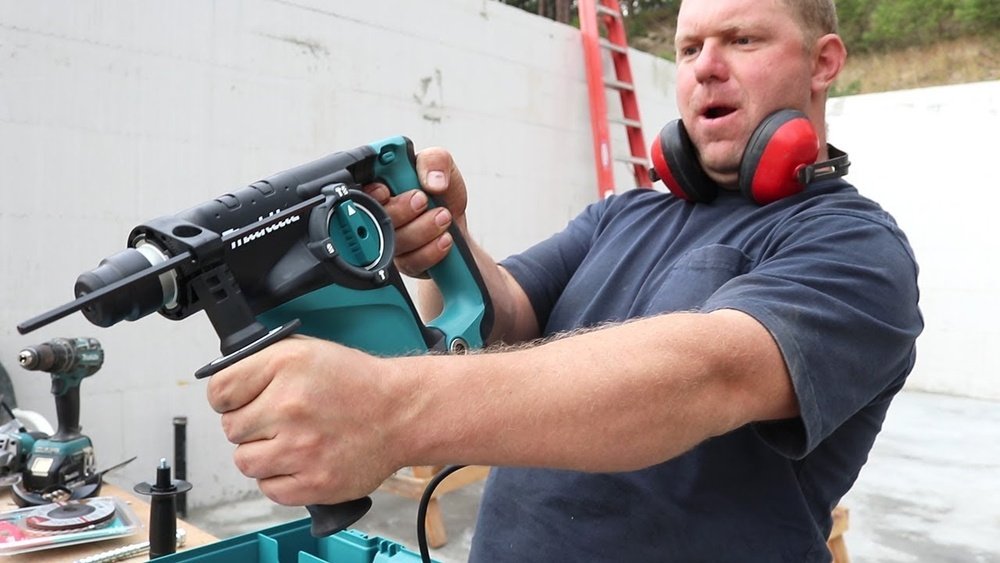
Are you ready to tackle your next concrete project but unsure how to use a hammer drill properly? Getting the hang of this powerful tool can make your work faster, easier, and more precise.
Whether you’re drilling holes for anchors, bolts, or rebar, knowing the right technique can save you time and frustration. In this guide, you’ll discover simple steps to master your hammer drill on concrete, avoid common mistakes, and achieve professional results.
Keep reading, and soon you’ll feel confident handling your hammer drill like a pro.
Credit: www.hss.com
Choosing The Right Hammer Drill
Choosing the right hammer drill is important for drilling into concrete. The right tool makes the job easier and faster. It also helps avoid damage to the drill or the surface. Several factors affect your choice, such as power source, features, and drill bits.
Corded Vs Cordless Models
Corded hammer drills offer constant power. They are good for long jobs or heavy concrete. Cordless models give freedom to move without a cord. They are lighter and easier to carry. Battery life limits cordless drills. Choose corded for power and cordless for convenience.
Key Features To Consider
Look for adjustable speed settings. Different speeds help control drilling depth and precision. Check the hammering action strength. Stronger hammering drills concrete faster. Ergonomic handles reduce hand fatigue. A built-in level helps keep holes straight. Choose a drill with easy-to-change parts.
Selecting The Appropriate Drill Bits
Use drill bits made for concrete. Masonry bits with carbide tips work best. Choose the right size for your hole. Longer bits reach deeper into thick concrete. Check bits for durability and sharpness. Replace worn bits to keep drilling efficient.
Preparing For Concrete Drilling
Preparing for concrete drilling is a crucial step for a smooth and safe job. It sets the foundation for accurate and efficient drilling. Taking time to prepare can save effort and prevent accidents. Below are key steps to follow before you start drilling.
Safety Gear Essentials
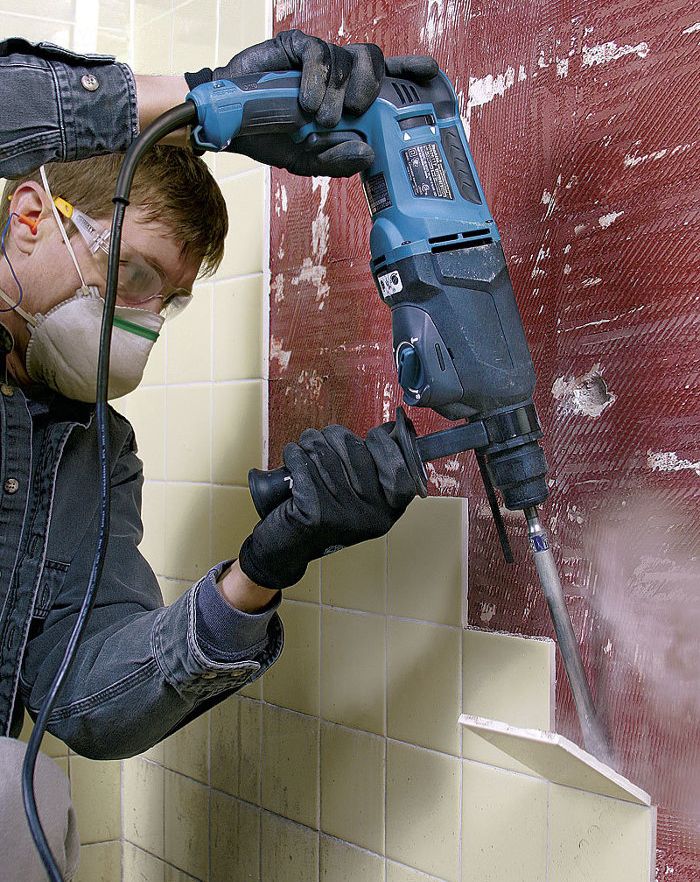
Wear safety glasses to protect your eyes from dust and debris. Use ear protection to reduce noise from the hammer drill. Gloves help protect your hands from vibration and sharp edges. A dust mask prevents inhaling harmful concrete dust. Wear sturdy boots to guard your feet from falling objects.
Marking Drill Points
Use a pencil or chalk to mark exact drill spots on the concrete. Measure carefully to ensure correct placement. Double-check your marks before drilling. Clear and visible marks guide your drill for precision. Avoid guessing drill points to prevent mistakes.
Checking For Obstacles
Look for electrical wires, pipes, or reinforcement bars inside the concrete. Use a stud finder or scanner to detect hidden objects. Drilling into wires or pipes can cause serious damage or injury. Clear the area of loose debris or objects. Confirm the drilling path is safe and clear.
Setting Up The Hammer Drill
Setting up the hammer drill correctly is key for safe and effective work. It helps you drill into concrete with ease and precision. Follow these steps to prepare your tool and workspace before starting.
Adjusting Speed And Mode
Choose the right speed based on the task. Lower speeds work best for drilling into hard concrete. Higher speeds suit softer materials. Set the drill to hammer mode for concrete. This mode combines rotation with strong hammering action.
Installing Drill Bits Correctly
Select a carbide-tipped drill bit designed for concrete. Insert the bit firmly into the chuck. Tighten the chuck securely to prevent slipping. Check the bit for any damage before use. Proper installation ensures accurate and safe drilling.
Securing The Work Area
Clear the area of any objects or debris. Make sure the surface is stable and even. Use clamps or supports to hold materials in place. Wear safety gear like goggles and gloves. Keep others at a safe distance during drilling.
Techniques For Drilling Concrete
Drilling into concrete requires specific techniques to ensure clean and safe holes. Using a hammer drill correctly can prevent damage and make the job easier. Follow these steps for better control and efficiency while drilling concrete surfaces.
Starting The Drill At The Right Angle
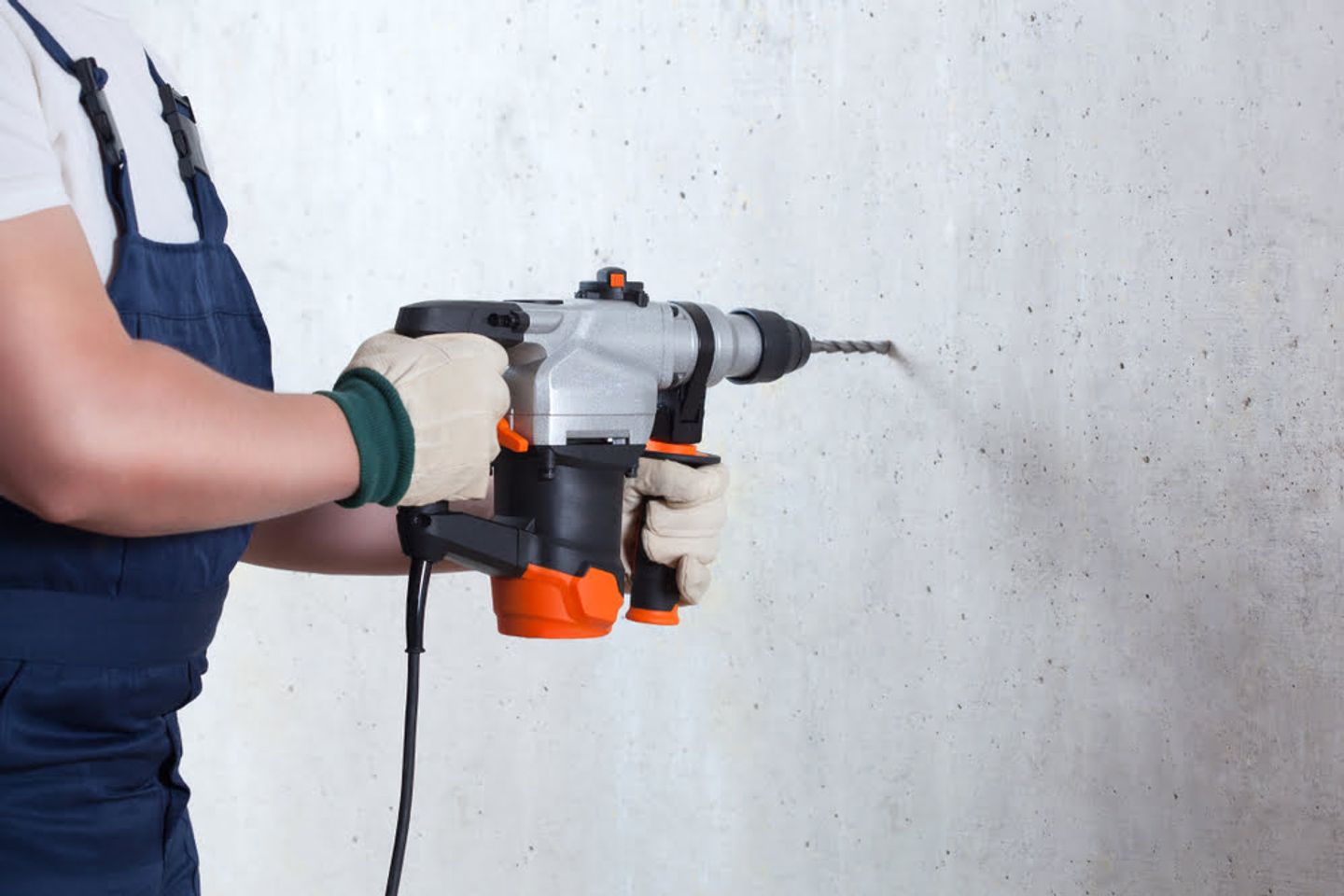
Hold the drill perpendicular to the concrete surface. This angle helps the bit penetrate straight and prevents it from slipping. Avoid starting at a sharp angle, as it can damage the bit or cause uneven holes. Begin slowly to create a small guide hole before increasing speed.
Applying Consistent Pressure
Push the drill firmly but do not force it. Too much pressure can break the drill bit or cause the motor to overheat. Keep steady pressure so the hammer action can do most of the work. Let the drill’s power and speed make the hole, not brute force.
Managing Overheating And Dust
Concrete drilling creates heat and dust that can harm the drill and your health. Pause regularly to let the bit cool down. Use water or a vacuum to reduce dust around the drilling area. Wear safety glasses and a mask to protect your eyes and lungs.
Troubleshooting Common Issues
Troubleshooting common issues with a hammer drill on concrete saves time and effort. Problems can slow your work or damage your tool. Knowing how to fix these issues helps you work smoothly and safely. Below are simple ways to solve typical problems.
Dealing With Bit Slippage
Bit slippage happens when the drill bit spins without gripping the concrete. Check if the bit is tight in the chuck. Tighten the chuck firmly to hold the bit. Use the right type of bit for concrete work. Worn or damaged bits often slip. Replace bits that look dull or broken. Keep the bit clean from dust and debris. This helps it stay secure during drilling.
Handling Drill Stalling
Drill stalling means the hammer drill stops or slows down suddenly. This may happen if the drill bit is stuck or too big for the hole. Reduce pressure on the drill to avoid stalling. Use steady, even force while drilling. Clean the hole often to remove dust and rubble. Check the drill’s power source and battery charge. Overheating can also cause stalling. Let the drill rest if it gets hot.
Addressing Cracks And Damage
Cracks or damage around the drill hole weaken the concrete. Use a smaller drill bit to start the hole. Drill slowly to avoid sudden pressure. Support the concrete surface to reduce vibration. Avoid hammer mode on fragile areas. Repair small cracks with concrete patch or filler. Large cracks may need professional help. Careful drilling prevents damage and keeps your work clean.
Credit: www.finehomebuilding.com
Maintaining Your Hammer Drill
Maintaining your hammer drill is essential for its long life and strong performance. Regular care keeps it running smoothly and safely. Small steps after every use make a big difference in the tool’s durability.
Cleaning After Use
Dust and debris can build up inside your hammer drill. Wipe the outside with a dry cloth to remove dirt. Use compressed air to clear dust from vents and moving parts. Avoid using water or harsh cleaners that damage the tool.
Cleaning prevents blockages and overheating. It also keeps the drill ready for the next job.
Replacing Worn Parts
Check the drill bits and brushes regularly. Worn bits reduce drilling power and damage surfaces. Brushes wear down and affect motor performance. Replace these parts as soon as signs of wear appear.
Use parts recommended by the manufacturer. Proper replacements ensure safety and efficiency.
Storage Tips
Store your hammer drill in a dry, cool place. Avoid damp areas that cause rust and corrosion. Use a case or cover to protect it from dust and impact. Keep the drill unplugged and bits removed during storage.
Good storage habits extend the tool’s life and keep it safe.
Advanced Tips For Perfect Holes
Getting perfect holes in concrete requires more than just a hammer drill. Advanced tips help make holes cleaner and more precise. These tips save time and reduce damage to your drill bits and concrete.
Using Pilot Holes
Start with small pilot holes before drilling the final size. Pilot holes guide the larger drill bit. They reduce the risk of cracking the concrete. Use a smaller masonry bit to create the pilot hole. Drill slowly and keep the bit steady. This method makes the final hole more accurate.
Drilling At Different Angles
Not all holes need to be straight down. Sometimes, angled holes are necessary for fixtures or wiring. Hold the drill firmly and steady at the needed angle. Begin drilling slowly to keep control. Use a level if possible to check the angle. Angled holes require more patience but work well with practice.
Working With Reinforced Concrete
Reinforced concrete has steel bars inside, making drilling tougher. Use a carbide-tipped or diamond-tipped drill bit. Drill with moderate pressure to avoid damaging the bit. If you hit steel, pause and try a different spot. Use water spray to cool the bit and reduce dust. This approach extends bit life and improves hole quality.

Credit: www.youtube.com
Frequently Asked Questions
What Drill Bit Is Best For Hammer Drilling Concrete?
Use carbide-tipped masonry bits for hammer drilling concrete. They are durable and designed to handle tough materials without dulling quickly.
How Do I Prepare Concrete Before Hammer Drilling?
Clean the surface, mark the drill spot, and wear safety gear. Ensure the drill is set to hammer mode for efficient drilling.
Can I Use A Regular Drill Instead Of A Hammer Drill?
Regular drills struggle with concrete. Hammer drills deliver rapid hammering action, making drilling into concrete faster and easier.
How Deep Should I Drill Into Concrete With A Hammer Drill?
Drill only as deep as needed for anchors or bolts. Use a depth stop or tape on the bit to avoid over-drilling.
Conclusion
Using a hammer drill on concrete becomes easier with practice and care. Always wear safety gear and follow the steps carefully. Choose the right drill bit to avoid damage and get clean holes. Keep steady pressure and let the drill do the work.
Clean the hole after drilling for better results. With these tips, drilling concrete feels less hard and more efficient. Try it yourself and see the difference.
