


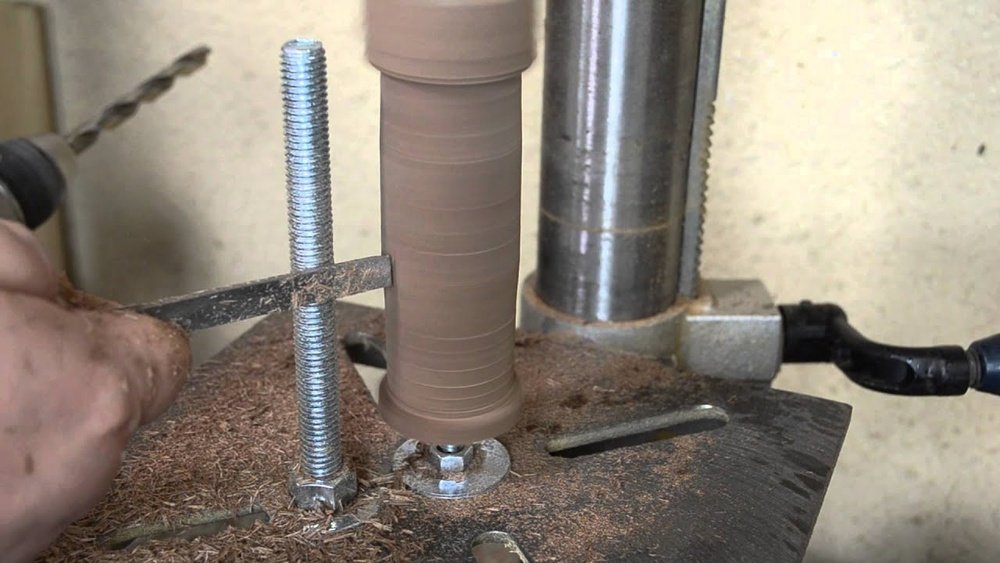
Have you ever wished you could turn your drill press into a lathe without buying a new machine? Imagine saving money and expanding your workshop’s capabilities with just a few simple steps.
You’ll discover how to transform your drill press into a functional lathe quickly and safely. Whether you’re a beginner or an experienced DIYer, you’ll find easy-to-follow tips that make the process clear and doable. Keep reading to unlock the full potential of your drill press and take your woodworking or metalworking projects to the next level.

Credit: makezine.com
Tools And Materials Needed
To turn a drill press into a lathe, you need specific tools and materials. These help ensure the project is safe and works well. Prepare everything before starting for a smooth process.
Essential Tools
- Drill press with a strong motor
- Adjustable wrench for tightening parts
- Screwdrivers, both flat and Phillips
- Measuring tape or ruler for accuracy
- Clamps to hold parts firmly
- Safety goggles to protect eyes
- File or sandpaper for smoothing rough edges
Required Materials
- Lathe tool rest or a sturdy metal bar
- Wood or metal stock for turning
- Chuck adapter to fit lathe bits
- Mounting brackets or plates
- Bolts and nuts for secure assembly
- Threaded rod for spindle setup
- Wood glue or epoxy for extra hold

Credit: www.instructables.com
Preparing The Drill Press
Start by securing the drill press firmly to a stable surface. Next, remove the drill chuck and attach a suitable lathe spindle or adapter. Check the alignment carefully to ensure smooth rotation during use.
Before turning your drill press into a lathe, preparation is key. You need a clean and organized workspace. Clear the area around the drill press to avoid accidents. Take time to inspect the drill press for any damage or loose parts. Ensure the machine is unplugged to keep yourself safe during changes. Proper preparation helps the conversion process go smoothly and safely.
Safety Precautions
Safety is the top priority. Always wear safety glasses to protect your eyes from flying debris. Use gloves to prevent cuts or scrapes. Remove any loose clothing or jewelry that could get caught in moving parts. Make sure the drill press is completely turned off and unplugged before starting. Keep a first aid kit nearby just in case. Work in a well-lit area to see everything clearly.
Removing The Drill Chuck
Start by loosening the chuck jaws using the chuck key. Turn the chuck key counterclockwise to open the jaws. Hold the chuck firmly and try to unscrew it by hand. Some chucks require a wrench or pliers for removal. If stuck, tap gently with a rubber mallet to loosen it. Removing the chuck clears the spindle for lathe attachments. Store the chuck and key safely for future use.
Constructing The Lathe Attachment
Constructing the lathe attachment is the key step in converting your drill press. It requires careful parts and precise assembly. Each component must fit well to ensure smooth operation and safety.
This section covers three vital parts: the spindle holder, the tailstock, and the tool rest. Building these parts correctly gives your lathe stability and control. Follow these steps to make your drill press work like a lathe.
Building The Spindle Holder
The spindle holder keeps the workpiece spinning steadily. Start with a metal rod that fits your drill chuck securely. Cut the rod to the correct length for your projects.
Drill a hole through the rod to hold the workpiece firmly. Use bearings to reduce friction and allow smooth rotation. Attach the spindle holder to the drill press table tightly.
Creating The Tailstock
The tailstock supports the other end of your workpiece. Use a block of wood or metal with a center point to hold the workpiece. Make sure it aligns with the spindle holder.
Mount the tailstock on a sliding base. This allows you to adjust it according to the size of your workpiece. Secure it firmly to avoid any wobbling during use.
Assembling The Tool Rest
The tool rest supports your cutting tools for better control. Use a flat metal bar or wooden piece as the rest. It should be adjustable to different heights and distances.
Attach the tool rest to the drill press table with a clamp or bolts. Ensure it is sturdy and easy to move. This setup helps you make precise cuts safely.
Mounting Workpieces
Mounting workpieces correctly is key to using a drill press as a lathe. It ensures safety and precision while shaping your material. Proper mounting helps avoid damage and keeps the work steady during rotation.
Careful attention to material choice and secure attachment will make your project easier and safer.
Selecting Suitable Materials
Choose materials that are easy to shape on a lathe. Soft woods like pine or basswood work well. They spin smoothly and do not strain the drill press motor.
Avoid very hard woods or metals that need high speed and strong tools. Start with simple materials to practice mounting and turning.
Securing The Workpiece
Firmly hold the workpiece to avoid slipping or wobbling. Use clamps or a custom jig attached to the drill press table. Make sure the piece is centered on the spindle.
Check tightness before starting the machine. Loose pieces cause uneven cuts and can be dangerous. Proper securing improves control and final results.
Operating The Converted Lathe
Operating a drill press converted into a lathe requires care and attention. Understanding how to control speed and use basic techniques will help you work safely and effectively. Always keep safety in mind during each step of your project.
Adjusting Speed Settings
Speed control is crucial for good results. Start with a low speed to avoid mistakes. Adjust the speed based on the material you are turning. Softer materials need higher speeds, while harder ones require slower speeds. Use the drill press controls to change the speed smoothly. Watch how the material reacts and change the speed if needed.
Basic Turning Techniques
Hold the tool steady and move it gently against the spinning material. Use light pressure to avoid damaging the workpiece. Keep your hands firm but relaxed. Make slow, even passes to shape the object. Check your progress often and make small adjustments. Practice on scrap wood before working on your main project.
Safety Tips While Using
Wear safety goggles and keep your hair tied back. Remove loose clothing or jewelry. Always use clamps to hold the workpiece securely. Keep your hands clear of moving parts. Turn off the machine before making adjustments. Work in a clean, well-lit area to avoid accidents. Stay focused and never leave the lathe running unattended.
Maintenance And Troubleshooting
Turning a drill press into a lathe is a smart project that requires care. Proper maintenance and troubleshooting keep your tool running well. Regular care helps avoid bigger problems later. Quick checks and fixes save time and money.
Regular Checks
Check the drill press before each use. Look for loose parts and tighten them. Make sure the spindle moves smoothly. Clean dust and metal shavings from all surfaces. Lubricate moving parts with oil to reduce friction. Inspect belts and pulleys for wear. Replace any damaged parts immediately. Keep the tool stable on the workbench.
Common Issues And Fixes
The spindle may wobble during use. Tighten the chuck and check the bearings. If the motor slows down, check the power source. Look for worn belts and replace them. Strange noises often mean a lack of lubrication. Clean and oil moving parts. If the drill press stops suddenly, check the switch and wiring. Address minor problems quickly to avoid bigger repairs.
Project Ideas And Applications
Turning a drill press into a lathe opens up many creative project options. This tool change lets you shape materials with more control and precision. You can try projects that need spinning workpieces, expanding what you can build at home or in a workshop.
Small Woodworking Projects
Use the drill press lathe to craft small wooden items. Pens, bowls, and candle holders become easy to make. The lathe action helps smooth and round wood pieces fast. Try making wooden beads for jewelry or drawer knobs. These projects need little material but build skills quickly.
Metalworking Possibilities
The converted lathe also works with soft metals like aluminum or brass. Create custom bolts, spacers, or bushings for machines. You can trim metal rods to exact sizes. This tool helps in fine shaping and polishing metal parts. It adds a new skill set to your metalwork projects.

Credit: www.youtube.com
Frequently Asked Questions
How Can I Convert A Drill Press Into A Lathe?
You can convert a drill press by adding a lathe attachment or using a homemade tool rest. Secure the workpiece properly and ensure the drill’s speed is adjustable for lathe operations.
What Tools Do I Need To Make A Drill Press A Lathe?
You need a lathe attachment, tool rest, chuck, and tailstock or a steady support. Basic hand tools and safety equipment are also essential for a safe conversion.
Is It Safe To Use A Drill Press As A Lathe?
Yes, if properly set up with secure attachments and safety precautions. Always wear safety gear and avoid high speeds that could cause instability or accidents.
What Materials Can I Work On With A Drill Press Lathe?
You can work on wood, soft metals, and plastics. Avoid hard metals as the drill press may lack the necessary power and rigidity.
Conclusion
Turning a drill press into a lathe saves money and space. It lets you do small wood or metal projects at home. The steps are simple and do not need special tools. Always work carefully and use safety gear. Practice often to get better results.
This DIY idea suits hobbyists and beginners well. Give it a try and enjoy crafting with your new tool.
