


Have you ever tried to drill a hole close to a wall and ended up frustrated with uneven edges or damaged surfaces? You’re not alone.
Getting that perfect spot without cracking the wall or missing the mark can be tricky. But what if you could learn a simple method that makes this task easy and precise every time? You’ll discover step-by-step tips and tricks that help you drill close to a wall safely and cleanly.
Keep reading, and you’ll never worry about awkward holes or wasted materials again.
/Bhg-how-to-patch-dry-wall-hero-2431_ErCJ7v2pKcVADoq5rBc19m-9bc6054b40c84af4bd3ba2b19b3693b9.jpg)
Credit: www.bhg.com
Tools Needed
Drilling a hole close to a wall needs the right tools. Using the right equipment makes the job easier and safer. This section explains the tools you need to complete the task well.
Choosing good tools also helps protect the wall from damage. It saves time and ensures a clean, precise hole. Let’s explore the main tools required for this job.
Choosing The Right Drill
Select a drill that fits the job size. A cordless drill is easy to handle near walls. It offers good control and less risk of cord damage. Choose a drill with variable speed to adjust power. This helps prevent slipping and wall damage.
Selecting Drill Bits
Pick drill bits made for the wall type. Masonry bits work well on brick or concrete. Wood bits suit wooden walls and drywall. Use smaller bits for pilot holes. They guide larger bits for accuracy. Keep bits sharp for smooth drilling.
Additional Accessories
Use a drill guide or angle attachment for tight spaces. A tape measure helps mark the exact spot. Painter’s tape can protect the wall surface. Safety glasses shield your eyes from dust. A vacuum or brush clears debris quickly.

Credit: www.wikihow.com
Preparing The Area
Preparing the area is the first step before drilling a hole close to a wall. It helps keep the workspace safe and clean. Proper preparation also prevents damage to the wall and nearby objects. Follow these simple steps to get ready for drilling.
Clearing The Workspace
Remove all items near the drilling spot. Clear furniture, decorations, and any fragile objects. This creates space to move freely. It also stops dust and debris from settling on your belongings. A clear workspace makes the job easier and safer.
Protecting Surfaces
Cover the floor and nearby surfaces with a drop cloth or old newspaper. This protects them from dust and scratches. Use painter’s tape to hold the cover in place. If drilling near electrical outlets, turn off the power for safety. Protecting surfaces saves time on cleaning later.
Marking The Drill Spot
Use a pencil to mark the exact spot for drilling. Measure twice to ensure accuracy. Double-check the mark is close enough to the wall but not too close. A clear mark guides the drill bit and prevents mistakes. Precision here leads to a clean, neat hole.
Drilling Techniques
Drilling a hole close to a wall requires careful technique. The right methods help avoid damage and keep your work precise. Follow these drilling techniques to get the best results.
Positioning The Drill
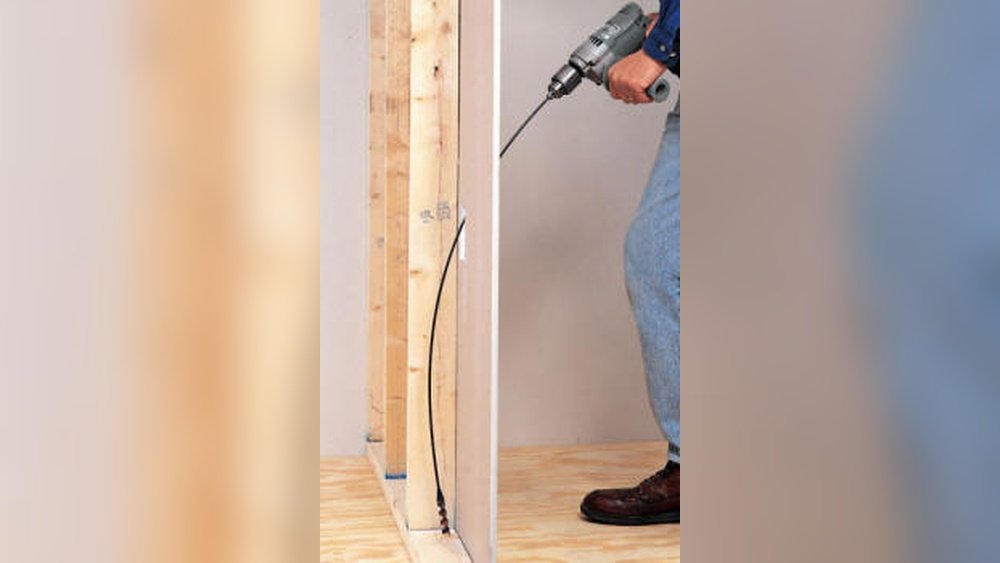
Hold the drill steady and straight. Place the drill bit close to the wall without touching it. Keep the drill at a right angle to the surface. This helps prevent slipping and uneven holes. Use a guide or a piece of tape to mark the spot. It ensures you drill exactly where you want.
Using A Right-angle Attachment
A right-angle attachment helps when space is tight. It fits between the drill and bit. This tool lets you drill in narrow spots near walls. It also keeps your hands safe and away from edges. Attach it firmly before drilling for better control.
Controlling Drill Speed
Start drilling at a slow speed to keep control. Slow speed reduces the chance of the bit slipping. Once the bit is in the wall, increase speed slightly. Use steady pressure, not too much force. This prevents damage to the wall and drill bit.

Credit: www.bosch-diy.com
Safety Tips
Drilling a hole close to a wall needs extra care. Safety is the top priority. Simple steps can keep you safe and avoid accidents. Follow these safety tips before you start drilling.
Wearing Protective Gear
Always wear safety goggles to protect your eyes from dust and debris. Use ear protection to reduce noise from the drill. Wear gloves to protect your hands from sharp edges and vibration. Choose a dust mask to avoid breathing in fine particles. Dress in close-fitting clothes to prevent them from catching in the drill.
Avoiding Electrical Wires
Use a wire detector to find hidden electrical wires inside the wall. Turn off power to the area you will drill. Mark safe spots where no wires or pipes are present. Drill slowly and carefully to avoid hitting anything inside the wall. Stay alert and stop if you feel resistance or see sparks.
Handling Dust And Debris
Place a small container or tape under the drilling spot to catch falling dust. Clear the area from loose objects to avoid slipping or tripping. Clean dust often during drilling to keep your view clear. Use a vacuum cleaner or damp cloth to remove dust after drilling. Keep children and pets away from the work area.
Troubleshooting Common Issues
Drilling a hole close to a wall can be tricky. Many people face small problems that slow down the work. These problems can cause damage or make the hole not straight. This section helps you fix common issues fast. It also gives tips to make drilling easier and safer.
Dealing With Drill Bit Slippage
Drill bit slippage happens when the bit moves off the spot. This makes holes uneven or wrong in place. To stop slippage, mark the spot with a pencil first. Use a center punch or nail to make a small dent. This dent holds the drill bit steady. Also, start drilling slowly. This helps the bit grip the wall better.
Fixing Uneven Holes
Uneven holes look bad and can cause weak holding. Check if the drill is straight before drilling. Hold the drill firmly and use both hands. Make sure the drill bit is sharp and the right size. If the hole starts to go off, stop and realign the drill. Drill slowly and keep the drill steady for best results.
Managing Wall Material Challenges
Different walls need different drill bits and speed. For brick or concrete, use a masonry bit with a hammer drill. For drywall, use a regular bit and low speed. Wood walls need wood bits that cut cleanly. Always check wall type before drilling. Adjust drill speed and pressure to avoid cracks or holes that are too big.
Frequently Asked Questions
How Do I Drill A Hole Close To A Wall Safely?
Use a drill with a narrow bit and a depth stop. Mark the spot precisely. Hold the drill steady to avoid wall damage. Wear safety goggles and clear the area before drilling.
What Drill Bit Is Best For Holes Near Walls?
Choose a masonry bit for brick or concrete walls. Use a wood or metal bit for drywall or wooden surfaces. Match the bit size to your screw or anchor for a secure fit.
How Can I Prevent Wall Damage When Drilling Nearby?
Place painter’s tape on the wall to minimize chipping. Drill slowly and apply gentle pressure. Use a depth stop to avoid drilling too deep. Check for wires or pipes before starting.
Can I Drill Close To An Electrical Outlet Safely?
Turn off power to the outlet at the breaker box. Use a stud finder to detect wiring behind the wall. Avoid drilling directly above or below the outlet. Proceed cautiously with small, shallow holes.
Conclusion
Drilling close to a wall can feel tricky at first. Take your time and measure carefully before you start. Use the right tools and steady hands to avoid mistakes. Keep your workspace clean and check your progress often. With practice, drilling near walls becomes easier and safer.
Remember, patience and precision make all the difference. Try these tips next time you drill. You will see better results and fewer problems. Simple steps lead to a strong, clean hole every time.
