


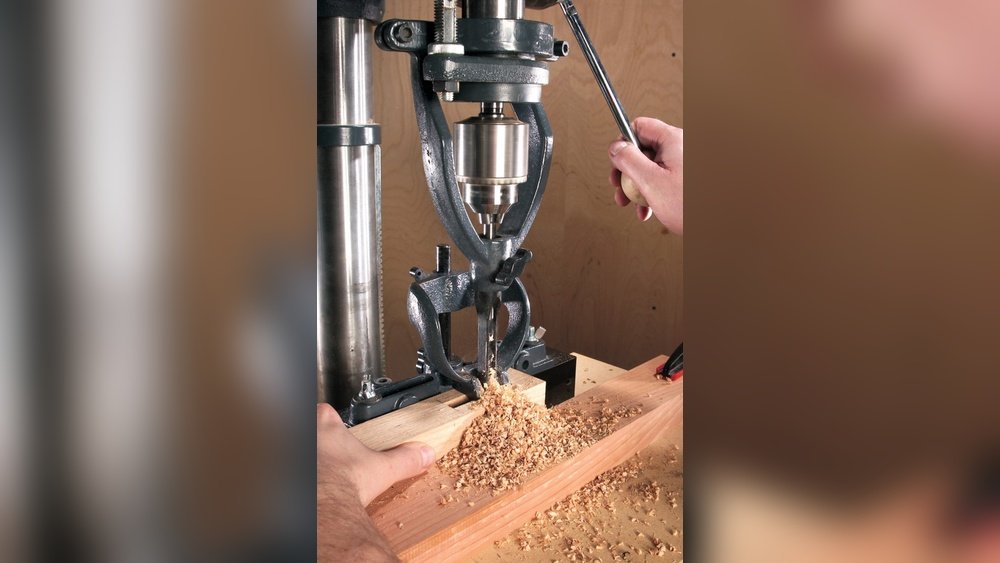
If you’ve ever wanted to create clean, precise mortises for your woodworking projects, using a mortise bit in a drill press is a game-changer. But maybe you’re not sure how to get started or worried about making mistakes that waste time and material.
This guide will walk you through every step, showing you exactly how to set up and use a mortise bit safely and effectively. By the end, you’ll have the confidence to make perfect mortises that fit like a glove—saving you effort and boosting the quality of your work.
Ready to take your woodworking skills to the next level? Let’s dive in.
Credit: www.reddit.com
Choosing The Right Mortise Bit
Choosing the right mortise bit is important for clean and accurate cuts. The right bit helps you work faster and avoid mistakes. It depends on what kind of wood and project you have. Knowing the types and sizes makes the process easier and safer.
Types Of Mortise Bits
There are two main types of mortise bits: hollow chisel and spiral. Hollow chisel bits have a square outer shell and a drill inside. They cut square holes cleanly. Spiral bits look like normal drill bits but are longer. They remove wood chips well and work for deep holes. Choose based on the shape and depth you need.
Size And Material Considerations
Mortise bits come in different sizes. Small bits are good for fine, detailed work. Larger bits cut bigger joints. Pick the size that fits your project. Bits are made from high-speed steel or carbide. Steel bits are cheaper and work well for soft wood. Carbide bits last longer and cut hard wood easily. Think about your wood type before choosing.
Setting Up Your Drill Press
Setting up your drill press correctly is key to using a mortise bit safely and accurately. This step ensures clean cuts and protects your workpiece. Take your time to prepare the machine before starting.
Follow these steps to get your drill press ready for mortising.
Adjusting Speed Settings
Mortise bits work best at low to medium speeds. High speeds can burn the wood or damage the bit. Check your drill press manual for speed recommendations. Use the speed control to set the correct RPM before drilling.
Securing The Workpiece
Clamp your wood firmly to the drill press table. Movement during drilling causes uneven cuts and risks injury. Use a vise or clamps to hold the piece steady. Double-check that it does not shift when pressure is applied.
Installing The Mortise Bit
Insert the mortise bit into the drill press chuck. Tighten the chuck securely to prevent wobbling. Make sure the bit is straight and fully seated. Test the setup by lowering the bit without power to confirm alignment.
Techniques For Clean Mortises
Creating clean mortises with a mortise bit in a drill press takes care and attention. Small details make a big difference in the quality of your cuts. Following the right techniques helps you get smooth, precise mortises every time.
Focus on key steps like marking, depth control, and feed rate. Each step improves accuracy and reduces mistakes. Let’s explore these techniques for clean mortises.
Marking And Measuring
Start by marking the mortise location clearly on your wood. Use a pencil and a square for sharp lines. Double-check your measurements before drilling. Accurate marks guide the mortise bit and avoid errors. Mark the edges and the center point for the drill press bit.
Controlling Depth
Set the drill press’s depth stop to control how deep you cut. This prevents cutting too far into the wood. Check the depth often during the process. Use shallow passes instead of one deep cut. This technique keeps the mortise edges clean and precise.
Managing Feed Rate
Feed the wood into the bit slowly and steadily. A fast feed rate can cause tear-out and rough edges. Move the workpiece gently, letting the bit cut smoothly. Pause if the bit gets stuck or overheats. A steady feed rate creates a smooth mortise surface.

Credit: www.popularwoodworking.com
Safety Tips And Precautions
Using a mortise bit in a drill press can be dangerous without proper safety steps. Following safety tips protects you from injury and keeps your work precise. Always prepare before starting your project.
Protective Gear
Wear safety glasses to protect your eyes from wood chips. Use ear protection to guard against loud noise. Gloves can protect your hands but avoid loose ones that catch on tools. Dress in close-fitting clothes to prevent accidents.
Avoiding Kickback
Secure your workpiece firmly before drilling. Keep your hands away from the spinning bit. Use a clamp or vise to hold the wood steady. Do not force the bit; let it cut at its own speed. Stop if the drill press binds or jerks suddenly.
Maintaining Tool Sharpness
Keep the mortise bit sharp for clean cuts and safety. Dull bits cause more kickback and damage wood. Sharpen your bit regularly or replace it if worn out. Clean the bit after use to remove debris and resin build-up.
Troubleshooting Common Issues
Using a mortise bit in a drill press can sometimes cause common problems. These issues affect the quality of your work and may slow you down. Understanding these problems helps you fix them quickly. This section covers the most frequent troubles and how to solve them.
Bit Wandering
Bit wandering happens when the mortise bit moves off the mark. This causes uneven holes and poor fits. To stop wandering, check that the drill press table is secure. Use a sharp mortise bit for better control. Clamp your workpiece firmly to avoid any movement during drilling.
Burn Marks
Burn marks on wood show that the bit is too hot. This happens if the drill speed is too high or the bit dulls. Lower the drill speed to reduce heat. Clean or sharpen the mortise bit regularly. Make shallow cuts, removing small amounts of wood at a time to avoid burning.
Uneven Mortise Walls
Uneven walls mean the mortise edges are rough or crooked. This problem happens if the bit is dull or the feed pressure is uneven. Use a sharp bit for smooth cuts. Apply steady, even pressure when feeding the bit into the wood. Check the drill press alignment to ensure the bit moves straight.
Finishing And Cleanup
After cutting a mortise with a drill press, finishing and cleanup are key steps. These steps make the mortise smooth and ready to use. They help the joint fit tight and look neat. Spend time on cleanup for a better result.
Removing Waste Material
Start by removing loose wood chips inside the mortise. Use a small brush or compressed air to clear the space. Check the bottom of the mortise for any leftover bits. These bits can stop the tenon from fitting well.
Sanding Mortise Edges
Lightly sand the mortise edges with fine sandpaper. This smooths rough spots and sharp corners. Be gentle to avoid changing the mortise size. Smooth edges help the joint fit better and prevent wood splitting.
Inspecting For Fit
Test fit the tenon into the mortise. It should slide in easily but feel snug. Check for tight spots or gaps around the edges. Make small adjustments with a chisel or sandpaper if needed. A good fit ensures a strong joint.

Credit: www.youtube.com
Frequently Asked Questions
What Is A Mortise Bit Used For In A Drill Press?
A mortise bit creates square or rectangular holes in wood. It is ideal for making mortise joints. Using it with a drill press ensures precision and clean cuts. This tool helps in woodworking projects requiring strong joinery.
How Do You Safely Use A Mortise Bit In A Drill Press?
Secure the workpiece firmly before drilling. Use proper speed settings based on wood type. Wear safety goggles and keep hands away from the bit. Always drill in small increments to avoid overheating or damaging the bit.
Can Any Drill Press Fit A Mortise Bit?
Most standard drill presses can fit mortise bits. Ensure your drill press chuck can accommodate the bit shank size. Check the drill press’s power and speed range for compatibility. Proper fit guarantees accurate and efficient mortising.
What Speed Should I Use For A Mortise Bit In A Drill Press?
Use low to medium speeds for mortise bits to prevent burning wood. Typically, 500 to 1500 RPM works well depending on wood hardness. Adjust speed gradually to find the optimal setting for clean cuts. Avoid high speeds to extend bit life.
Conclusion
Using a mortise bit in a drill press can make woodworking easier. Always secure your workpiece tightly for safety. Start with slow drill speed to avoid mistakes. Check the bit often to keep it sharp and clean. Practice on scrap wood before working on your project.
These simple steps help you create neat, strong mortises. Keep your tools maintained and work carefully for best results. Now you can add precise mortises with confidence and ease.
