


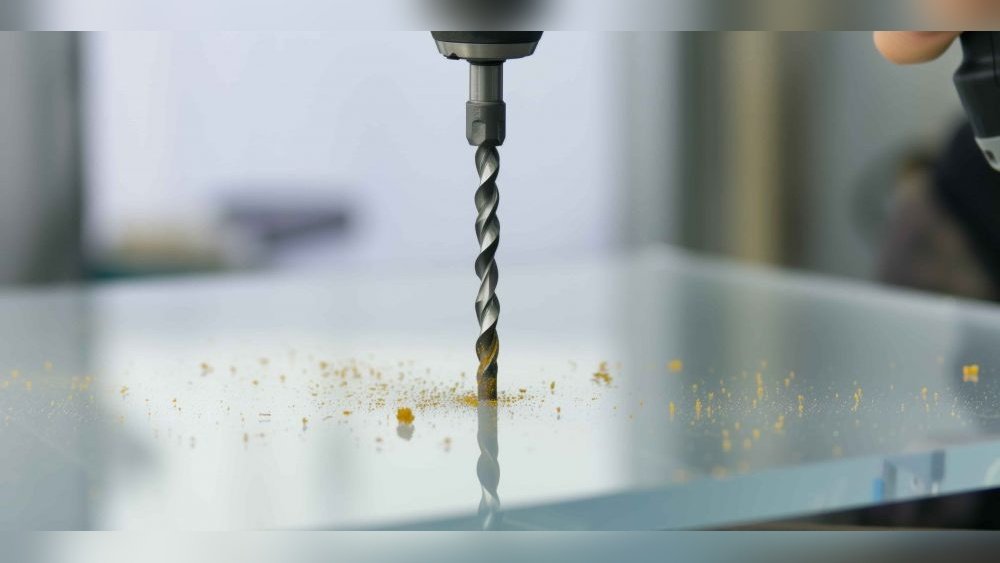
Are you worried about cracking your Perspex when you need to drill holes? You’re not alone.
Perspex looks tough, but it can be tricky to work with if you don’t know the right method. Imagine spending time and effort only to ruin your project with unwanted cracks. What if you could drill clean, precise holes without any damage?
You’ll discover simple, effective tips that make drilling Perspex easy and stress-free. Keep reading, and you’ll learn how to protect your material and get professional results every time.

Credit: www.youtube.com
Choosing The Right Drill Bit
Choosing the right drill bit is key to drilling Perspex without cracks. The wrong bit can cause the material to chip or break. The drill bit must be sharp and suited for plastic. This helps make clean, smooth holes with less chance of damage.
Knowing which drill bit to use and how sharp it should be makes your work easier. It also keeps your Perspex neat and intact. Below, learn about the best drill bits for Perspex and what size works best.
Types Of Drill Bits For Perspex
Special drill bits work best for Perspex. A common choice is a spade bit with a sharp point. It cuts smoothly without cracking the surface. Another good option is a step drill bit. It drills holes in stages, reducing stress on the plastic.
Standard twist drill bits can work but must be very sharp. They often cause cracks if dull. For clean holes, use bits made for plastics or acrylics. These have a lower cutting angle to reduce heat and pressure.
Sharpness And Size Considerations
Sharp drill bits reduce the chance of cracking Perspex. A dull bit pulls and tears the plastic. This can cause chips or cracks around the hole. Always use a new or well-sharpened bit for best results.
Size matters too. Pick a drill bit slightly smaller than the hole size needed. Start drilling with a small pilot hole, then increase bit size gradually. This approach limits stress and helps keep the Perspex intact.
Preparing The Perspex Surface
Preparing the Perspex surface is a key step before drilling. Proper preparation helps prevent cracks and damage. It also makes drilling easier and safer.
This stage involves cleaning and marking the Perspex carefully. Both tasks ensure a smooth drilling process and precise results.
Cleaning The Area
Start by wiping the Perspex surface with a soft cloth. Remove dust, dirt, and grease completely. Use mild soap and water for stubborn spots. Avoid harsh chemicals that can weaken the material. Dry the surface well to prevent slipping during drilling.
Marking The Drill Spot
Mark the drill spot clearly with a fine-tip marker or pencil. Place a small piece of masking tape on the spot to stop cracking. The tape holds the surface and guides the drill bit. Double-check the mark position before starting to drill.
Setting Up Your Drill
Setting up your drill properly is key to drilling Perspex without cracking it. Perspex is a type of acrylic that can crack if drilled too fast or with the wrong tools. Taking time to set up your drill ensures clean holes and protects your material. Follow simple steps to prepare your drill correctly.
Adjusting Speed Settings
Lower drill speeds work best for Perspex. High speeds cause heat, which can melt or crack the material. Use a slow speed to keep the drill bit cool. Start at the lowest speed and increase slightly if needed. Slow drilling helps avoid damage and gives you more control.
Using A Drill Press Vs. Handheld Drill
A drill press offers more stability than a handheld drill. It holds the Perspex firmly and ensures straight holes. This reduces the chance of cracking. A handheld drill works but requires a steady hand. Use clamps to keep the Perspex from moving. Choose a drill press for the best results, especially for thicker sheets.
Drilling Techniques To Avoid Cracks
Drilling Perspex without causing cracks needs care and the right techniques. Perspex is a type of plastic that can break easily if drilled wrong. Using the proper methods helps keep it strong and smooth.
Applying Steady Pressure
Use steady and gentle pressure while drilling. Pressing too hard can crack the Perspex. Let the drill do the work slowly. Keep your hand firm but relaxed. This stops sudden jerks that might break the material.
Cooling Methods During Drilling
Heat builds up during drilling and can crack Perspex. Use water or a spray bottle to cool the drilling area. Stop drilling now and then to let the surface cool. This keeps the plastic from melting or breaking.
Handling Common Issues
Drilling Perspex without cracking can be tricky. Small problems like chipping or minor cracks may occur. Knowing how to handle these issues helps keep your project smooth and clean. This section covers common problems and easy ways to fix them. These tips save time and effort.
Dealing With Chipping
Chipping happens when the drill bit tears the Perspex surface. Use a sharp drill bit made for plastic. Drill slowly with light pressure to avoid chips. Place masking tape over the drilling spot. The tape holds the surface and stops small chips. Clean the area after drilling to remove loose pieces.
Fixing Minor Cracks
Minor cracks can appear if pressure is too high. Stop drilling immediately if cracks show. Use clear plastic glue or epoxy to seal the crack. Apply glue gently with a small brush or toothpick. Let it dry fully before handling the Perspex again. Sand the dried area lightly for a smooth finish.

Credit: www.youtube.com
Post-drilling Care
After drilling Perspex, proper care is important. It helps keep the material strong and looking good. Taking time to treat the drilled area prevents cracks and damage. Follow easy steps to finish your work safely and neatly.
Smoothing Rough Edges
Drilling often leaves sharp or rough edges on Perspex. These edges can cause cracks if not handled. Use fine sandpaper to gently smooth the area. Sand in small circles to avoid making new scratches. A smooth edge reduces the risk of breaking later.
Cleaning And Polishing
Remove dust and debris after sanding. Use a soft cloth with mild soap and water. Wipe the surface carefully without pressing hard. Dry the Perspex with a clean, soft towel. For extra shine, apply a plastic polish designed for Perspex. This step restores clarity and protects the surface.
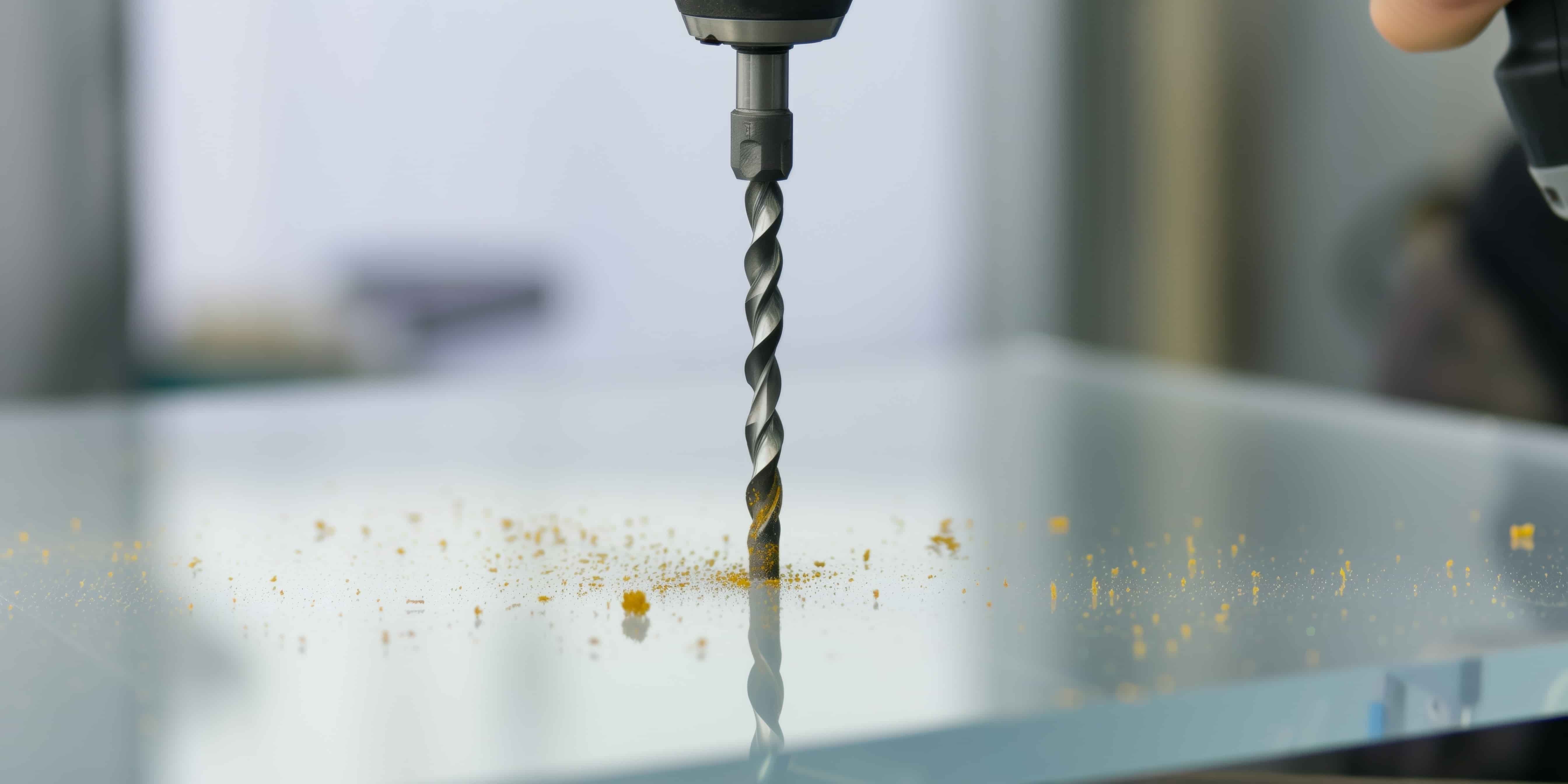
Credit: www.cutmy.co.uk
Frequently Asked Questions
How Do I Prevent Perspex From Cracking While Drilling?
Use a sharp drill bit designed for plastics and drill slowly. Apply gentle pressure and avoid overheating by pausing frequently. Secure the Perspex firmly to prevent movement, and consider using masking tape on the drill site for extra support.
What Drill Bit Works Best For Perspex Drilling?
A sharp, high-speed steel (HSS) or specialized plastic drill bit works best. These bits reduce heat buildup and minimize cracking risks. Avoid using dull or metal bits designed for wood or metal, as they can cause chipping or damage.
Should I Use Water When Drilling Perspex?
Yes, applying water or a lubricant helps keep the drill bit cool. Cooling prevents heat buildup, which can cause Perspex to crack or melt. Use a spray bottle or a wet cloth near the drilling area for best results.
At What Speed Should I Drill Perspex?
Drill at a low to medium speed, around 500-1000 RPM. High speeds generate heat, increasing the risk of cracks. Adjust speed based on Perspex thickness, and always drill slowly with steady pressure.
Conclusion
Drilling Perspex needs care and the right tools. Use a sharp drill bit and low speed. Support the sheet well to avoid cracks. Take your time and do not rush. A small pilot hole helps guide the drill. Cool the area with water if it heats.
These simple steps protect your Perspex from damage. Now, you can drill clean holes safely and easily. Keep practicing to get better results every time.
