


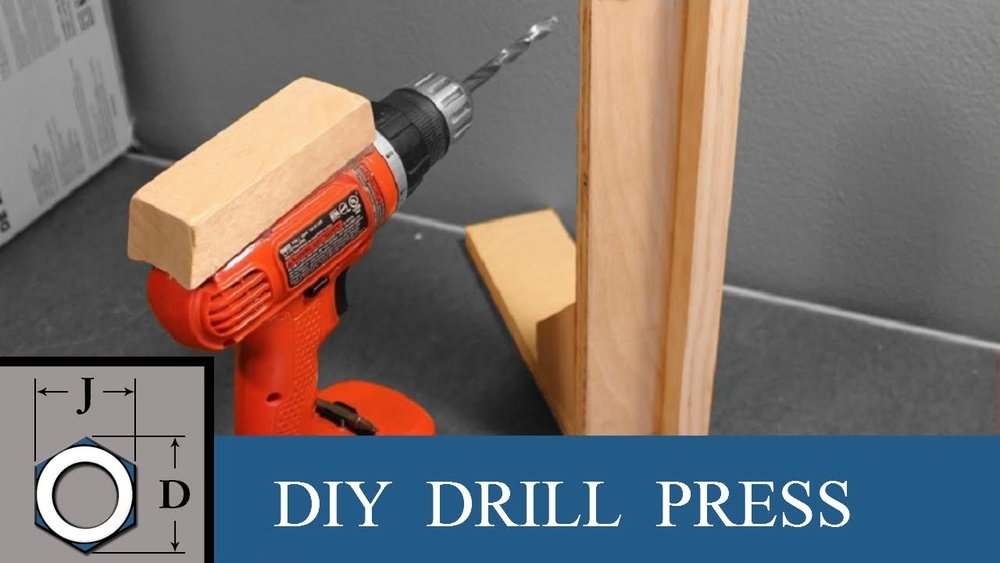
Drilling straight holes can be tricky when you don’t have a drill press. You might have tried before and ended up with uneven, crooked holes that ruin your project.
But what if you could learn simple tricks to drill perfectly straight holes every time, using just your handheld drill? You’ll discover easy, practical tips that will boost your confidence and improve your work instantly. Keep reading, and you’ll never have to worry about angled holes again.
Choosing The Right Drill Bit
Choosing the right drill bit is key for drilling straight holes without a drill press. The drill bit affects how clean and accurate your hole will be. Picking the correct type and size helps guide the bit and reduce wobbling. This section explains which drill bits work best for precision and how to keep them sharp.
Types Of Drill Bits For Precision
Twist drill bits are common and good for many materials. They have a pointed tip that helps center the hole. Brad point bits have a sharp point in the middle. This point keeps the bit from wandering on wood surfaces.
For metal, use cobalt bits. They stay sharp longer and handle heat well. Step drill bits make bigger holes in thin materials. They drill gradually, reducing slip and improving control.
Maintaining Sharpness
Dull bits cause holes to be uneven or off-center. Always check your bits before use. Sharpen them with a grinding tool or buy new ones if needed. Clean bits after each use to remove debris and keep sharp edges.
Proper storage also protects the cutting edges. Use cases or holders to avoid damage. Sharp bits help you drill straight, smooth holes every time.

Credit: www.instructables.com
Preparing The Workpiece
Preparing the workpiece is the first step to drill straight holes without a drill press. It helps keep the drill steady and the hole accurate. Proper preparation saves time and avoids mistakes. Start by marking the exact spot to drill. Then secure the material firmly. These steps ensure better control and cleaner holes.
Marking Accurate Drill Points
Use a pencil or marker to mark the drill spot clearly. Measure twice for accuracy. A small indentation helps guide the drill bit. Use a center punch or nail to make a tiny dent. This prevents the drill bit from slipping. Clear marks improve drilling precision and reduce errors.
Securing The Material
Clamp the workpiece to a stable surface. Use strong clamps or a vise. This stops the material from moving during drilling. Movement causes angled or crooked holes. Hold the clamps tight but avoid crushing the material. A steady workpiece makes drilling easier and safer.
Using Guides And Jigs
Drilling straight holes without a drill press can be tricky. Guides and jigs help keep the drill steady and aligned. They prevent the drill bit from wandering off course. Using guides and jigs makes your holes more accurate and clean. You can use simple tools or buy ready-made guides. Both options work well for straight drilling.
Homemade Drill Guides
Homemade drill guides are easy to make. Use scrap wood or metal to build a small frame. The frame holds the drill bit straight as you drill. Cut a hole in the guide to fit your drill bit tightly. Clamp the guide to your workpiece. This setup stops the drill from moving side to side. You can adjust the guide for different hole sizes. Homemade guides are cheap and customizable. They work well for small projects and quick jobs.
Commercial Angle Guides
Commercial angle guides are available online or in stores. They are designed to hold the drill at a fixed angle. Most angle guides have a base and a drill holder. Some models allow you to set the angle from 0 to 90 degrees. These guides help you drill perfectly vertical or angled holes. They are made from durable materials like metal or plastic. Commercial guides save time and improve accuracy. They are useful for woodworking and metalworking tasks.
Drilling Techniques For Straight Holes
Drilling straight holes without a drill press requires careful technique. Small mistakes can cause the drill bit to wander. Using the right methods helps keep the hole straight and clean.
Focus on controlling the drill speed, pressure, and how you start the hole. These factors work together to improve accuracy. Let’s explore two key techniques for drilling straight holes.
Proper Drill Speed And Pressure
Use a slow to medium drill speed for better control. High speed can make the drill bit slip. It also heats up the material and bit, causing damage.
Apply steady, gentle pressure on the drill. Pressing too hard can bend the bit or shift the drill angle. Too little pressure makes the bit skip on the surface.
Keep the drill steady and let the bit do the work. Adjust speed and pressure as needed to maintain control.
Starting The Hole Correctly
Begin by marking the drill spot with a center punch or nail. This small indentation guides the bit and stops it from slipping.
Hold the drill perpendicular to the surface before starting. Keeping the drill straight at the start helps maintain the hole angle.
Drill slowly at first to create a small, clean entry. Once the bit is seated, increase speed slightly while staying steady.
Checking Alignment During Drilling
Checking alignment during drilling is key to making straight holes. Without a drill press, it takes more care and attention. Small errors in angle can cause crooked holes. Stopping to check helps keep the drill bit on track. This process saves time and material by preventing mistakes.
Use simple tools and your eyes to monitor the drill angle. Notice the drill bit’s path and how it meets the surface. Adjust as needed before drilling too deep. Consistent checks improve accuracy and confidence during the task.
Visual Inspection Tips
Look directly at the drill bit from the front. Make sure it points straight down or at the desired angle. Watch the edge of the hole to see if it widens unevenly. That can mean the drill is off-angle. Stop and reposition the drill to correct the path.
Check the drill bit side-to-side and front-to-back. This helps catch any tilting early. Keep the drill steady and move slowly. Fast drilling reduces control and makes errors more likely.
Using A Square Or Level
Use a carpenter’s square or small level to check the drill angle. Place the square against the work surface near the hole. Hold the drill bit next to the square’s vertical edge. The bit should align closely with the square’s line.
For angled holes, use a small bubble level on the drill itself. Hold it steady to see if the drill is tilted. Adjust the drill until the bubble centers. These tools help maintain consistent angles without guesswork.
Alternative Tools For Accuracy
Drilling straight holes without a drill press can be tricky. Using the right tools helps keep holes accurate and clean. Some hand tools offer control and precision similar to a drill press. These alternatives are easy to find and simple to use. They help beginners and DIYers get better results without extra equipment.
Using A Hand Brace
A hand brace lets you drill slowly and steadily. It has a crank handle that turns the drill bit smoothly. This control reduces wobbling and keeps the hole straight. You can feel the bit as it cuts, adjusting pressure as needed. Hand braces work well for wood and soft materials. They require more effort but give good accuracy without power tools.
Employing A Countersink Bit
A countersink bit guides the drill bit into the material. It starts the hole with a small cone shape, helping the main bit stay centered. This reduces slipping and angled holes. Countersink bits work well with regular drills. They improve accuracy by creating a pilot hole that guides the drill. Use them for wood, plastic, or soft metals to get cleaner, straighter holes.
Common Mistakes To Avoid
Drilling straight holes without a drill press can be tricky. Many beginners make simple mistakes that cause crooked holes. Avoiding these errors improves accuracy and saves time. Focus on key habits that keep your drilling clean and precise. Here are some common mistakes to watch out for.
Skipping Pilot Holes
Many skip pilot holes to save time. This leads to drilling off-center or slipping. Pilot holes guide the drill bit and prevent wandering. Always start with a small pilot hole. It keeps the final hole straight and neat. Skipping this step often causes frustration and poor results.
Ignoring Drill Bit Wear
Dull drill bits cause uneven holes and require more force. Inspect your drill bits regularly for signs of wear. Replace or sharpen dull bits promptly. Using sharp bits reduces slipping and makes drilling easier. Ignoring bit wear lowers hole quality and risks damaging the material.

Credit: blog.lostartpress.com

Credit: www.youtube.com
Frequently Asked Questions
How Can I Drill Straight Holes Without A Drill Press?
Use a drill guide or a homemade jig to stabilize your drill. Clamp the workpiece securely. Drill slowly and keep the drill bit perpendicular to the surface. These steps help maintain accuracy and prevent the bit from wandering.
What Tools Help Drill Straight Holes Without A Press?
Drill guides, angle guides, and dowel jigs are useful. You can also use clamps and a square to align the drill. These tools ensure the drill bit stays straight and improves hole precision without a press.
How Do I Prevent Drill Bits From Slipping?
Mark the drilling spot with a center punch or nail. Start drilling at a slow speed to create a small indentation. This prevents the bit from wandering and ensures the hole is drilled exactly where intended.
Can I Use A Hand Drill For Straight Holes?
Yes, but it requires a steady hand and proper setup. Using a drill guide or jig helps maintain the drill’s angle. Clamping the workpiece firmly also improves control and hole accuracy with a hand drill.
Conclusion
Drilling straight holes without a drill press is possible with care. Use guides, clamps, and steady hands to keep the drill steady. Take your time and check alignment often. Practice on scrap wood to build confidence. These simple tips help you drill more accurately every time.
Small steps lead to better results and less frustration. Keep your tools sharp and your workspace clean. Straight holes improve the quality of your projects and save time. Try these methods and see the difference yourself.
