

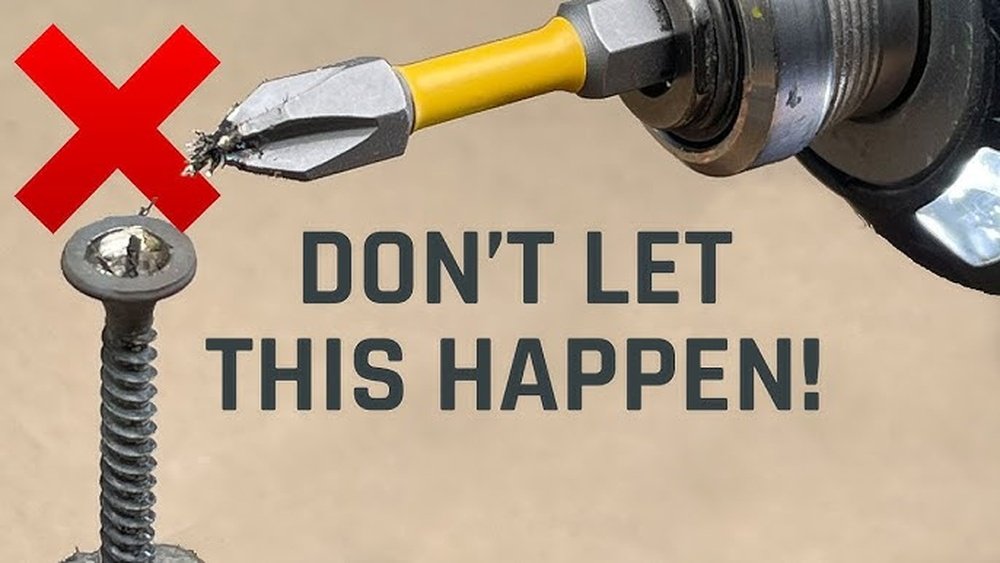
Have you ever faced the frustration of a stripped screw that just won’t budge? You’re not alone, and the good news is you don’t need to call a professional or buy expensive tools.
With your cordless drill and a few simple tricks, you can easily remove that stubborn screw and get your project back on track. Keep reading, and you’ll discover step-by-step how to turn your cordless drill into the ultimate tool for tackling stripped screws quickly and effortlessly.
%20(1).png)
Credit: www.misterworker.com
Reasons Screws Get Stripped
Screws get stripped when their heads lose shape and grip. This happens during driving or removal. Stripped screws make it hard to use a screwdriver or drill. Understanding the reasons helps avoid this problem.
Common Causes
Using the wrong screwdriver size is a top cause. A loose fit can wear out the screw head. Applying too much force also damages the screw. Old or rusty screws break easier. Poor quality screws strip faster. Driving screws at the wrong angle harms the head. Over-tightening leads to stripping as well.
Types Of Stripped Screws
There are several types of stripped screws. A cam-out occurs when the tool slips out. Worn heads lose their grooves, making removal tough. Rounded heads happen after repeated use. Broken screws snap inside the material. Each type needs a different removal approach.
Essential Tools Needed
Removing a stripped screw with a cordless drill needs the right tools. Having these tools ready saves time and effort. You can work safely and get the job done fast.
Choosing The Right Drill Bits
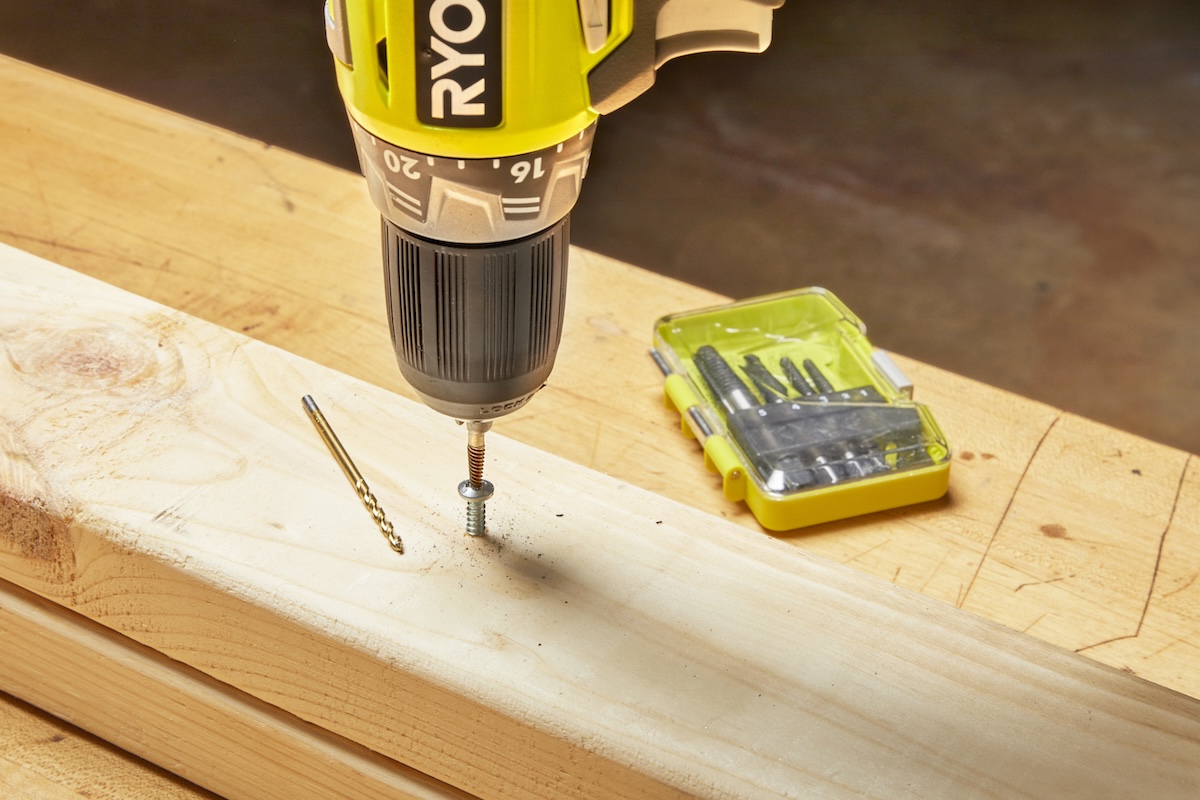
Select drill bits made for stripped screws. Extractor bits grip damaged screw heads firmly. They come in sets with different sizes. Match the bit size to the screw size. Use a drill bit with a strong tip to avoid slipping. A reverse drill bit can help back out stuck screws. Keep your bits sharp and clean for best results.
Additional Helpful Tools
Use pliers to turn screws if the drill bit slips. A rubber band placed over the screw head can improve grip. A small hammer can tap the screw lightly to loosen it. A flashlight helps see the screw better in dark places. Safety glasses protect your eyes from flying debris. Have a steady work surface to avoid accidents.
Preparing The Drill
Preparing your cordless drill is the first step in removing a stripped screw safely and effectively. Proper setup ensures the drill works with the right power and speed. This helps prevent further damage to the screw or the material around it.
Follow simple steps to adjust your drill before starting. This saves time and avoids frustration during the screw removal process.
Adjusting Torque Settings
Torque controls the drill’s twisting force. Set the torque low to avoid slipping on the stripped screw. High torque can damage the screw head more. Start at a low setting and increase slowly if needed. This gives better control and reduces the risk of making the problem worse.
Selecting Drill Speed
Use a slow drill speed for better grip on the stripped screw. High speed may cause the drill bit to slip. Slow speed lets the bit dig into the screw head more firmly. This helps to turn the screw out gently without slipping or stripping more.

Credit: www.keramischparket.nl
Techniques To Remove Stripped Screws
Removing a stripped screw can be tricky. The screw head is damaged, making it hard to grip. Using a cordless drill helps, but you need the right techniques. These methods improve your chances of getting the screw out without damage.
Using Rubber Bands For Grip
Place a wide rubber band over the stripped screw head. Press the drill bit firmly on top. The rubber band fills the gaps and increases grip. Turn the drill slowly to remove the screw. This simple trick works well for slightly damaged screws.
Applying Backward Pressure
Set the drill to reverse mode. Press the drill bit tightly into the screw head. Apply steady backward pressure while turning the drill. This helps the bit bite into the screw. Keep the drill speed low to avoid slipping.
Drilling A Pilot Hole
Use a small drill bit to make a hole in the screw head. Drill gently to avoid going too deep. The hole gives the extractor bit a place to grip. Be careful not to damage the surrounding material. This method works best for very stripped screws.
Using Screw Extractor Bits
Screw extractor bits are designed for stripped screws. Insert the extractor bit into the pilot hole. Set the drill to reverse and turn slowly. The extractor bites into the screw and pulls it out. These bits are a must-have for tough screws.
Preventing Screw Stripping In Future
Preventing screw stripping saves time and frustration. Stripped screws damage workpieces and slow projects. Taking simple steps helps keep screws in good shape. Use the right tools and maintain them well for best results.
Proper Screwdriver Usage
Always choose the correct screwdriver size. A tight fit reduces slipping and stripping. Apply steady pressure while turning the screw. Avoid using worn or damaged bits. Turn screws slowly to keep control. Stop if the screw feels stuck. These habits protect both screws and tools.
Maintaining Drill Equipment
Keep drill bits clean and sharp. Dull bits slip and strip screws more often. Check the drill’s clutch setting before use. Set it to a low torque for delicate work. Regularly inspect bits for damage or wear. Replace old or broken bits quickly. Proper maintenance extends tool life and prevents stripping.
When To Seek Professional Help
Stripped screws can be tough to remove with a cordless drill alone. When the screw is stuck or damaged badly, experts can help avoid more problems. Complex cases may need special tools or techniques beyond basic DIY methods.
Signs You Should Call A Professional
Some stripped screws are hard to remove with a cordless drill. If the screw is deep inside or stuck tight, professional help is best. Professionals have special tools that prevent damage to your project.
If your drill bits keep slipping or breaking, it may cause more harm. A professional can fix the problem without making it worse.
Safety Concerns To Consider
Removing stripped screws can sometimes lead to accidents. If the screw is near electrical wiring or fragile parts, avoid trying to remove it yourself. Professionals know how to handle these safely.
Protecting yourself from injury is important. When unsure about the risks, call an expert for help.
When Damage Is Beyond Repair
Sometimes the screw or surrounding material is too damaged to fix easily. If your attempts cause cracks or holes, a professional can repair or replace the parts correctly.
Trying to fix severe damage alone can waste time and money. Experts have the skills to restore your item properly.
Credit: www.bobvila.com
Frequently Asked Questions
How Can A Cordless Drill Help Remove Stripped Screws?
A cordless drill provides controlled power and torque. It grips stripped screws better than manual tools. Using the right drill bit improves removal success. It saves time and effort compared to traditional methods.
What Drill Bit Works Best For Stripped Screws?
A screw extractor bit is ideal for stripped screws. It grips the damaged screw firmly. Using the correct size extractor bit ensures effective removal. Standard drill bits may worsen the screw’s condition.
Can I Use A Cordless Drill Without Damaging Materials?
Yes, use low speed and controlled pressure. Avoid excessive force to prevent damage. Selecting the right drill bit size helps protect surrounding materials. Cordless drills offer adjustable torque settings for precision.
Why Does My Cordless Drill Slip On Stripped Screws?
Slipping usually occurs due to worn or wrong drill bits. Incorrect speed and torque settings also cause slippage. Using an extractor bit and adjusting drill settings reduces slipping. Proper alignment of the drill bit is essential.
Conclusion
Using a cordless drill to remove stripped screws saves time and effort. Choose the right drill bit for a better grip. Apply steady pressure and drill slowly to avoid damage. Small steps can make a big difference. Practice patience, and the screw will come out easier.
Keep your tools clean and ready for next time. This simple method works well for many projects. Try it yourself and see how smooth the process can be.
