


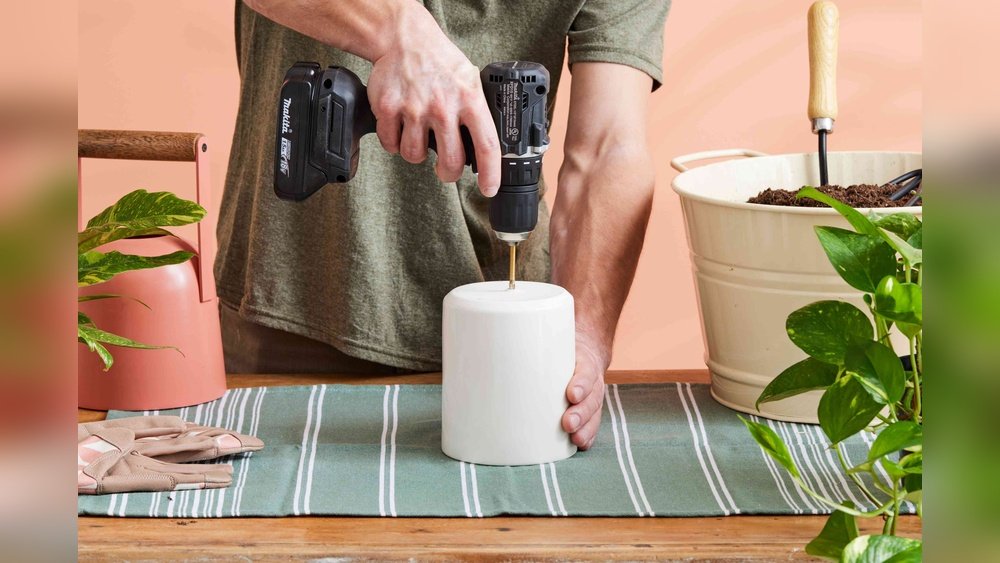
If you love gardening, you know how important proper drainage is for your plants. But what if your beautiful ceramic plant pot doesn’t have holes?
You might worry about cracking it or making a mess. Don’t worry—drilling holes in ceramic pots is easier than you think, and it can save your plants from soggy roots. In this guide, you’ll learn simple, step-by-step tips to drill holes safely and effectively, even if you’ve never done it before.
Keep reading, and soon your plants will thank you with healthier growth!

Credit: www.youtube.com
Tools Needed
Drilling holes in ceramic plant pots needs the right tools. Using proper equipment makes the job easier and safer. It also helps avoid cracks or damage to your pots. Below, find the key tools you need for this task.
Choosing The Right Drill
Select a drill with variable speed control. This helps you start slow and avoid breaking the ceramic. Cordless drills are good for small jobs. For bigger pots, a corded drill gives more power. Make sure the drill is easy to hold steady.
Selecting Drill Bits
Use diamond-tipped or carbide-tipped drill bits. These bits cut through ceramic smoothly. Avoid regular wood or metal bits; they can crack the pot. Pick a bit size that matches the hole you want. Smaller bits start the hole, then switch to larger ones.
Safety Gear Essentials
Wear safety glasses to protect your eyes from dust and chips. Use gloves to protect your hands from sharp edges. A dust mask keeps ceramic dust out of your lungs. Work in a well-ventilated area or outside for best safety.
Preparing The Pot
Preparing the ceramic pot is the first step before drilling holes. This step helps avoid cracks and ensures clean holes. Proper preparation makes the drilling process safer and easier. Follow these simple steps to get your pot ready.
Cleaning The Surface
Wipe the pot with a damp cloth to remove dirt and dust. Clean surfaces help the drill bit grip better. Make sure the pot is dry before drilling. A clean pot reduces slipping and breaks.
Marking Hole Positions
Decide where you want the holes. Use a pencil or marker to make small marks. Check the marks twice to avoid mistakes. Accurate marks guide the drill and keep holes straight.
Securing The Pot
Place the pot on a stable surface. Use a clamp or put a towel under it to stop movement. Holding the pot firmly prevents slips and cracks. A steady pot makes drilling safer and neater.
Drilling Techniques
Drilling holes in ceramic plant pots needs special care. The right techniques prevent cracks and breakage. Using proper methods makes the process smooth and safe. This section covers key drilling techniques for ceramic pots.
Starting The Hole
Place the pot on a stable surface. Use masking tape over the spot to drill. It stops the drill bit from slipping. Hold the drill steady and start slowly. Apply light pressure to make a small dent. This guides the drill and protects the pot.
Maintaining Drill Speed
Keep the drill speed moderate, not too fast. High speed heats the ceramic and causes cracks. Use steady, even pressure while drilling. Let the drill bit do the work. Stop if you hear cracking sounds or see dust flying.
Cooling Methods
Drilling heats the ceramic, which can cause damage. Use water or a wet cloth to cool the area. Spray water gently while drilling. Pause often to let the pot cool down. Cooling keeps the ceramic safe and extends drill bit life.
Handling Common Issues
Drilling holes in ceramic plant pots can be tricky. Small problems often happen during the process. Knowing how to handle these issues saves your pot and time. This section focuses on common problems and how to fix them.
Preventing Cracks
Cracks appear when pressure is too strong or uneven. Use a drill with a diamond bit for smooth cutting. Start drilling slowly to avoid sudden force. Keep the pot wet to reduce heat and stress. Support the pot well to stop movement during drilling.
Dealing With Chips
Chips happen around the hole edges. Use painter’s tape on the drill spot to protect the surface. Drill gently and avoid pushing too hard. Clean chips away with a soft brush. Sand edges lightly to smooth rough spots after drilling.
Fixing Mistakes
Mistakes like off-center holes or cracks can be fixed. Use waterproof epoxy to fill small cracks or chips. For bigger holes, glue a small ceramic patch inside the pot. Let repairs dry completely before using the pot. These fixes help keep your pot useful and neat.
Finishing Touches
After drilling holes in your ceramic plant pots, the work is not quite done. The finishing touches ensure your pot stays safe and looks neat. These steps protect the pot and help your plants grow better. Follow these simple tasks to complete the job perfectly.
Smoothing The Edges
The drilled hole often has sharp or rough edges. Use fine sandpaper or a nail file to smooth these edges. Take your time and gently rub around the hole. This prevents chips and stops cuts when handling the pot.
Cleaning Debris
Drilling creates dust and small ceramic pieces inside and outside the pot. Brush away the dust with a soft cloth or a small brush. Rinse the pot carefully with water to remove tiny particles. Clean pots keep plants healthy and avoid clogging the hole.
Sealing The Hole
Sealing the hole protects the pot from cracking further. Apply a clear waterproof sealant around the edges. Let the sealant dry fully before using the pot. This step strengthens the hole and extends the pot’s life.

Credit: www.youtube.com
Alternative Methods
Drilling holes in ceramic pots can be tricky. Some tools work better than others. Alternative methods offer safe and effective ways to make holes without breaking the pot.
Using A Hole Saw
A hole saw is a circular saw blade attached to a drill. It cuts clean and precise holes. Use a diamond-tipped hole saw for ceramics. Mark the spot on your pot before drilling. Keep the drill speed low to avoid cracks. Cool the area with water to reduce heat. This method works well for larger holes.
Employing A Rotary Tool
A rotary tool is small and versatile. It uses different bits to grind or cut. Choose a diamond or carbide bit for ceramics. Start with slow speed and steady pressure. Use water to cool the surface. This method suits small or detailed holes. It gives more control and reduces breakage risk.
:max_bytes(150000):strip_icc()/SPR-how-to-drill-a-hole-in-a-ceramic-pot-8584910-hero-9d1f095f09f541e0ad63aa0947bc26cf.jpg)
Credit: www.thespruce.com
Frequently Asked Questions
How Do I Safely Drill Holes In Ceramic Plant Pots?
Use a diamond-tipped drill bit and wear safety goggles. Start with a small hole at low speed. Keep the pot wet to reduce heat and prevent cracking. Drill slowly and apply gentle pressure for best results.
What Tools Are Best For Drilling Ceramic Pots?
A drill with a diamond or carbide-tipped bit works best. These bits cut through ceramic smoothly. Using a water spray or soaking the pot before drilling reduces heat and damage. Avoid regular drill bits to prevent cracks.
Can I Drill Holes In Glazed Ceramic Pots?
Yes, but drill carefully to avoid chipping the glaze. Use a diamond drill bit and keep the surface wet. Start drilling at a slow speed and increase pressure gradually. Glazed pots require extra patience and care.
Why Should I Drill Drainage Holes In Ceramic Pots?
Drainage holes prevent waterlogging and root rot. They allow excess water to escape, promoting healthy plant roots. Proper drainage improves soil aeration and plant growth. Drilling holes in ceramic pots ensures better plant health.
Conclusion
Drilling holes in ceramic pots helps plants grow better. Use the right drill bit and take your time. Keep water nearby to cool the pot while drilling. Always wear safety glasses to protect your eyes. Work slowly to avoid cracking the pot.
With patience, you can make perfect drainage holes. This simple skill improves plant health and pot use. Try it yourself and see the difference it makes. Your plants will thank you with stronger roots and happier growth.
