


Are you planning to drill into a metal door but unsure where to start? Drilling into metal can feel tricky, especially if you want a clean hole without damaging your door.
But don’t worry—this guide will walk you through simple, step-by-step instructions to make the job easy and safe. By the end, you’ll have the confidence and know-how to handle your metal door like a pro. Ready to get started? Let’s dive in!
Choosing The Right Drill And Bits
Choosing the right drill and bits is key to drilling into a metal door safely and effectively. The right tools make the job easier and prevent damage to the door or drill. Understanding different drill bits and the power of your drill helps you prepare well.
Types Of Drill Bits For Metal
Use drill bits made specifically for metal. High-speed steel (HSS) bits are common and work well for thin metal. Cobalt bits last longer and handle harder metals. Titanium-coated bits reduce friction and heat. Carbide bits are the strongest and best for very hard metals.
Select bits that match the thickness and type of your metal door. Sharp bits give cleaner holes and reduce slipping. Replace dull bits to avoid rough edges and tool damage.
Selecting Drill Power And Speed
Choose a drill with enough power to handle metal. Corded drills provide steady power. Cordless drills offer freedom and good control but may lack strength for thick metal.
Use slower drill speeds to avoid overheating the bit and metal. High speeds wear out bits faster and can damage the door. Start slow, then adjust speed as needed. A steady, firm pressure helps drill through metal smoothly.
Preparing The Metal Door
Preparing a metal door for drilling is an important step. It helps ensure the holes are accurate and clean. Proper preparation reduces mistakes and keeps the door safe from damage. Taking time to get ready makes the job easier and faster.
Marking Drill Points Accurately
Use a pencil or marker to mark where you want to drill. Measure twice to avoid errors. Use a ruler or tape measure for exact spots. Small marks help guide the drill bit. Check the marks from both sides of the door if possible. This prevents misaligned holes.
Securing The Door For Stability
Keep the door steady before drilling. Use clamps or a sturdy workbench to hold it. A moving door causes uneven holes and risks injury. Make sure the door will not shift during drilling. Stable support improves control and safety.
Drilling Techniques For Clean Holes
Drilling clean holes in a metal door needs careful technique. Clean holes look better and fit hardware well. They also stop the metal from bending or cracking. Using the right methods makes the job easier and safer. Below are two key techniques for clean drilling.
Using Pilot Holes
Start with a small pilot hole before drilling the full size. A pilot hole guides the bigger drill bit. It helps keep the drill steady and prevents slipping. This step reduces heat and metal damage. Use a drill bit smaller than the final hole size. Drill slowly and steadily for best results.
Applying Proper Pressure And Speed
Apply firm, even pressure on the drill. Too much pressure can break the drill bit. Too little pressure wastes time and causes rough holes. Use a slow to medium drill speed. High speed creates heat and can damage the metal. Let the drill bit do the work. Pause occasionally to cool the bit if needed.

Credit: www.familyhandyman.com
Preventing Common Drilling Issues
Drilling into a metal door can be tricky. Common issues can slow you down or damage your tools. Preventing these problems saves time and effort. Focus on two main challenges: bit slippage and heat build-up.
Avoiding Bit Slippage
Bit slippage happens when the drill bit moves off the mark. This can scratch the door or make the hole uneven. To stop this, start with a small pilot hole. Use a center punch to make a small dent. It helps the bit stay in place. Hold the drill steady and apply firm pressure. Use drill bits made for metal for better grip.
Managing Heat Build-up
Drilling metal creates heat quickly. Too much heat dulls the drill bit and can damage the door. Use slow drill speed to control heat. Pause often to let the bit cool down. Apply cutting oil or lubricant to reduce friction. Keep the drill bit sharp for cleaner cuts and less heat. Cooling the bit improves its lifespan and performance.
Post-drilling Care
After drilling into a metal door, taking good care of the drilled area is important. Proper care helps keep the door safe and lasting longer. Small steps can prevent damage and rust. It also keeps the door looking neat and clean.
Removing Burrs And Sharp Edges
Drilling creates rough edges and burrs around the hole. These can cause cuts or damage to the door. Use a metal file or sandpaper to smooth these edges. Rub gently until the surface feels even. Clean the area to remove metal dust and particles. This step makes the door safer to handle and improves its look.
Protecting The Door From Rust
Drilling breaks the door’s protective layer. Exposed metal can start to rust quickly. Apply a rust-resistant primer or paint on the drilled area. Use a small brush for precise coverage. Let the paint dry completely to form a strong shield. This helps stop moisture from causing rust. Keep the door dry and clean to extend its life.

Credit: www.wikihow.com

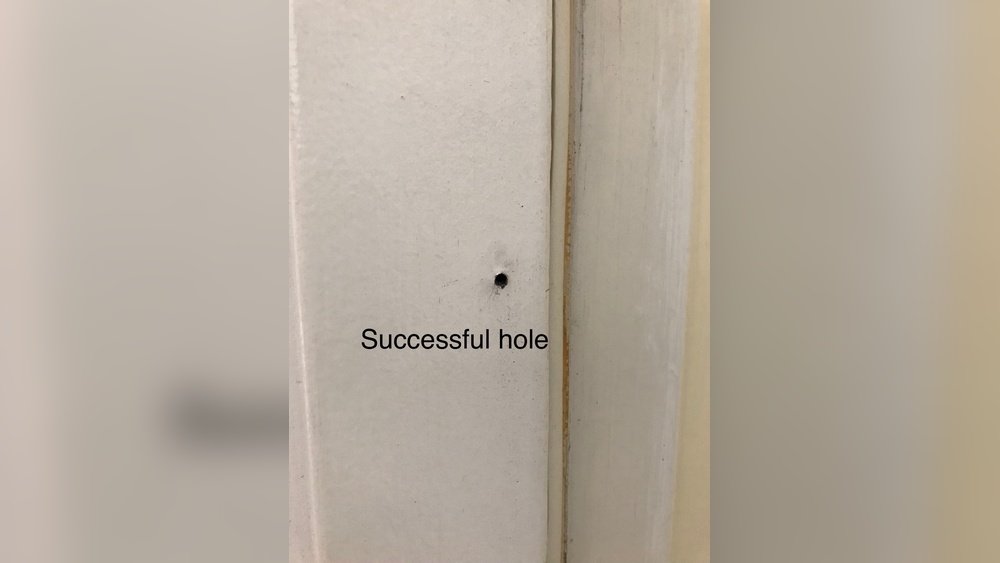
Credit: www.reddit.com
Frequently Asked Questions
What Tools Are Needed To Drill Into A Metal Door?
You need a power drill, metal drill bits, safety goggles, and a marker. Choose the right drill bit for the metal thickness. Use a clamp to secure the door for safety and precision.
How Do I Prevent Metal Door Damage When Drilling?
Start with a small pilot hole to guide the drill bit. Use masking tape to reduce metal scratches. Drill at a slow speed to avoid overheating and metal warping.
What Drill Bit Type Works Best On Metal Doors?
Cobalt or titanium-coated drill bits are ideal for metal. They stay sharp longer and resist heat well. Use a sharp bit to ensure a clean, smooth hole without damaging the door.
How To Avoid Drill Bit Slipping On A Metal Door?
Mark the drilling spot clearly and use masking tape for grip. Begin drilling at a low speed to create a notch. This helps the bit stay steady and prevents slipping.
Conclusion
Drilling into a metal door can be simple with the right tools. Always wear safety gear to protect yourself. Mark the spot clearly before you start drilling. Use a drill bit made for metal to avoid damage. Take your time and go slow to keep control.
Clean up metal shavings to prevent injury. With practice, you will feel more confident. Safety and patience make the job easier and safer. Keep these tips in mind for successful drilling every time.
