


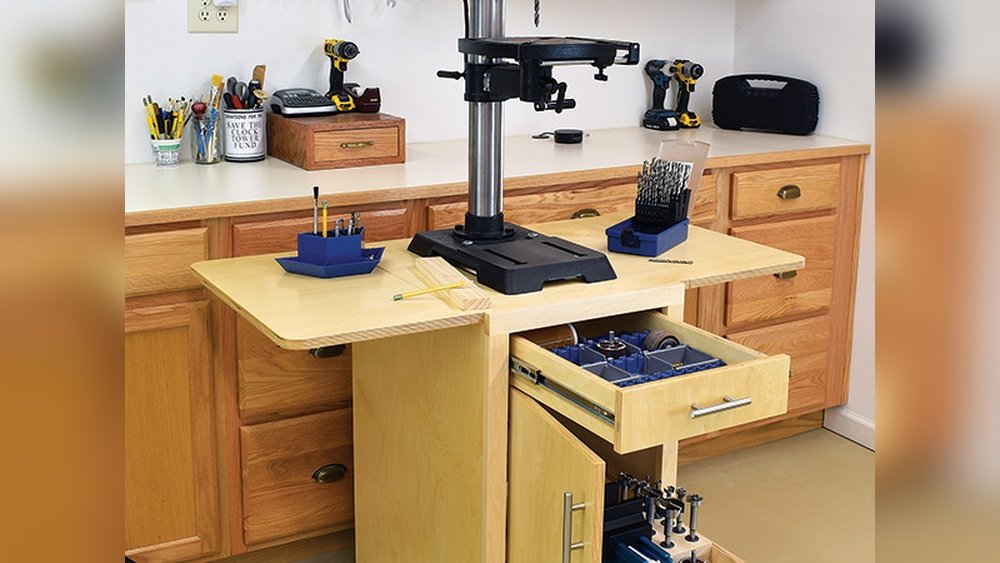
Are you planning to move your drill press and wondering if it’s safe to lay it on its side? You might be worried about damaging your valuable tool or facing unexpected problems later.
Knowing the right way to handle your drill press during a move can save you time, money, and frustration. You’ll discover the best practices for moving your drill press safely and whether laying it on its side is a good idea.
Keep reading to protect your equipment and make your move smooth and hassle-free.
Credit: kmtools.com
Risks Of Laying A Drill Press On Its Side
Laying a drill press on its side during moving can cause several problems. This action might harm the tool’s parts, affect its precision, and create safety risks. Understanding these dangers helps protect your drill press and keeps you safe during transport.
Potential Damage To Internal Components
Drill presses have delicate parts inside. Laying the machine on its side can shift these parts. Bearings, gears, and belts may get damaged or misaligned. Oil and lubrication can leak or spread unevenly. This damage reduces the drill press’s lifespan and performance.
Impact On Alignment And Calibration
Drill presses need precise alignment to work well. Laying the machine sideways can disturb this alignment. The spindle and table may become off-center. Calibration settings might change without notice. This leads to inaccurate drilling and poor results in your projects.
Safety Hazards During Transport
Moving a drill press on its side can cause safety issues. The machine may slip or fall during transport. Sharp edges or heavy parts might injure you or others. Unstable positioning increases the risk of accidents. Secure and upright transport is the safest method.
Proper Methods For Moving A Drill Press
Moving a drill press requires care to avoid damage and ensure safety. Proper methods help keep the machine stable and protect its parts. Follow clear steps to prepare and transport your drill press safely.
Securing The Drill Press For Transport
Start by unplugging the drill press from power. Remove any loose parts like chucks or bits. Wrap the drill press in a moving blanket or padding. Use straps or ropes to hold it tightly. Secure moving parts to stop them from shifting. This reduces risk of damage during transport.
Recommended Positions For Moving
Keep the drill press upright if possible. This position protects the motor and bearings. Laying it on its side can cause oil leaks or part misalignment. If you must lay it down, place it gently on the base or a flat surface. Avoid resting it on the table or head. Always check the drill press manual for specific advice.
Using Appropriate Equipment And Tools
Use a dolly or hand truck to move heavy drill presses. Secure the drill press to the equipment with straps. Wear gloves to improve grip and protect your hands. Get help from another person for large or heavy machines. Moving slowly and carefully prevents accidents and damage.
Precautions Before And After Moving
Moving a drill press requires care to keep it safe and working well. You must take certain steps before and after moving. These steps help avoid damage and keep the machine ready for use. Follow these precautions to protect your drill press during the move.
Inspecting For Loose Parts
Check all screws, bolts, and fasteners before moving. Tighten anything that feels loose. Loose parts can fall off or cause damage during transport. Inspect belts and pulleys as well. Secure them to prevent slipping or breaking.
Checking Electrical Connections
Unplug the drill press before moving it. Inspect the power cord for cuts or damage. Replace damaged cords before use. Make sure plugs and switches work properly. Loose or faulty electrical parts can cause hazards.
Realigning And Testing After Relocation
After moving, set the drill press on a flat surface. Check if the machine is stable and level. Realign the drill bit and table if needed. Test the motor and controls carefully. Confirm the drill press runs smoothly before work.
Common Mistakes To Avoid
Moving a drill press requires care and attention. Many make mistakes that can damage the machine or cause injury. Avoid these common errors to keep the drill press safe and working well.
Ignoring Manufacturer Guidelines
Always read the manual before moving the drill press. Manufacturers provide specific instructions for transport. Ignoring these can lead to broken parts or voided warranties. Follow weight limits and recommended positions strictly.
Skipping Safety Gear
Never move heavy tools without proper safety gear. Gloves protect your hands from sharp edges. Steel-toed shoes guard your feet from falling objects. Safety glasses shield your eyes from dust and debris.
Rushing The Moving Process
Take your time when moving the drill press. Hurrying increases the chance of dropping or tipping it. Plan the path and clear obstacles ahead. Move slowly to keep control and avoid accidents.
Tips For Long-term Drill Press Care
Taking good care of your drill press extends its life and keeps it working well. Simple habits prevent damage and save money on repairs. Follow these tips for long-term drill press care. They help maintain performance and avoid common problems.
Regular Maintenance Checks
Check the drill press parts often. Look for loose screws, worn belts, and oil leaks. Clean dust and debris from the machine. Lubricate moving parts as the manual suggests. Regular checks stop small issues from growing.
Proper Storage Practices
Store the drill press in a dry place. Avoid damp or dusty areas. Cover the machine to protect it from dirt. Keep it upright and stable on a flat surface. Proper storage prevents rust and mechanical problems.
Handling During Future Moves
Always move the drill press carefully. Avoid laying it on its side unless recommended. Use padding to protect sensitive parts. Secure loose components before moving. Proper handling lowers the risk of damage during transport.
Credit: kmtools.com
Credit: kmtools.com
Frequently Asked Questions
Can A Drill Press Be Laid On Its Side Safely?
Yes, a drill press can be laid on its side temporarily. Ensure it is secure and cushioned to avoid damage during moving. Avoid prolonged sideways storage to protect internal components and maintain tool alignment.
What Precautions Should I Take When Moving A Drill Press?
Secure the drill press firmly and cushion it well. Avoid sudden impacts and keep it upright if possible. Disconnect power and remove any loose parts before moving.
Will Laying A Drill Press On Its Side Damage It?
Laying it briefly on its side usually won’t cause damage. However, extended periods may harm internal parts or alignment. Always handle with care and avoid excessive pressure on delicate components.
How To Protect A Drill Press When Transporting It?
Use padding and secure straps to keep it stable. Place it in a sturdy box or crate. Keep it upright if possible and avoid stacking heavy items on top.
Conclusion
Moving a drill press on its side is possible but needs care. Secure all parts to avoid damage during transport. Protect the machine from bumps and drops. Keep the drill press steady and avoid shaking. Proper handling helps keep your tool working well.
Always check the manual for specific moving tips. This way, your drill press stays safe and ready for work.
