

Stuck with a hardened steel bolt that won’t budge no matter how hard you try? You’re not alone.
Removing these tough bolts can feel frustrating and even impossible. But what if you could learn a simple, step-by-step method to drill it out safely and effectively? You’ll discover exactly how to tackle that stubborn bolt without damaging your equipment or wasting time.
Keep reading, and you’ll gain the confidence and skills to handle this common but tricky problem like a pro.
Credit: www.reddit.com
Tools Needed
Drilling out a hardened steel bolt requires the right tools. The tools must be strong and precise. Using the wrong tools can damage your work or cause injury. This section covers the essential tools needed to get the job done safely and effectively.
Drill Types
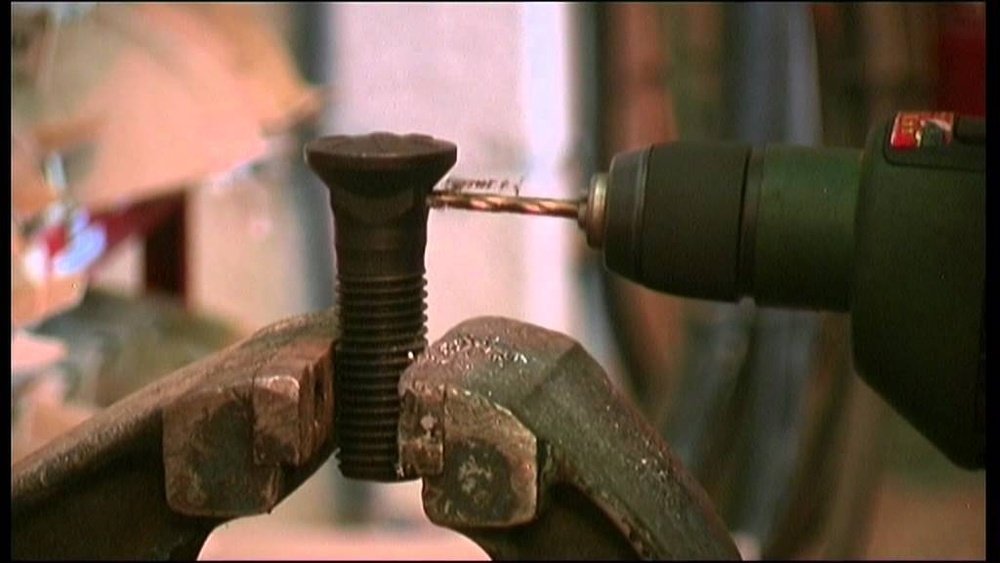
A powerful drill makes drilling easier and faster. A corded drill offers steady power for tough bolts. Battery-powered drills give more freedom but may lose power quickly. Choose a drill with variable speed control for better accuracy. A hammer drill is not needed here; a regular drill works best.
Drill Bits For Hardened Steel
Hardened steel needs special drill bits. Use cobalt or titanium-coated bits for strength and durability. These bits stay sharp longer and resist heat. Start with a small bit to create a guide hole. Then use larger bits to widen the hole slowly. Avoid cheap bits; they break easily on hard steel.
Safety Gear
Safety is very important during drilling. Wear safety glasses to protect your eyes from metal shards. Gloves protect your hands from sharp edges and hot surfaces. Use ear protection if the drill is loud. Wear a dust mask to avoid breathing metal dust. Always secure the bolt or workpiece firmly before drilling.

Credit: www.youtube.com
Preparation Steps
Preparing to drill out a hardened steel bolt is essential. Taking the right steps first makes the job safer and easier. Proper preparation helps avoid damage to your tools and the surrounding materials.
Focus on cleaning, lubricating, and marking the bolt. Each step improves accuracy and efficiency in drilling. Start with a clean surface, then apply oil, and finally mark the center for drilling.
Cleaning The Bolt
Remove dirt, rust, and grease from the bolt surface. Use a wire brush or steel wool for best results. Cleaning ensures a clear view and better grip for the drill bit. It also prevents slipping during drilling.
Applying Penetrating Oil
Apply penetrating oil to loosen the bolt’s tight threads. Use a small brush or spray for even coverage. Let the oil soak for at least 10-15 minutes. This softens rust and reduces friction while drilling.
Marking The Center
Mark the exact center of the bolt head before drilling. Use a center punch or a sharp nail to make a small dent. This guides the drill bit and stops it from wandering. Accurate marking improves drilling precision.
Drilling Techniques
Drilling a hardened steel bolt requires careful techniques to avoid breaking the drill bit or damaging the material. Using the right drilling methods helps make the process easier and safer. Focus on speed control, starting with a pilot hole, and keeping the drill bit cool.
Choosing The Right Speed
Use a slow speed for drilling hardened steel. High speed creates heat and can ruin the drill bit. Slow speeds reduce friction and help keep the bit sharp. Match the speed to the drill bit size. Larger bits need slower speeds for better control.
Using A Pilot Hole
Start with a small pilot hole before drilling the full size. The pilot hole guides the larger bit and reduces stress. It also helps the drill bit stay straight. Drill the pilot hole slowly to prevent slipping or wandering.
Cooling Methods
Cooling the drill bit prevents overheating and extends its life. Use cutting oil or lubricant during drilling. Stop often to let the bit cool down. Applying water or oil keeps the metal cool and reduces friction. Keep the bit clean from metal shavings for smoother drilling.
Handling Common Issues
Drilling out a hardened steel bolt can be tough. Problems often come up during the process. Knowing how to handle common issues helps you finish the job safely and quickly. This section covers common problems and easy fixes.
Dealing With Bit Breakage
Drill bits can break when drilling hardened steel. Use a slow drill speed to avoid overheating. Apply steady, light pressure to reduce stress on the bit. Choose high-quality, cobalt or carbide bits made for hard metals. Stop drilling if the bit feels stuck. This prevents snapping inside the hole.
Removing Bolt Fragments
Bits may break off inside the bolt. Use small pliers or tweezers to pull out loose pieces. If fragments are deep, try a magnet or an easy-out extractor. Drill carefully around the fragments to avoid pushing them deeper. Clean the area well before trying again.
Preventing Damage To Surrounding Material
Protect nearby surfaces from scratches or dents. Use a piece of tape around the bolt to shield the surrounding area. Clamp a thin metal plate between the drill and the surface for extra safety. Avoid pushing too hard to stop slipping or slipping. Work slowly and watch your progress closely.
Alternative Methods
Sometimes, drilling out a hardened steel bolt can be tricky. The bolt might be too tough or stuck very tight. In such cases, using different methods helps. These alternatives can make the task easier and safer. Below are some useful ways to try.
Using An Impact Driver
An impact driver delivers strong, sudden force to the bolt. It helps break loose bolts that won’t turn. Use the right bit size to avoid damage. Hold the driver firmly and hit it with a hammer. The impact loosens the bolt without stripping it. This tool works well on bolts stuck by rust or tight fitting.
Heat Application
Heat can expand the metal around the bolt. Use a propane torch to heat the bolt carefully. Heat softens rust and adhesives holding the bolt. Avoid overheating to prevent damage to nearby parts. After heating, try turning the bolt with a wrench. The heat often makes the bolt easier to remove.
Chemical Bolt Removers
Chemical removers help dissolve rust and corrosion. Apply the product according to the instructions on the label. Let it sit for the recommended time. The chemicals break down rust and loosen the bolt grip. Use gloves and work in a ventilated area. This method is gentle and effective for rusted bolts.
Post-drilling Tips
After drilling out a hardened steel bolt, taking the right steps is important. These post-drilling tips help prepare the hole for a new bolt. They also protect the parts from future problems.
Cleaning The Hole
Remove any metal shavings left inside the hole. Use a small brush or compressed air to clean it well. This stops dirt from blocking the new bolt. Clean holes help bolts fit tightly and last longer.
Preparing For Replacement Bolt
Check the hole size to match the new bolt. Smooth the edges with a file if needed. Apply a little oil or anti-seize to the new bolt threads. This makes future removal easier and reduces rust.
Preventing Future Seizures
Use anti-seize lubricant on all bolt threads before installing. Tighten bolts to the right torque, not too tight or loose. Regularly check bolts for rust or wear. These steps stop bolts from getting stuck again.
.jpg)
Credit: ibuildit.ca
Frequently Asked Questions
How Do You Prepare To Drill A Hardened Steel Bolt?
Start by securing the bolt and wearing safety gear. Use a center punch to mark the drill spot. Select a high-speed steel or cobalt drill bit for durability. Apply cutting oil to reduce heat and friction during drilling.
What Drill Bit Works Best For Hardened Steel Bolts?
Cobalt drill bits are ideal for drilling hardened steel bolts. They resist heat and maintain sharpness longer than standard bits. High-speed steel bits with titanium coating also work well but cobalt is preferred for toughness and precision.
How Can I Prevent Drill Bit Damage On Hardened Bolts?
Use cutting oil to cool the bit and reduce friction. Drill at a slow, steady speed without forcing the bit. Clear metal shavings frequently to avoid clogging. Let the drill bit cool if it becomes hot during the process.
What Steps Follow After Drilling Out A Hardened Bolt?
Once drilled, use a bolt extractor to remove the bolt remains. Clean the hole to remove debris. Inspect the threads and re-tap if necessary before installing a new bolt. This ensures proper fit and prevents future damage.
Conclusion
Drilling out a hardened steel bolt takes patience and the right tools. Use a sharp drill bit and steady pressure to avoid damage. Keep the area cool with oil to stop overheating. Take your time and check progress often. This method helps remove stuck bolts safely.
Practice these steps for better results next time. Hard work pays off in the end.
