

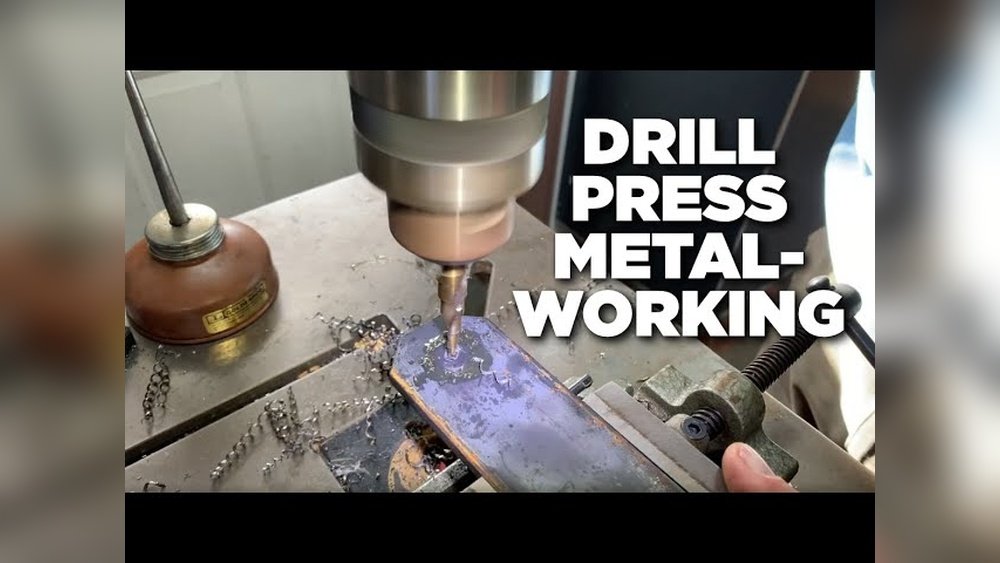
Are you wondering if you can use a drill press on metal? If you’ve ever faced the challenge of drilling precise holes in metal, you know it’s not always easy.
Using the right tools can make the job faster, cleaner, and safer. But is a drill press the tool you need? You’ll discover exactly how a drill press works with metal, what you need to watch out for, and tips to get the best results every time.
Keep reading—your next metal project could be much simpler than you think.
Choosing The Right Drill Press
Choosing the right drill press is essential for working with metal safely and efficiently. Metal requires specific tools due to its hardness and density. A drill press made for woodworking may not handle metal well. Selecting the correct type ensures better control and cleaner holes. It also protects your tools and improves your work quality.
Types Suitable For Metal
Metalworking drill presses differ from woodworking models. They have stronger motors and sturdier frames. A benchtop drill press can work for thin metal sheets. Floor-standing drill presses suit thicker metal pieces. Magnetic drill presses are great for steel beams and heavy jobs. Choose a type that matches the size and thickness of your metal.
Key Features To Consider
Look for variable speed control. Metal drilling often needs slower speeds. A strong motor of at least ⅓ to ½ horsepower helps. A solid, heavy base reduces vibration. This improves accuracy and safety. Check for adjustable depth stops to control hole depth. A good drill press also has a reliable chuck for tight grip on bits. These features make metal drilling easier and more precise.
Selecting Proper Drill Bits
Selecting the right drill bits is key for drilling metal with a drill press. The correct bit ensures clean holes and longer tool life. It reduces heat and wear during drilling. Using the wrong bit can cause damage to the metal or the drill.
Choosing the proper drill bit depends on the metal type and thickness. Different metals need different materials and designs for efficient drilling. The bit must be strong enough to cut through metal without dulling quickly.
Best Materials For Metal Drilling
High-Speed Steel (HSS) bits are common for metal drilling. They are tough and affordable. They work well on soft metals like aluminum and mild steel.
Cobalt drill bits contain cobalt alloy for extra heat resistance. They last longer on hard metals like stainless steel. Cobalt bits stay sharp even under high heat.
Tungsten Carbide bits are very hard and resist wear. They are best for drilling very hard metals and tough materials. These bits are more expensive but very durable.
Common Drill Bit Types
Twist drill bits are the most used type for metal. They have a spiral shape that helps remove metal chips. They work on most metals and are easy to find.
Step drill bits are cone-shaped and drill different hole sizes. They are good for thin metal sheets and make clean holes.
Center drill bits create a small guide hole before drilling. They prevent the main drill bit from slipping on metal surfaces.
Preparing The Metal Surface
Preparing the metal surface is a key step before using a drill press. It helps make clean, accurate holes and keeps the work safe. Taking time to prepare the metal ensures a smooth drilling process and better results.
Cleaning And Marking
Start by cleaning the metal surface. Remove dirt, oil, and rust with a cloth or brush. A clean surface stops the drill from slipping.
Next, mark the exact spot to drill. Use a marker or center punch to make a small dent. This dent guides the drill bit and prevents it from wandering.
Securing The Workpiece
Hold the metal firmly in place. Use clamps or a vise to secure it on the drill press table. This stops the metal from moving during drilling.
Never hold the metal by hand. Moving metal can cause poor holes and risk injury. Proper securing keeps the work steady and safe.
Setting Drill Speed
Setting the right drill speed is key when using a drill press on metal. It affects the quality of the hole and the life of the drill bit. Too fast can cause overheating. Too slow can make drilling hard and uneven. Adjust speed based on the metal and drill bit size.
Speed Recommendations For Different Metals
Soft metals like aluminum need higher speeds. This helps cut clean holes without sticking. Hard metals like stainless steel require slower speeds. Slower speeds reduce heat and protect the bit. For medium metals like mild steel, use a moderate speed. Always test on scrap metal first.
Adjusting For Bit Size
Smaller drill bits spin faster than larger ones. Large bits cut slower to avoid too much heat. Match the speed to the bit size for smooth drilling. Change speed settings if you switch to a different bit. This keeps the drill bit sharp and the hole precise.
Drilling Techniques
Drilling metal with a drill press requires careful techniques. Proper methods ensure clean holes and protect your tools. Using the right approach reduces wear on drill bits and prevents mistakes. Focus on steady actions and good preparation for the best results.
Applying Consistent Pressure
Keep steady pressure on the drill press handle. Too much force can break the drill bit. Too little pressure causes the bit to slip or overheat. Let the drill bit do the work slowly and steadily. Press evenly to avoid uneven holes or tool damage.
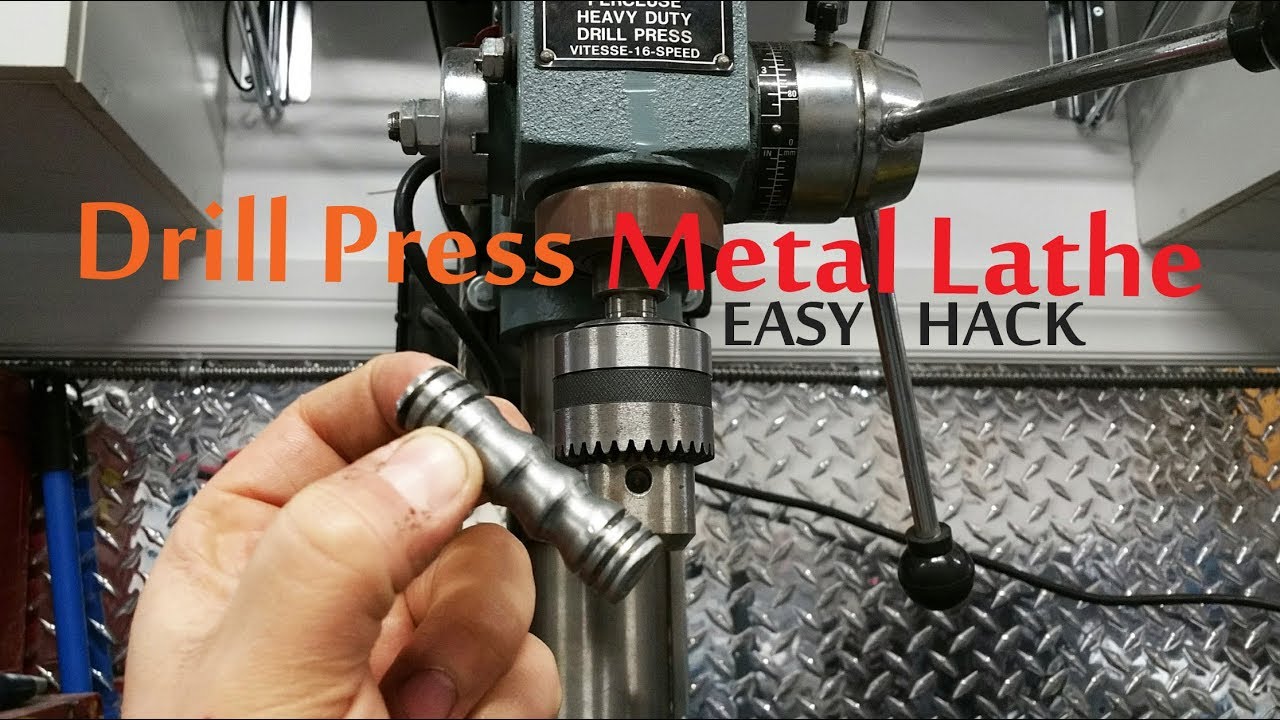
Using Cutting Lubricants
Apply cutting oil or lubricant to the metal surface. Lubricants reduce heat and friction during drilling. This helps the drill bit last longer and cut cleaner holes. Use a small brush or dropper to add lubricant often. Keep the drill bit cool and sharp for better performance.
Credit: www.youtube.com
Safety Precautions
Working with a drill press on metal requires careful attention to safety. Metal drilling can cause sharp chips, sparks, and loud noise. Taking the right precautions helps prevent injuries and accidents. Proper preparation makes the work smooth and safe.
Protective Gear
Wear safety goggles to protect your eyes from flying metal chips. Use ear protection to guard against loud noise. Gloves help protect your hands from sharp edges but avoid loose gloves that can catch in the drill. Wear close-fitting clothes and tie back long hair.
Avoiding Common Hazards
Secure the metal piece firmly using a clamp or vise. Loose metal can spin and cause injury. Keep hands away from the drill bit while operating. Turn off the drill press before adjusting the setup. Clear away metal shavings often to prevent slipping or cuts.
Troubleshooting Common Issues
Using a drill press on metal can sometimes lead to common problems. These issues can slow down your work or damage your tools. Knowing how to fix these problems helps you work better and safer.
Dealing With Bit Slippage
Bit slippage happens when the drill bit slips out of the metal or chuck. This can cause uneven holes and damage the bit. Make sure the drill bit is tight in the chuck. Use the right type of bit for metal drilling. Slow down the speed if the bit slips. Apply steady pressure without forcing the drill. Check the bit for wear and replace if dull.
Handling Overheating
Overheating occurs when the drill bit gets too hot. This can ruin the bit and damage the metal. Use cutting oil or lubricant to keep the bit cool. Pause often to let the bit cool down. Lower the drill speed to reduce heat. Use sharp bits to cut more efficiently. Keep the drill press clean to avoid extra friction.

Credit: www.familyhandyman.com
Maintenance Tips For Drill Press
Proper maintenance keeps your drill press working well on metal. It helps avoid problems and extends the tool’s life. Regular care also makes drilling safer and more accurate.
Cleaning And Lubrication
Clean the drill press after every use. Remove metal shavings and dust from all parts. Use a brush or cloth to clear the table and base. Avoid water; use a dry or slightly damp cloth.
Lubricate moving parts like the spindle and gears often. Use light machine oil to reduce friction. This prevents rust and keeps the drill running smoothly. Do not over-lubricate; too much oil can attract dirt.
Inspecting For Wear
Check belts and pulleys for cracks or damage. Replace worn parts to keep the drill press safe. Look at the chuck to ensure it grips bits tightly. Inspect electrical cords for cuts or frays to avoid hazards.
Test the motor and switches regularly. Listen for unusual sounds or vibrations. Address small issues early to prevent bigger repairs. Keep all screws and bolts tight to maintain stability.

Credit: www.instructables.com
Frequently Asked Questions
Can A Drill Press Effectively Drill Metal?
Yes, a drill press can effectively drill metal. It provides stability and precise control, ensuring accurate holes. Use the correct drill bit and adjust speed for different metal types to avoid damage and overheating.
What Drill Bit Is Best For Metal Drilling?
High-speed steel (HSS) and cobalt drill bits are best for metal. They maintain sharpness and resist heat. Choose the bit size based on the hole diameter needed for clean, precise holes in metal.
How Do You Prevent Metal From Overheating?
Use a slower drill speed and apply cutting oil or lubricant. This reduces friction and heat buildup, prolonging bit life. Regularly clear metal shavings to maintain efficient drilling and prevent overheating.
Is A Drill Press Safer Than A Handheld Drill On Metal?
Yes, a drill press is safer for metal drilling. It secures the workpiece and keeps the bit aligned. This reduces the risk of slips, injuries, and inaccurate holes compared to handheld drilling.
Conclusion
Using a drill press on metal works well for many projects. It gives you steady, precise holes every time. Choose the right drill bit and speed for the metal type. Keep safety gear on and work slowly to avoid mistakes.
With care, a drill press can handle metal easily. This tool saves time and effort compared to hand drilling. Small adjustments make a big difference in your results. Practice a bit before starting your main task. You will see better accuracy and cleaner holes.
A drill press is a smart choice for metal work.
