


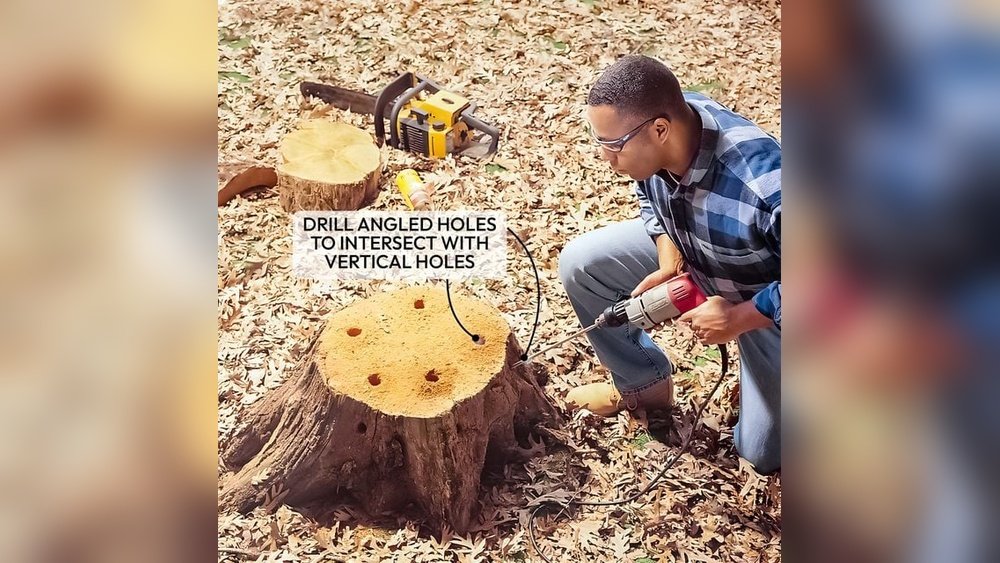
Have you ever looked at a tree stump in your yard and wondered how to make a neat hole in it? Whether you want to create a planter, install a bird feeder, or add some unique décor, drilling into a tree stump can be easier than you think.
But if you’re unsure where to start or worried about damaging your tools, you’re in the right place. This guide will walk you through simple, step-by-step tips to drill a clean hole safely and effectively. Keep reading, and you’ll gain the confidence to turn that stump into something useful and eye-catching.
Choosing The Right Tools
Choosing the right tools is key to drilling a hole in a tree stump efficiently. Using the correct equipment makes the job easier and safer. It also helps protect the stump and your tools from damage. Understanding the types of drill bits, the best drill to use, and the necessary safety gear will prepare you for the task.
Types Of Drill Bits
Not all drill bits work well on wood stumps. For best results, use auger bits or spade bits. Auger bits create clean, deep holes and remove wood chips quickly. Spade bits are flat and good for wide, shallow holes. Avoid metal bits; they dull fast on wood. Choose bits with sharp edges and sturdy shafts.
Selecting The Drill
Pick a drill with enough power to handle tough wood. Corded drills offer constant power and don’t run out of battery. Cordless drills provide freedom to move but check battery life. A drill with variable speed control helps adjust drilling speed. Choose one with a comfortable grip for better control. Ensure the drill’s chuck fits your drill bits securely.
Safety Gear Essentials
Protect yourself before starting. Wear safety goggles to shield your eyes from wood chips. Use gloves to prevent blisters and protect your hands. Ear protection helps reduce noise from the drill. A dust mask keeps you from inhaling wood dust. Dress in close-fitting clothes to avoid getting caught in the drill.
Preparing The Tree Stump
Preparing a tree stump is the first step before drilling a hole. Proper preparation makes drilling easier and safer. It also helps to get a clean and accurate hole. Take time to get the stump ready. This will save effort and prevent mistakes.
Cleaning The Surface
Remove any dirt, leaves, or debris from the stump surface. Use a brush or cloth to wipe the area clean. A clean surface helps the drill bit grip the wood better. It also stops dirt from getting inside the hole. Make sure the surface is dry before you start drilling.
Marking The Drill Spot
Decide where you want to drill the hole on the stump. Use a pencil or marker to make a clear spot. Marking helps you drill in the right place. It prevents mistakes and saves time. Double-check the spot to ensure it is correct.
Checking For Obstructions
Look closely at the stump for nails, screws, or hard knots. These can damage the drill bit or cause accidents. Tap the stump with a hammer to listen for hollow spots. Avoid drilling into rotten or weak wood. Clear any obstructions before you begin drilling.
Drilling Techniques
Drilling a hole in a tree stump requires careful technique to achieve clean results. Using the right methods helps avoid damage and makes the task easier. Understanding how to hold the drill, control its speed, and clear debris improves your work quality. The following sections explain key drilling techniques to guide you through the process.
Proper Drill Angle
Hold the drill straight to the stump surface. A 90-degree angle ensures the hole is clean and deep. Tilting the drill causes uneven holes and can damage the bit. Keep your wrist steady and aligned with the drill. This control makes drilling safer and more effective.
Controlling Speed And Pressure
Start drilling at a slow speed to avoid slipping. Apply gentle pressure, letting the drill bit do the work. Pressing too hard can break the bit or crack the wood. Increase speed gradually as the bit bites deeper. Steady speed and pressure produce smooth holes without extra effort.
Managing Wood Debris
Wood chips can block the drill and slow progress. Pull the drill out occasionally to clear debris from the hole. Use a brush or cloth to wipe the bit clean. Keeping the hole clear prevents overheating and keeps drilling efficient. Clean work areas also reduce accidents and improve accuracy.

Credit: aatreeservicema.com
Post-drilling Care
After drilling a hole in a tree stump, care is important to keep the stump healthy and safe. Proper post-drilling steps help prevent damage and decay. Taking the right actions ensures the stump lasts longer and stays strong.
Removing Drill Bits Safely
Turn off the drill before pulling out the bit. Pull the drill bit out straight and slowly. Avoid twisting the bit to stop splintering the wood. Use gloves to protect your hands from sharp edges. Keep the drill bit clean for future use.
Sealing The Hole
Use wood sealant or tree wound dressing to cover the hole. This stops water and insects from entering. Apply a thin, even coat over the entire hole. Let the sealant dry fully before touching the stump. Sealing helps the stump heal and prevents rot.
Maintaining The Stump
Check the stump regularly for signs of decay or pests. Keep the area around the stump clear of debris. Water the stump lightly during dry periods. Avoid using harsh chemicals near the stump. Regular care keeps the stump strong and healthy after drilling.
Common Mistakes To Avoid
Drilling a hole in a tree stump seems simple but can be tricky. Many people make mistakes that cause damage or injury. Avoiding these errors helps you finish the job safely and cleanly.
Pay close attention to your technique and tools. Small errors can lead to big problems. Learn the common mistakes and how to avoid them for better results.
Overheating The Drill Bit
Using too much pressure or drilling too fast causes the bit to overheat. Overheated bits become dull and break easily. Let the drill work at a steady speed. Take breaks to cool the bit if needed.
Drilling At Incorrect Angles
Starting the hole at a wrong angle causes the drill to slip or bend the bit. Hold the drill straight and steady. Keep the bit perpendicular to the stump surface for a clean hole.
Ignoring Safety Precautions
Skipping safety gear leads to injuries. Always wear gloves and eye protection. Keep your hands away from the drill bit. Work in a clear area to avoid accidents. Safety is key for a smooth task.
:max_bytes(150000):strip_icc()/SPR-ways-to-kill-a-tree-stump-7500817-step-05-dc4ab2454c6049658d89aa3aaaf4d976.jpg)
Credit: www.thespruce.com
Tips For Different Stump Types
Drilling a hole in a tree stump requires different methods depending on the stump type. Each type has unique features that affect the drilling process. Knowing these tips helps you drill safely and effectively.
Softwood Vs Hardwood
Softwood stumps are easier to drill. The wood fibers are looser and less dense. Use a standard drill bit and moderate pressure. Go slow to avoid splintering the wood.
Hardwood stumps need more effort. They are dense and tough. Use a sharp, heavy-duty drill bit. Apply steady, firm pressure. Take breaks to prevent the drill from overheating.
Dealing With Old Or Rotten Stumps
Old stumps often have soft, rotten spots inside. These areas drill quickly but can cause the bit to catch or get stuck. Use a slower drill speed. Check the stump for weak spots before drilling. Wear gloves to protect from sharp debris.
Outdoor Vs Indoor Stumps
Outdoor stumps may have dirt, rocks, or insects inside. Clean the stump surface before drilling. Use a drill bit designed for tough materials. Be prepared for unexpected resistance.
Indoor stumps usually have fewer contaminants. Drilling is smoother but keep the area clean. Use a dust collector or vacuum to reduce mess. Always protect indoor floors and furniture from dust.

Credit: www.youtube.com
Frequently Asked Questions
How Do I Drill A Hole In A Tree Stump Safely?
Use a sharp drill bit and wear safety gear like goggles and gloves. Secure the stump to prevent movement. Drill slowly to avoid splintering and apply steady pressure for a clean hole.
What Drill Bit Is Best For Tree Stump Holes?
A spade bit or auger bit works best for drilling into wood stumps. Choose the size based on the hole diameter you need. These bits efficiently cut through tough, fibrous wood.
Can I Drill A Hole In A Rotting Tree Stump?
Yes, but rotting wood is softer and may require less pressure. Use a slower drill speed to avoid further damage. Inspect the stump for stability before drilling.
How Deep Should I Drill Into A Tree Stump?
The depth depends on your project needs. Typically, 2 to 4 inches is enough for planting or inserting items. Avoid drilling too deep to maintain stump stability.
Conclusion
Drilling a hole in a tree stump is simple with the right steps. Use a sharp drill bit and steady pressure. Mark the spot clearly before you start. Keep the drill straight for best results. Always wear safety gear to protect yourself.
Taking your time helps avoid mistakes and damage. This task helps with gardening, repairs, or creative projects. Practice makes the process easier and faster. Enjoy your work and the results you achieve.
