


Drilling straight with a hand drill might seem tricky, but it’s easier than you think. If you’ve ever struggled with crooked holes or uneven drilling, you’re not alone.
Getting it right can save you time, prevent mistakes, and make your projects look professional. You’ll discover simple tips and tricks that help you drill perfectly straight every time. Ready to improve your skills and avoid costly errors? Keep reading, because mastering this basic technique will make a big difference in your work.
Choosing The Right Drill And Bit
Choosing the right drill and bit is key for drilling straight holes. The right tools help keep the drill steady and accurate. They also make the job easier and faster.
Not all hand drills are the same. Each type fits different tasks and skill levels. Picking the right bit ensures clean, precise holes without damage.
Types Of Hand Drills
Hand drills come in various styles. A simple brace drill uses a crank for slow, controlled drilling. It offers good control but needs more effort.
A hand-powered eggbeater drill has a gear system for faster rotation. It suits light to medium tasks and is easy to handle.
Hand drills with pistol grips provide better grip and control. They allow steady pressure and help keep the drill straight. These are great for beginners and small projects.
Selecting Drill Bits For Precision
Choose drill bits based on the material you work with. For wood, brad point bits create clean holes without splinters.
Twist bits work well for metal and plastic. Sharp edges and proper size keep holes straight.
Use smaller bits for pilot holes to guide larger bits. Pilot holes reduce slipping and improve accuracy.
Always check bits for sharpness. Dull bits cause wobbling and uneven holes.
Credit: learn.kregtool.com
Preparing Your Workpiece
Preparing your workpiece is the first step to drilling straight holes. It helps ensure accuracy and safety. Taking time to prepare makes the drilling process smoother. This preparation reduces mistakes and keeps the material stable.
Marking Drill Points Accurately
Mark the exact spots where you want to drill. Use a pencil or a marker for clear visibility. A center punch can create a small dent on the mark. This dent helps guide the drill bit and prevents slipping. Measure twice to avoid errors. Precise marks lead to straight holes.
Securing The Material
Hold the material firmly before drilling. Use clamps or a vise to keep it still. A moving workpiece can cause crooked holes or injury. Check that the clamps do not block the drill path. Secure the material at a comfortable height. Stability is key to drilling straight and safe.
Body Positioning And Grip
Body positioning and grip are key to drilling straight with a hand drill. They help you control the tool and keep the drill bit aligned. Good posture reduces fatigue and improves accuracy. A firm, steady grip prevents slipping and keeps the drill steady.
Proper Stance For Stability
Stand with your feet shoulder-width apart. This stance gives balance and support. Keep your weight evenly distributed on both feet. Slightly bend your knees to stay relaxed and ready. Position your body directly behind the drill. This alignment helps push the drill straight down. Avoid leaning too far forward or backward. A stable stance reduces unwanted movement during drilling.
Holding The Drill Correctly
Hold the drill with your dominant hand on the handle. Wrap your fingers around firmly, but not too tight. Use your other hand to support the front of the drill. This second hand guides the drill and keeps it steady. Keep your wrists straight, not bent or twisted. A straight wrist helps apply even pressure. Grip the drill firmly to avoid slipping. Proper hand placement improves control and precision.
Starting The Drill Hole
Starting a drill hole with a hand drill needs care and attention. A straight hole begins with the first touch of the drill bit to the surface. This step sets the path for the rest of the drilling. Two important actions help ensure accuracy: creating a pilot hole and maintaining drill alignment. These steps keep the hole straight and clean.
Creating A Pilot Hole
A pilot hole is a small, shallow hole made before the main drilling. It guides the larger drill bit and keeps it from slipping. Mark the spot with a pencil or punch to prevent the bit from wandering. Start drilling slowly and press lightly. The pilot hole anchors the bit, making the main hole more precise. This simple step saves time and avoids mistakes.
Maintaining Drill Alignment
Hold the drill steady and keep it at the right angle. Check the drill’s position often by eye or with a square tool. Keep your wrist firm but not too tight. Move the drill smoothly and straight down into the material. Avoid tilting or shifting during the drilling. Good alignment reduces damage and produces a clean, straight hole. Focus on control rather than speed for best results.
Drilling Techniques For Straight Holes
Drilling straight holes with a hand drill requires good technique. Proper control and steady hands help keep the drill bit aligned. This section explains key drilling techniques that improve hole accuracy. Follow these tips to make your drilling tasks easier and more precise.
Applying Even Pressure
Apply steady, even pressure on the drill. Too much force can bend the bit or cause it to slip. Too little pressure may make the drill wander off the mark. Keep your hands firm but relaxed. Let the drill bit do the cutting work. Press straight down to maintain the correct angle. This helps the hole stay straight and clean.
Controlling Drill Speed
Use the right speed for your material. Slow speed works best for hard materials like metal. Faster speed suits softer materials like wood. Avoid pushing the drill too fast. High speed may cause the bit to overheat or break. Keep a consistent speed to guide the bit smoothly. This control helps keep the hole straight and prevents damage.

Credit: www.youtube.com
Using Guides And Accessories
Using guides and accessories helps drill straight holes with a hand drill. These tools keep the drill steady and prevent it from wobbling. They are useful for both beginners and experienced users. Guides and accessories improve accuracy and save time.
Drill Guides And Jigs
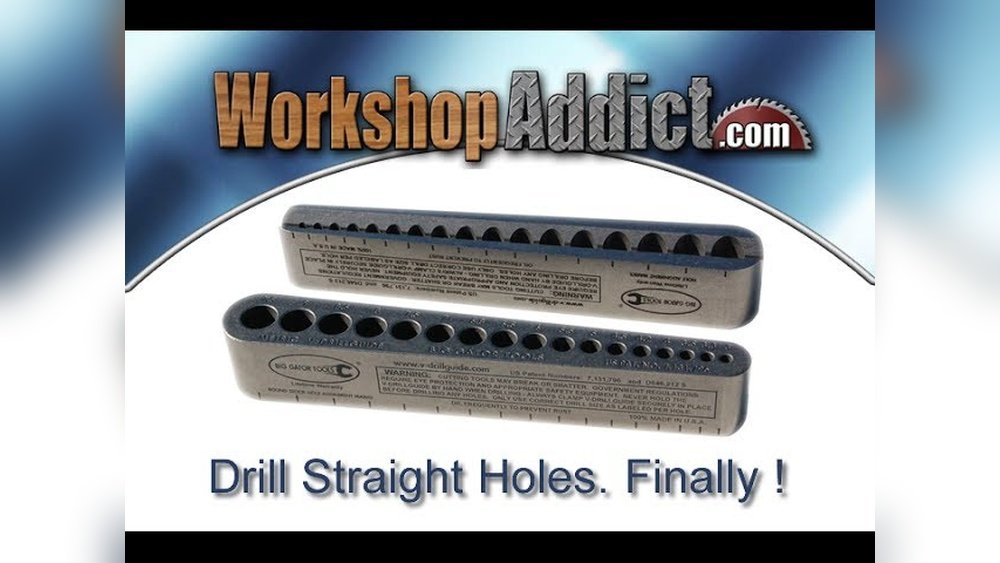
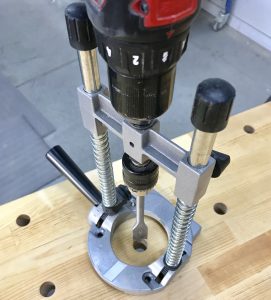
Drill guides and jigs hold the drill at a fixed angle. They attach to the workpiece or drill itself. This ensures the drill bit stays straight while drilling. Many guides have adjustable angles for different projects. Using a drill guide reduces mistakes and makes holes more precise. They are small, easy to use, and affordable.
Diy Alignment Tools
You can make simple alignment tools at home. A wooden block with a straight groove works well. Place the block on the workpiece and guide the drill bit through the groove. Another idea is to use a square to check angles before drilling. DIY tools help keep the drill steady and straight. They save money and improve your drilling results.
Common Mistakes To Avoid
Drilling straight with a hand drill can be tricky for beginners. Many common mistakes can make your holes crooked or uneven. Knowing these mistakes helps you avoid them and get better results.
Tilting The Drill
Tilting the drill causes angled holes instead of straight ones. Keep the drill perpendicular to the surface. Use guides or marks to keep the drill steady. A tilted drill can also damage the material or the drill bit.
Forcing The Drill
Forcing the drill puts too much pressure on the bit. This can bend or break the bit. Let the drill do the work at a steady speed. Press gently and keep control to avoid mistakes.

Credit: www.instructables.com
Finishing Touches
Finishing touches are important for a clean and precise hole. They improve the look and function of your work. Taking time for these steps makes a big difference in the final result.
Cleaning The Hole
Remove all dust and wood chips from the drilled hole. Use a small brush or a soft cloth to clean inside. This prevents blockages and helps screws or bolts fit well. A clean hole also stops damage to tools and materials.
Checking For Straightness
Check the hole’s angle to ensure it is straight. Use a small level or try fitting a straight rod. This confirms the hole is aligned as planned. Straight holes make assembly easier and stronger.
Frequently Asked Questions
How Do I Keep A Hand Drill Straight While Drilling?
Use a guide block or clamp a square to the workpiece. Steady your hand and drill slowly for better control. Check alignment frequently to maintain a straight drilling path.
What Tools Help Drill Straight With A Hand Drill?
A drill guide, square, or jig helps keep drilling straight. These tools stabilize the drill and ensure consistent angles. Using a pilot hole also improves accuracy.
How To Avoid Drill Bit Wandering On Wood?
Start with a small pilot hole to prevent wandering. Use a sharp bit and apply steady pressure. Secure the wood firmly to reduce movement during drilling.
Can Hand Drill Accuracy Improve With Practice?
Yes, consistent practice improves hand-eye coordination and control. Practice on scrap wood to develop a steady grip and drilling technique. Over time, you’ll drill straighter holes consistently.
Conclusion
Drilling straight takes focus and steady hands. Use a guide or mark your spot clearly. Keep the drill steady and apply gentle pressure. Check your angle often to stay on track. Practice makes drilling easier and more accurate. Follow these tips to improve your results every time.
You’ll find straight holes become simple and quick. Stay patient and take your time with each hole. Good drilling skills help your projects look neat and professional. Keep practicing, and you will see great progress.
