


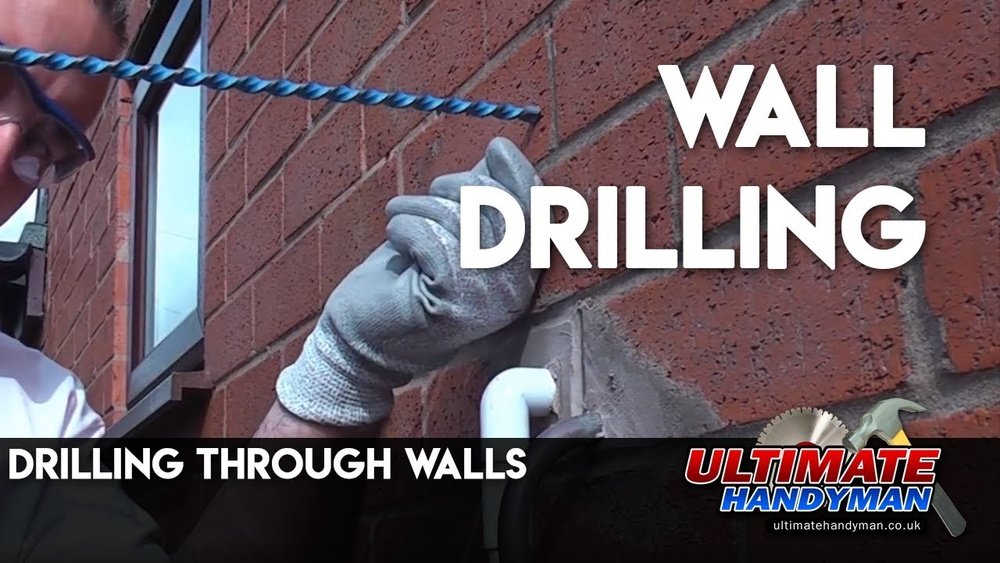
Are you ready to run cables through your walls but unsure how to start? Drilling a hole through a wall might sound tricky, but with the right steps, you can do it safely and easily.
Imagine having your cables neatly hidden, giving your space a clean, organized look. In this guide, you’ll discover simple tips and clear instructions that make the whole process smooth and stress-free. Keep reading, and you’ll gain the confidence to tackle this project yourself, saving time and money while improving your home setup.

Credit: www.reddit.com
Tools And Materials Needed
Drilling a hole through a wall for cable installation needs the right tools and materials. Having the proper equipment makes the job easier and safer. This section covers what you need to get started.
Choosing The Right Drill
Pick a drill that fits the wall type. A cordless drill works well for most homes. For concrete or brick walls, use a hammer drill. Make sure the drill has enough power to handle tough materials.
Selecting Drill Bits
Use drill bits made for the wall material. Wood walls need standard twist bits. Masonry walls require carbide-tipped bits. Choose the right size bit to match your cable thickness. This helps create a clean hole without damage.
Safety Gear Essentials
Wear safety glasses to protect your eyes from dust and debris. Use ear protection if the drill noise is loud. Gloves protect your hands from rough edges. A dust mask keeps you safe from inhaling particles.
Additional Supplies
Have a measuring tape to mark the drilling spot. Painter’s tape can help mark the wall and reduce chipping. Keep a vacuum or brush nearby to clean dust. A level ensures your hole stays straight and neat.
Preparing The Wall
Preparing the wall is the first step before drilling a hole for your cable. It helps avoid mistakes and keeps the work safe. Proper preparation makes drilling easier and faster.
Take your time to check the wall carefully. This prevents damage to pipes, wires, or the wall itself. A well-prepared wall means a clean hole and a smooth cable run.
Locating The Drilling Spot
Choose a spot that matches your cable length and device position. Look for a place free from switches or outlets. Pick a spot that is easy to reach from both sides of the wall.
Checking For Obstacles
Use a stud finder or wall scanner to find hidden pipes or wires. Avoid drilling near electrical cables to prevent shocks. Check both sides of the wall to be sure the area is clear.
Marking The Drill Point
Mark the exact spot using a pencil or tape. Make a small dot to guide your drill bit. Double-check the mark from both sides to ensure accuracy.
Drilling Techniques
Drilling a hole through a wall for cable requires careful technique. Using the right method makes the task easier and safer. It also protects your walls from damage. This section covers key steps for proper drilling.
Setting Up The Drill
Choose a drill with a suitable power level for your wall. Attach the correct drill bit size for the cable hole. Mark the exact spot on the wall with a pencil. Wear safety goggles and gloves before starting. Make sure the drill’s speed is set to low or medium. Check the drill’s battery or power cord to ensure it works well.
Drilling Through Different Wall Types
For drywall, use a standard twist bit and drill gently. Avoid pushing too hard to prevent cracks. Brick and concrete need a masonry bit and hammer drill mode. Drill slowly and let the tool do the work. Wooden walls require a wood bit; drill straight and steady. For plaster, drill slowly and watch for cracks. Always know your wall type before drilling.
Maintaining Drill Stability
Hold the drill firmly with both hands. Keep the drill perpendicular to the wall surface. Use a steady, even pressure without forcing the drill. Pause if the drill bit gets stuck or overheats. Clear dust from the hole regularly with a brush or air blower. A steady drill helps make a clean hole and protects your wall.

Credit: www.youtube.com
Running The Cable
Running the cable through the drilled hole is a key step in your project. This part requires care to keep the cable safe and working well. Proper handling prevents damage and ensures long-lasting results. Follow these simple steps to run your cable smoothly.
Protecting The Cable
Use a plastic conduit or sleeve to protect the cable. This stops the cable from rubbing against sharp edges. Sharp edges can cut or damage the cable over time. The conduit also helps keep the cable in place. Choose a conduit size that fits your cable comfortably.
Inserting Cable Through The Hole
Slowly push the cable through the drilled hole. Avoid forcing it, which can cause damage. Use a fish tape or wire puller for easier guiding. Make sure the cable does not twist or kink. Keep the cable straight to avoid internal damage.
Securing The Cable
Fix the cable with clips or cable ties near the hole. This prevents movement that can wear down the cable. Leave a little slack to avoid tension. Secure the cable every few feet for neatness and safety. Proper securing extends the cable’s life and performance.
Finishing Touches
Finishing touches complete the job of drilling a hole through the wall for a cable. These final steps protect your work and improve its look. They also help keep cables safe and secure. Taking time here makes a big difference in the long run.
Sealing The Hole
Seal the hole to stop air and moisture from entering. Use silicone sealant or caulk around the cable. This prevents drafts and water damage inside the wall. Smooth the sealant with a finger or tool for a clean finish. Let it dry fully before moving on.
Cleaning The Work Area
Clear dust and debris from the drilling spot. Use a brush or vacuum to clean the wall and floor. Removing mess keeps your space safe and neat. It also prevents dirt from entering the hole and cable area.
Inspecting The Installation
Check the cable and hole for any issues. Make sure the cable fits well and the seal is tight. Look for cracks or loose edges around the hole. Fix any problems to avoid future damage or cable faults. A quick inspection saves trouble later.
Common Mistakes To Avoid
Drilling a hole through a wall for cables seems simple. Many make mistakes that cause problems or dangers. Avoid these common errors to save time and stay safe.
Drilling Without Checking For Wires
Always check for hidden wires before drilling. Accidentally hitting a live wire can cause shocks or fire. Use a wire detector or consult a professional. This step protects you and your home.
Using Incorrect Drill Bits
Choose the right drill bit for your wall type. Masonry bits suit brick or concrete walls. Wood bits work on wooden walls. Wrong bits can damage the wall or drill. They also make the job harder.
Ignoring Safety Precautions
Wear safety goggles and gloves to protect yourself. Keep your work area clear of clutter. Avoid loose clothing that can catch in the drill. Take your time and work carefully. Safety prevents accidents and injuries.

Credit: www.reddit.com
Frequently Asked Questions
How Do I Safely Drill A Hole Through A Wall?
First, check for wires or pipes using a detector. Use a suitable drill bit for the wall type. Wear safety goggles and drill slowly to avoid damage.
What Tools Are Needed To Drill A Wall Hole For Cable?
You need a power drill, masonry or wood drill bits, a measuring tape, pencil, and safety gear like goggles and gloves.
How To Choose The Right Drill Bit For Wall Holes?
Select masonry bits for brick or concrete walls, and wood bits for drywall. The bit size should match your cable diameter for a snug fit.
Can I Drill Through Any Wall For Cable Installation?
Not all walls are suitable. Avoid load-bearing, insulated, or wet walls. Always check wall structure and local building codes before drilling.
Conclusion
Drilling a hole through a wall for cable is simple with the right steps. Use the right tools and measure carefully before you start. Take your time to avoid damage and keep safety in mind. Clean the hole after drilling to make cable installation easy.
This guide helps you do the job quickly and safely. Now, you can run cables through walls without stress or mistakes.
