


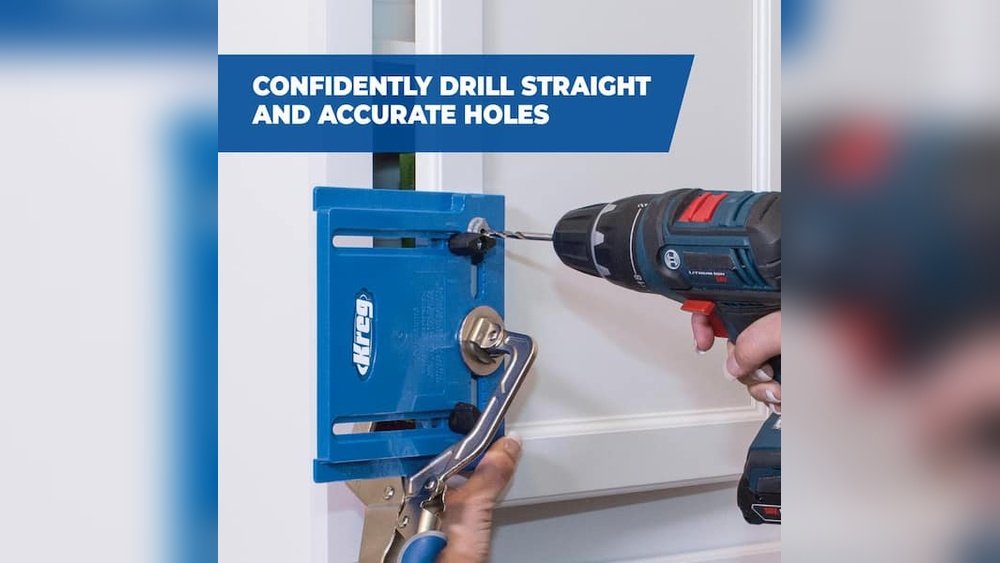
Are you ready to give your cabinets a fresh, stylish look with new pulls? Drilling holes in cabinets might sound tricky, but with the right steps, you can do it yourself quickly and accurately.
Imagine the satisfaction of upgrading your kitchen or bathroom without spending a fortune on a pro. In this guide, you’ll discover simple tips to drill perfect holes every time, avoid common mistakes, and achieve a professional finish. Keep reading—you’re just a few easy steps away from transforming your space with confidence!
Tools Needed
Drilling holes in cabinets for pulls requires the right tools. These tools help you work safely and accurately. Having the correct equipment makes the process faster and cleaner. Below are the essential tools you need to get started.
Drill Types
A cordless drill is the best choice for cabinet work. It offers flexibility and ease of use. A corded drill works well if you need constant power. Choose a drill with adjustable speed settings. This helps control the drilling depth and prevents damage.
Drill Bits
Use brad point drill bits for clean and precise holes. These bits reduce splintering on wood surfaces. A 3/16 inch drill bit fits most cabinet pulls. Keep extra bits handy in case one gets dull or breaks. Sharp bits make drilling easier and safer.
Measuring Tools
A tape measure is essential for accurate hole placement. Use a ruler or a combination square for straight lines. Measure twice to avoid mistakes. Correct measurements ensure pulls align perfectly on cabinet doors and drawers.
Marking Tools
Use a pencil or fine-tip marker to mark drilling spots. A small piece of masking tape can prevent the drill bit from slipping. Mark clearly but lightly to erase easily later. Proper marking guides your drill and improves accuracy.

Credit: www.youtube.com
Choosing Pulls
Choosing the right pulls for your cabinets is important. Pulls affect both the look and function of your cabinets. Picking the correct style, size, and material makes your cabinets easier to use and looks better.
Pull Styles
Pulls come in many styles. Some are simple bars, others are decorative knobs or handles. Choose a style that matches your room’s design. Classic styles fit traditional kitchens. Sleek bars suit modern spaces. Styles can also change the feel, making cabinets look bold or subtle.
Pull Sizes
Size matters for comfort and balance. Small pulls look neat but can be hard to grip. Large pulls are easier to hold but may overpower small cabinets. Measure your cabinet doors and drawers before choosing. Make sure the pull fits well and feels good to use.
Material Considerations
Pulls come in metal, wood, plastic, and more. Metal pulls are strong and last long. Wood pulls add warmth and a natural look. Plastic pulls are budget-friendly but less durable. Choose a material that fits your style and use. Also, think about the finish, like shiny or matte, to match your décor.
Measuring And Marking
Measuring and marking are the first steps in drilling holes for cabinet pulls. Accurate measurements ensure the pulls align perfectly. Marking the right spots prevents mistakes and keeps your cabinet looking neat. Taking time here saves effort later.
Finding Center Points
Start by finding the center of the cabinet door or drawer. Measure the width and height using a tape measure. Divide each measurement by two to get the center points. Mark the exact middle lightly with a pencil. This center point helps place the pulls evenly.
Marking Hole Positions
Next, decide the hole positions based on your pull’s size. Measure the distance between the screw holes on the pull. From the center point, mark these distances on the cabinet surface. Use a ruler to keep marks straight and level. Double-check the marks for accuracy before drilling.
Using Templates
Templates make marking holes easier and more precise. Many pulls come with paper or plastic templates. Align the template with your center marks. Secure it with tape to prevent movement. Use a pencil to mark the hole positions through the template. Templates reduce errors and save time.

Credit: plankhardware.com
Drilling Techniques
Drilling holes in cabinets for pulls needs care and the right techniques. Good drilling makes sure holes are clean and exact. It also stops damage to your cabinets. Follow these tips to drill holes like a pro.
Setting Drill Speed
Choose a slow drill speed for wood cabinets. Slow speed helps control the drill better. It also reduces heat that can burn the wood. Use a medium speed for harder materials. Too fast can cause mistakes or damage.
Drilling Pilot Holes
Start with a small pilot hole before the final size. Pilot holes guide the bigger drill bit. They stop the wood from splitting or cracking. Mark the spot clearly before drilling. Drill straight to keep holes even and neat.
Avoiding Splintering
Place a scrap piece of wood behind the cabinet surface. This supports the wood and stops splintering. Use painter’s tape on the drilling spot for extra hold. Drill slowly and steady. Pull the drill out gently to keep edges smooth.
Installing Pulls
Installing pulls on cabinets is a simple task that improves both style and function. Proper installation ensures pulls stay secure and look great. Follow these steps carefully to get the best results.
Aligning Pulls
Start by marking the exact spot for each pull. Use a ruler or measuring tape for accuracy. Check that all marks line up evenly across the cabinet doors or drawers. Use a pencil to make small, light marks. This helps avoid mistakes and keeps the pulls straight and balanced.
Securing Screws
After drilling holes, place the pull on the cabinet. Insert screws through the back of the door or drawer into the pull. Tighten screws by hand first to avoid stripping. Then use a screwdriver to make them firm. Do not over-tighten. This can damage the cabinet or pull.
Checking Stability
Once installed, gently pull on each handle. Check for any movement or looseness. Tighten screws again if needed. Make sure the pulls feel strong and steady. Stable pulls last longer and feel better to use.

Credit: plankhardware.com
Troubleshooting Tips
Drilling holes in cabinets for pulls can sometimes lead to small problems. These issues can affect the look and function of your cabinet pulls. Knowing how to fix these problems fast saves time and frustration. Below are some common issues and easy fixes.
Fixing Misaligned Holes
Misaligned holes happen when the drill slips or measurements are off. To fix this, fill the wrong hole with wood filler or a wooden dowel. Let it dry completely. Sand the area smooth before drilling the correct hole. Use a ruler and level to mark the new spot carefully. Double-check your marks to avoid errors.
Repairing Splintered Wood
Splintered wood looks rough and can weaken the cabinet. Stop splintering by drilling slowly with a sharp bit. To repair splinters, apply wood glue to the damaged area. Press the splinters back in place. Clamp or hold firmly until dry. Sand the surface gently for a smooth finish. Paint or stain to match the cabinet color.
Adjusting Pull Placement
Pull placement affects both style and usability. If the pull feels awkward, measure again from the edges. Mark a new spot that feels natural to hold. Fill the old holes with wood filler and sand after drying. Drill new holes with steady pressure to avoid mistakes. This small change can improve cabinet use and appearance.
Frequently Asked Questions
How Do I Measure Cabinet Pulls For Drilling Holes?
Measure the pull’s screw distance accurately using a ruler or tape. Mark the hole positions with a pencil on the cabinet surface before drilling.
What Drill Bit Size Is Best For Cabinet Pulls?
Use a drill bit matching the screw diameter of your pulls, commonly 3/16 or 1/4 inch. This ensures a secure fit without damaging the cabinet.
How Can I Avoid Splitting Wood When Drilling?
Drill slowly and use a sharp bit. Place masking tape over the hole spot to prevent wood splintering.
Should I Drill Pilot Holes For Cabinet Pulls?
Yes, pilot holes guide screws and prevent wood cracking. Use a smaller bit than the screw diameter for pilot holes.
Conclusion
Drilling holes for cabinet pulls is simple with the right steps. Measure carefully and mark each spot clearly. Use a drill with the correct bit size. Take your time to avoid mistakes or damage. Clean up any dust or debris after drilling.
This small task can improve your cabinet’s look a lot. Enjoy your updated cabinets and the new handles you added. Keep practicing to gain confidence and skill. You can do this!
