

Struggling with a rusted screw that just won’t budge? You’re not alone.
Rust can turn a simple task into a frustrating challenge, leaving you stuck and unsure of what to do next. But don’t worry—there’s a way to get that stubborn screw out without damaging your project. You’ll discover easy, step-by-step methods to drill out rusted screws quickly and safely.
Keep reading, and you’ll be back on track in no time.

Credit: www.reddit.com
Tools Needed
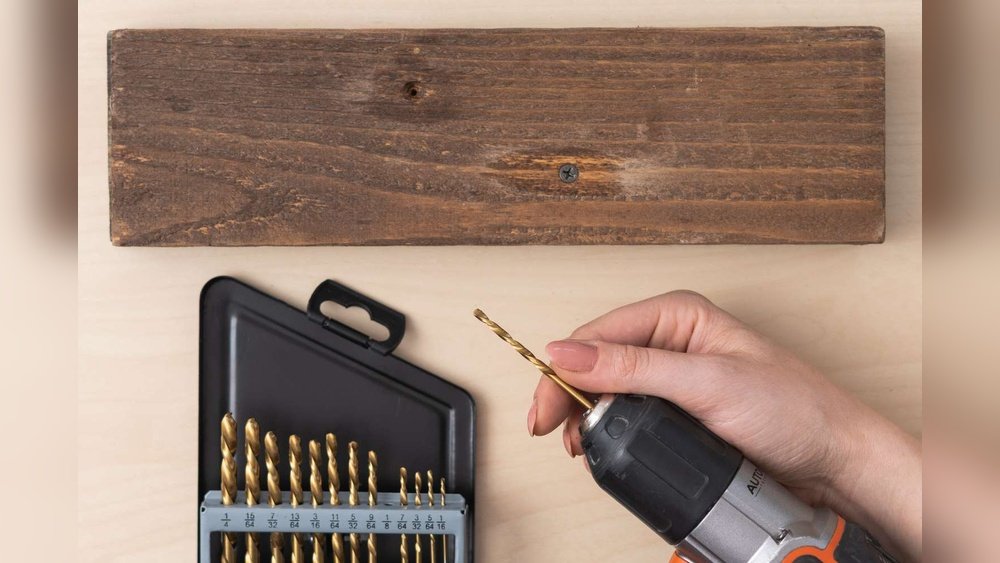
Drilling out rusted screws needs the right tools. Using proper equipment makes the job easier and safer. Prepare before you start to avoid damage and frustration.
Essential Drill Bits
Start with strong drill bits made for metal. High-speed steel (HSS) bits work well on rusted screws. Titanium-coated bits last longer and cut better. Choose sizes that match the screw head. A smaller bit for pilot holes helps prevent slipping. Step drill bits are useful for larger holes and better control.
Additional Equipment
Besides drill bits, you need a sturdy drill with variable speed. Corded or cordless drills both work fine. A screw extractor set helps remove screws after drilling. Use penetrating oil to loosen rust before drilling. Safety gear like gloves and goggles protects your hands and eyes. Clamps or a vise hold the workpiece steady during drilling.
Safety Precautions
Drilling out rusted screws can be risky without the right safety steps. Rust weakens screws, making them break or slip during drilling. Taking safety precautions protects you from injury and damage. Prepare well to work safely and effectively.
Protective Gear
Wear safety glasses to shield your eyes from flying metal bits. Use gloves to protect your hands from sharp edges and rust. A dust mask stops you from breathing in rust and metal dust. Long sleeves help protect your skin from sparks and debris. Dress safely before starting any drilling task.
Work Area Preparation
Clear your workspace of any clutter to avoid accidents. Ensure the area is well-lit so you can see clearly. Use a sturdy surface to hold the item with the rusted screw. Keep flammable materials away from the drilling spot. Have a first aid kit nearby for emergencies. Prepare your area to maintain control and reduce hazards.
Preparing The Screw
Preparing a rusted screw before drilling is important. It makes the process easier and safer. A stuck screw covered in rust can break or damage your tools. Taking time to clean and lubricate the screw helps loosen it. This step saves effort and protects your equipment.
Cleaning Rust
Rust blocks the drill bit and makes drilling hard. Start by removing loose rust around the screw head. Use a wire brush or steel wool for this job. Brush gently but firmly to clear as much rust as possible. Wipe away rust dust with a dry cloth. This cleaning step improves drill grip and reduces slipping.
Applying Lubricants
Lubricants help loosen rust and reduce friction during drilling. Apply a small amount of penetrating oil on the screw. Let it sit for at least 10 minutes to soak into the rust. Oils like WD-40 or machine oil work well. After soaking, wipe off excess oil to keep the area clean. Lubrication protects tools and makes drilling smoother.
Drilling Techniques
Drilling out rusted screws needs care and the right method. Using proper drilling techniques helps avoid damage and saves time. This section explains how to drill out rusted screws effectively.
Choosing The Right Drill Bit Size
Select a drill bit slightly smaller than the screw head. This size prevents damage to the surrounding material. A bit too large can ruin the hole. Choose a bit that fits the screw’s center well.
Drilling The Screw Head
Start drilling at low speed to keep control. Hold the drill steady and aim at the screw center. Drill slowly to avoid slipping off the head. Stop once the screw head is removed or drilled through.
Using A Screw Extractor
A screw extractor helps remove screws after drilling a hole. Insert the extractor into the drilled hole. Turn it counterclockwise with steady pressure. The extractor grips the screw and pulls it out.
Alternative Methods
Rusted screws can be very hard to remove. Sometimes, basic tools do not work. Alternative methods can help loosen these screws without breaking them. These methods use different techniques like heat or force. Both can make the screw easier to turn.
Heat Application
Heat can expand the metal around the screw. This expansion breaks the rust bond. Use a soldering iron or a heat gun. Place the heat directly on the screw head. Heat for about 30 seconds to a minute. Let the screw cool slightly before turning it. Be careful not to burn nearby materials. Heat works best on metal surfaces, not plastics.
Impact Tools
Impact tools deliver strong, sudden force to the screw. This can break the rust’s grip. Use an impact driver or an impact screwdriver. Place the tool on the screw head firmly. Strike the back of the tool with a hammer. The impact helps turn the screw and loosen rust. This method works well on screws that won’t budge with regular tools. Always wear safety glasses when using impact tools.

Credit: www.youtube.com
Post-removal Tips
Removing rusted screws is just the first step. What follows is important. Proper care after removal ensures your project lasts longer. It also stops rust from coming back. Here are useful tips to follow right after you drill out rusted screws.
Cleaning The Hole
Clear out any metal shavings and rust bits from the hole. Use a small brush or compressed air to clean it well. Dirt and rust left inside can cause problems. Clean holes help screws fit better and hold tight.
Check the hole edges for damage. Smooth rough spots with sandpaper or a file. This prevents cracks and makes the new screw fit easier. Clean and smooth holes create a strong base for new fasteners.
Preventing Future Rust
Apply a thin coat of anti-rust spray or oil inside the hole. This blocks moisture and air that cause rust. Let it dry before inserting new screws. Use stainless steel or coated screws to reduce rust risks.
Store tools and screws in dry places. Avoid damp environments that speed up rust. Regularly check and maintain your projects to catch rust early. Taking these steps protects your work and saves time later.

Credit: www.youtube.com
Frequently Asked Questions
How Do I Remove Rusted Screws Safely?
Use penetrating oil to loosen rust first. Let it sit for 10-15 minutes. Then, use the right drill bit to carefully drill out the screw without damaging surrounding material.
What Tools Are Best For Drilling Out Rusted Screws?
A power drill with a metal drill bit works best. Use penetrating oil and a screw extractor set for tough screws. Safety goggles and gloves are also recommended.
Can Heat Help In Removing Rusted Screws?
Yes, heating the screw can expand the metal and break rust bonds. Use a heat gun or soldering iron carefully. Avoid overheating to prevent damage to nearby surfaces.
How To Prevent Screws From Rusting In The Future?
Apply anti-rust spray or lubricant before installation. Use stainless steel or coated screws. Keep metal surfaces dry and clean to reduce rust formation.
Conclusion
Drilling out rusted screws takes patience and the right tools. Start slow and keep the drill steady. Use penetrating oil to help loosen the screw. Take breaks if the drill bit gets hot. Protect the surrounding area to avoid damage.
With care, you can remove even the toughest screws. Practice makes the process easier over time. Now, you can fix your projects without hassle. Don’t rush—work carefully for the best results.
