


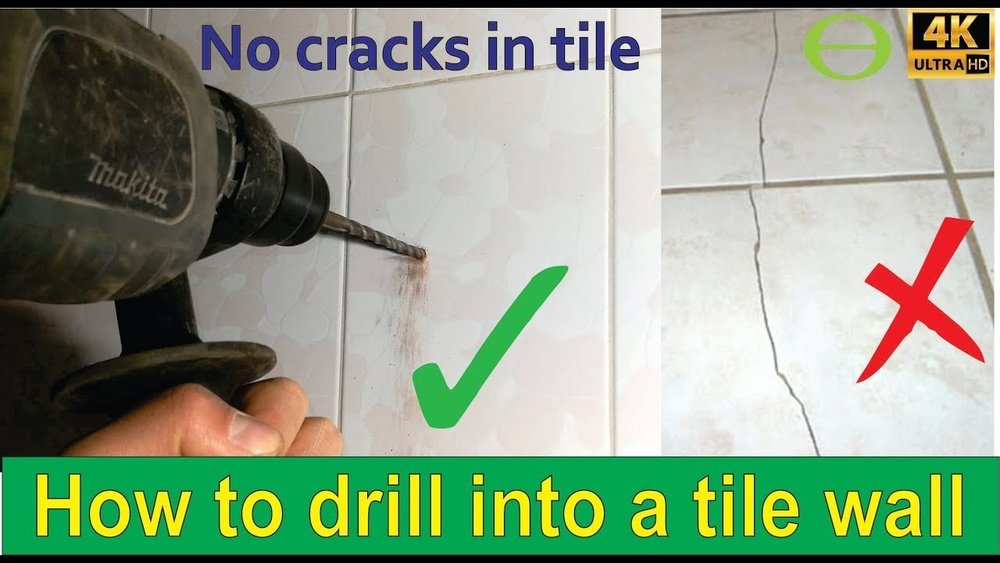
Are you ready to hang something on your tile wall but worried about cracking or damaging it? Drilling into tiles can seem tricky and intimidating, but with the right steps, you can do it safely and easily.
Imagine being able to mount shelves, hooks, or decorations exactly where you want without any hassle. In this guide, you’ll discover simple tips and proven techniques to drill through your tile wall like a pro. Keep reading, and you’ll gain the confidence to get the job done perfectly the first time.
Credit: ceramiccity.ie
Choosing The Right Drill And Bit
Choosing the right drill and bit is important for drilling tile walls. The right tools prevent cracks and damage. They also make the job easier and faster. Understanding which drill and bit to use helps you get clean holes without breaking the tile.
Types Of Drills Suitable For Tiles
A corded or cordless drill works well for tiles. A drill with variable speed control is best. Slow speed prevents overheating and cracking. Hammer drills are not suitable for tiles. They can cause chips and breaks. A regular drill with low speed is safer and more precise.
Selecting The Best Drill Bits
Use carbide-tipped or diamond-tipped drill bits for tiles. These bits are strong and cut through hard surfaces. Standard metal drill bits can damage tiles. Choose a bit size slightly smaller than the anchor or screw. This ensures a tight fit and secure hold. Always keep the drill bit cool by spraying water while drilling.

Credit: www.uglyducklinghouse.com
Preparing The Tile Wall
Preparing the tile wall is the first step to a smooth drilling process. It helps avoid cracks and ensures precise holes. Take your time to get everything ready before you start drilling.
Marking The Drill Spot
Use a pencil or a non-permanent marker to mark where you want to drill. Double-check the spot to make sure it is correct. Avoid marking on grout lines, as tiles are stronger there. A small piece of tape on the tile can help keep the drill bit from slipping.
Cleaning And Securing The Surface
Clean the tile surface with a damp cloth to remove dust and dirt. Dry the area completely to prevent the drill bit from slipping. Hold the tile wall steady or use clamps if needed. A stable surface helps keep the drill bit in place and reduces the risk of cracks.
Drilling Techniques For Tiles
Drilling into tile requires care and the right techniques. Tiles are hard but brittle. A wrong move can cause cracks or chips. Understanding how to drill properly helps protect the tile and get clean holes.
This section covers key drilling techniques for tiles. Following these tips ensures smooth drilling and a strong hold for screws or anchors.
Starting The Hole Without Cracking
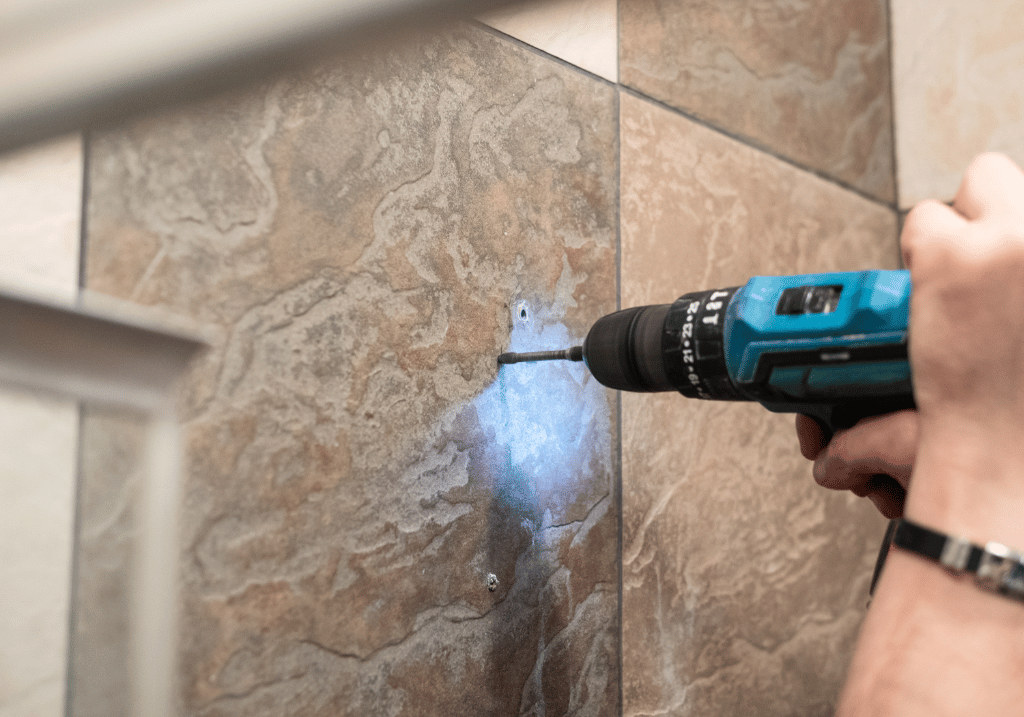
Place a piece of masking tape on the tile where you want to drill. This stops the drill bit from slipping. Use a pencil to mark the spot on the tape. Start drilling slowly with a small drill bit. Keep the drill steady and straight. Do not push hard. Let the drill bit do the work. This prevents cracks and chips at the start of the hole.
Maintaining Steady Pressure And Speed
Keep a steady hand while drilling. Press gently but firmly on the drill. Avoid pushing too hard or drilling too fast. A slow, steady speed reduces heat and tile damage. Pause occasionally to cool the drill bit. Use water or a damp cloth if needed. This helps the drill bit last longer and keeps the tile safe.

Credit: www.youtube.com
Handling Common Challenges
Drilling into a tile wall can be tricky. Tiles are hard and brittle. Mistakes can cause cracks or chips. This section covers common problems. It offers simple ways to handle them. Follow these tips for a clean, safe hole.
Dealing With Hard Or Thick Tiles
Hard or thick tiles need special care. Use a carbide-tipped or diamond drill bit. These bits cut through tile without slipping. Start drilling slowly at low speed. Keep the drill steady and straight. Apply light pressure. Let the drill do the work. Avoid pushing too hard. This prevents cracks and damage. Use water to cool the bit. Spray water or place a wet cloth on the tile. This stops overheating and extends bit life.
Avoiding Tile Cracks And Chips
Cracks and chips ruin tile surfaces. Protect tiles by taping the drill spot. Use masking tape or painter’s tape. The tape holds the drill bit steady. It reduces slipping and chipping. Drill at low speed to keep control. Use a small pilot hole first. This guides the larger bit. Do not rush. Take breaks to check progress. If the tile feels too fragile, try a different bit or angle. Small, careful steps save your tile.
Safety Tips And Precautions
Drilling into a tile wall can be tricky and risky. Safety should be your top priority to avoid accidents and damage. Taking the right precautions keeps you safe and protects your home.
Follow these safety tips before starting. They help you drill tiles without problems or injuries.
Protective Gear To Use
Always wear safety glasses to protect your eyes. Tiles can chip or crack, sending sharp pieces flying.
Use gloves to protect your hands from sharp edges and rough surfaces. A dust mask prevents inhaling harmful dust particles.
Wear ear protection if your drill is loud. It helps prevent hearing damage during long drilling sessions.
Managing Dust And Debris
Drilling tiles produces dust and small debris. Keep the area clean to avoid slipping or breathing in dust.
Use a vacuum or damp cloth to catch dust as you drill. This reduces airborne particles and keeps your workspace tidy.
Work in a well-ventilated area to avoid dust buildup. Open windows or use fans to circulate fresh air.
Finishing Touches After Drilling
After drilling a tile wall, the job is not quite finished. The next steps help ensure a clean, secure, and professional look. Taking care of these finishing touches prevents damage and makes your installation last longer.
Cleaning The Hole
Remove dust and small tile pieces from the hole. Use a small brush or a vacuum cleaner for this. A clean hole helps anchors or screws fit tightly. Avoid leaving debris, as it can weaken the hold.
Installing Anchors Or Fixtures
Choose the right anchors for your wall type. Plastic or metal anchors work best in tiles. Gently tap the anchor into the hole until flush with the surface. Then, insert the screw or fixture securely. Proper installation keeps your items stable and prevents tile cracking.
Frequently Asked Questions
What Drill Bit Is Best For Tile Walls?
Use a carbide-tipped or diamond-tipped drill bit for tile. These bits penetrate hard surfaces without cracking or damaging tiles.
How To Prevent Tiles From Cracking When Drilling?
Place masking tape over the drilling spot. Drill slowly at low speed and avoid applying too much pressure.
Can I Drill Through Ceramic And Porcelain Tiles?
Yes, but use a suitable drill bit and low speed. Porcelain is harder, so extra care is needed to avoid cracks.
Should I Use A Hammer Drill On Tile Walls?
No, avoid hammer mode on tile. Use a regular drill with steady, gentle pressure for clean holes.
Conclusion
Drilling a tile wall takes care and the right tools. Always use a drill bit made for tiles. Take your time and drill slowly to avoid cracks. Mark the spot clearly before you start. Protect your eyes and hands during the work.
With patience and these simple steps, you can do it safely. Practice on a spare tile if possible. Now, you are ready to drill your tile wall with confidence.
