


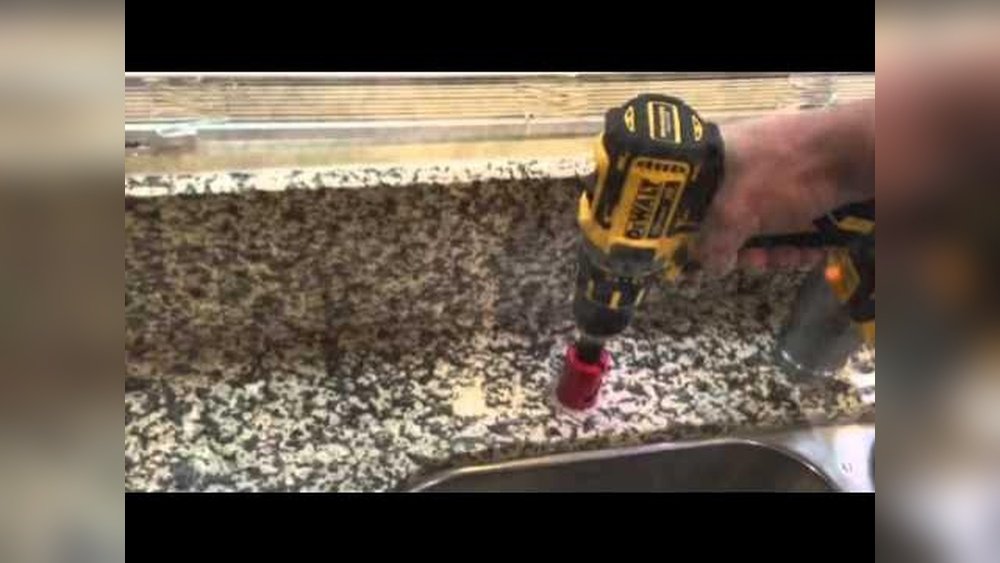
If you need to drill a hole in your granite countertop, you might be feeling a bit nervous. Granite is tough and unforgiving, so one wrong move can cause cracks or chips.
But don’t worry—this guide will walk you through every step to make sure you get it right the first time. You’ll learn simple techniques and the right tools to protect your countertop and get a clean, precise hole. Keep reading, and by the end, you’ll feel confident tackling this project yourself.
Tools Needed
Drilling a hole in a granite countertop requires the right tools for a clean and safe job. Choosing the correct equipment helps avoid cracks and damage. Prepare well by gathering all necessary items before starting.
Drill Types
Use a variable-speed drill for better control. A cordless drill offers ease of movement and less hassle with cords. A hammer drill is not needed as it can damage granite. Stick to a regular drill with adjustable speeds.
Drill Bits
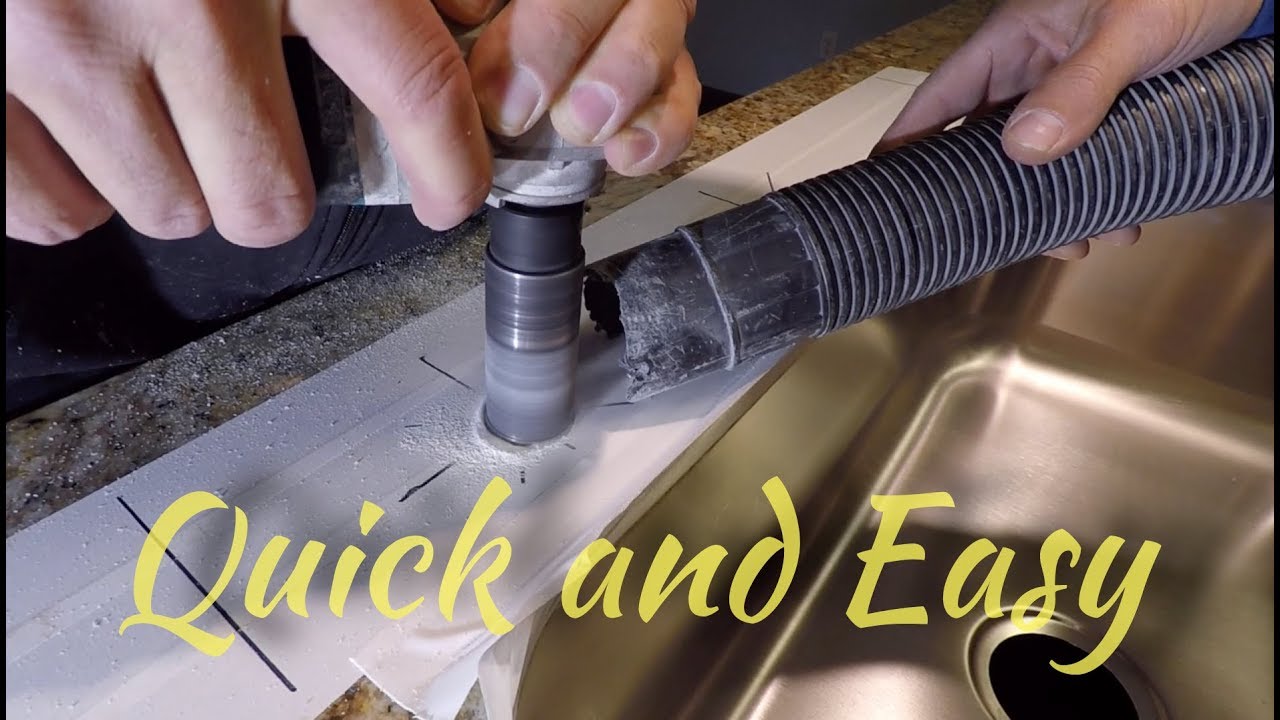
Select diamond-tipped drill bits for granite. They cut through hard stone smoothly. Start with a small bit to make a pilot hole. Gradually use larger bits to reach the desired size. Avoid standard metal bits as they wear out fast and may cause cracks.
Safety Gear
Wear safety goggles to protect your eyes from dust and chips. Use a dust mask to avoid breathing in granite particles. Gloves help protect your hands from sharp edges and vibration. Ear protection reduces noise from the drill.
Credit: www.youtube.com
Preparing The Granite
Preparing granite for drilling is a key step. It helps ensure accuracy and safety. Taking time to prepare prevents cracks and damage. The surface needs clear marking, thorough cleaning, and secure placement. These simple steps make the drilling process smoother and more precise.
Marking The Spot
Start by marking the exact spot on the granite. Use a pencil or masking tape for clear visibility. Marking guides the drill and prevents mistakes. Avoid using permanent markers that can stain. A small dot is enough to guide the drill bit.
Cleaning The Surface
Clean the granite surface around the mark well. Use a soft cloth and mild soap or granite cleaner. Dirt and dust can cause the drill bit to slip. A clean surface improves grip and accuracy. Let the surface dry completely before drilling.
Securing The Countertop
Secure the countertop to stop it from moving. Use clamps or heavy objects to hold it steady. Movement during drilling can cause cracks or uneven holes. Ensure the area is stable and safe to work on. Stability helps keep the drill bit on track.
Drilling Techniques
Drilling a hole in a granite countertop requires careful technique. Granite is a hard stone, so the drill must be handled with care. Using the right method helps prevent cracks and damage. Follow these steps to drill safely and accurately.
Starting The Hole
Begin by marking the spot clearly. Use a pencil or tape to prevent the drill bit from slipping. Start drilling slowly at a low speed. Let the bit make a small indentation before increasing speed. This helps the drill stay in place and avoid mistakes.
Maintaining Steady Pressure
Apply firm but gentle pressure on the drill. Too much force can crack the granite. Too little pressure slows progress and wears out the bit. Keep the drill steady and steady your hands. Move at a consistent pace for a clean hole.
Cooling The Drill Bit
Drilling generates heat, which can damage both the bit and granite. Use water or a wet cloth to cool the drill bit often. Stop drilling occasionally to add water. This keeps the bit sharp and protects the countertop surface.

Credit: housebythepreserve.com
Common Mistakes To Avoid
Drilling a hole in a granite countertop needs care and the right approach. Mistakes can damage the granite or the drill bit. Avoiding common errors saves time and money. Here are some key mistakes to watch out for.
Overheating The Bit
Drilling granite creates heat. Too much heat can ruin the drill bit. It makes the bit dull and weak. Stop often to let the bit cool down. Use water to keep the bit cool while drilling. This helps the bit last longer and drill better.
Applying Too Much Force
Pressing too hard does not speed up drilling. It can crack the granite or break the bit. Use gentle, steady pressure instead. Let the drill do the work. Too much force causes uneven holes and damage.
Ignoring Safety Precautions
Granite dust can harm your lungs and eyes. Always wear safety glasses and a mask. Work in a well-ventilated area. Keep your hands away from the bit. Safety keeps you safe and the job clean.
Finishing Touches
After drilling a hole in your granite countertop, the job is not quite finished. The finishing touches matter a lot. They help keep your countertop safe and looking great. Small steps now prevent problems later. These steps include cleaning, smoothing, and sealing.
Cleaning Debris
Start by clearing all dust and granite chips. Use a soft brush or vacuum to remove debris. Wipe the area with a damp cloth. This removes fine dust that can cause scratches or stains. Clean surfaces help the sealant stick better. Take your time to ensure all particles are gone.
Smoothing The Edges
The drilled hole edges may feel sharp or rough. Use fine sandpaper or a diamond polishing pad. Gently smooth the edges by rubbing around the hole. This prevents chipping and reduces the risk of injury. Smooth edges also give a neat, finished look. Be careful not to apply too much pressure.
Sealing The Hole
Seal the hole to protect granite from water damage. Use a granite-safe sealant or epoxy. Apply it evenly inside and around the hole. Let the sealant dry completely as per instructions. Sealing strengthens the countertop and keeps dirt away. It also keeps the hole looking clean and fresh.
When To Call A Professional
Drilling a hole in a granite countertop can be tricky. Sometimes, the task is simple. Other times, it requires special skills and tools. Knowing when to call a professional can save time and prevent costly damage. This guide helps you decide the right moments to seek expert help.
Complex Hole Shapes
Granite is hard and brittle. Straight round holes are easier to drill. But complex shapes like slots or irregular holes are harder. Professionals have special tools for these shapes. They ensure the hole is accurate and clean. Attempting complex shapes without experience can crack the granite.
Large Diameter Holes
Small holes need standard drill bits. Large holes require diamond core bits and steady pressure. Professionals use powerful drills designed for granite. They control the speed and water cooling to avoid overheating. Drilling large holes alone risks breaking the stone or damaging the drill.
Avoiding Damage
Granite can chip or crack easily. Proper technique and the right tools prevent damage. Professionals know how to protect edges and surfaces. They use guides and clamps for stability. Calling an expert reduces the chance of costly mistakes and preserves your countertop’s beauty.

Credit: housebythepreserve.com
Frequently Asked Questions
How Do I Safely Drill A Hole In Granite Countertop?
Use a diamond-tipped drill bit and apply gentle pressure. Keep the drill bit and granite wet to reduce heat. Wear safety goggles and gloves. Drill slowly to avoid cracking. Mark the spot clearly before drilling.
What Tools Are Needed To Drill Granite Countertops?
You need a diamond drill bit, a power drill, water source, safety goggles, and gloves. A masking tape helps prevent slipping. A slow-speed drill setting is essential for control and safety during drilling.
Can I Drill Granite Without A Diamond Drill Bit?
No, diamond drill bits are necessary for granite. They cut through hard stone effectively without damage. Using other bits may cause cracks or damage the countertop. Investing in the right bit ensures a clean hole.
How To Prevent Granite From Cracking While Drilling?
Keep the drill bit cool with water constantly. Drill at low speed and apply gentle pressure. Use masking tape to reduce slipping. Avoid forcing the drill; let the bit do the work. Patience reduces cracking risk.
Conclusion
Drilling a hole in your granite countertop is doable with the right tools. Take your time and work carefully to avoid cracks. Use a diamond drill bit for the best results. Keep the drill bit cool by using water during drilling.
Always wear safety gear like goggles and gloves. Practice on a scrap piece if possible. With patience and care, you can complete the job successfully. This skill saves money and lets you customize your kitchen. Give it a try, and you will see good results.
