


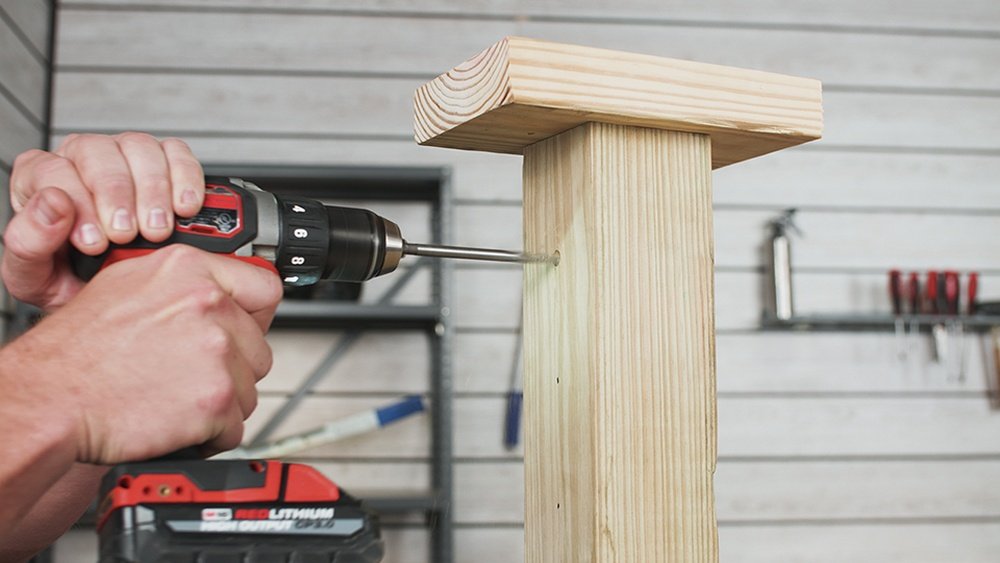
Drilling straight through a post might sound simple, but if you don’t get it right, your project can quickly turn frustrating. You want clean, precise holes that line up perfectly—no crooked edges or wasted materials.
Whether you’re building a fence, setting up a deck, or working on any woodworking project, knowing how to drill straight through a post will save you time, effort, and money. Keep reading, and you’ll discover easy tips and tricks to make every hole spot-on, even if you’re a beginner.
Your next project will look sharper and more professional with just a few simple steps.
Choosing The Right Drill And Bit
Choosing the right drill and bit is key to drilling straight through a post. The right tools make the job easier and results cleaner. Using the wrong drill or bit can cause mistakes and waste time. Understanding which drill and bit fit your post type helps you work faster and with precision.
Types Of Drills Suitable For Posts
Cordless drills are popular because they are easy to handle and portable. They work well for most posts and offer good control. Corded drills provide constant power, making them better for tough wood or long jobs. A drill with adjustable speed settings helps keep the drill steady for straight holes. Hammer drills are not needed for wood posts; they can damage the material.
Selecting Drill Bits For Clean Holes
Spade bits are common for drilling large holes in wood posts. They cut quickly but may cause rough edges. For cleaner holes, use auger bits, which remove wood chips smoothly. For metal posts, use high-speed steel (HSS) bits for sharp and precise holes. Always choose a bit size that matches the hole needed to avoid splitting the post.
Preparing The Post And Workspace
Preparing the post and workspace is a key step before drilling straight through a post. Careful preparation helps avoid mistakes and makes the task easier. A clean, organized area improves safety and efficiency.
Start by choosing a flat surface with enough space to work. Clear any clutter to prevent accidents. Good lighting is important to see markings and drill points clearly.
Marking The Drill Points Accurately
Use a measuring tape to find the exact spot for drilling. Mark the point with a pencil or a fine-tip marker. Double-check measurements on all sides of the post to ensure straight drilling.
Draw a small cross at the drill point. This helps guide the drill bit and prevents slipping. Mark both sides of the post if you plan to drill straight through.
Securing The Post For Stability
Clamp the post firmly to a workbench or sturdy surface. This stops the post from moving during drilling. Movement can cause the drill bit to wander off the mark.
Use heavy-duty clamps to hold the post tight. Check that the post does not shake before starting. Stable posts make drilling safer and more precise.
Techniques For Drilling Straight Holes
Drilling straight holes through a post is essential for sturdy construction and neat finishes. Without the right techniques, holes can become crooked or uneven. This section covers practical ways to keep your drill straight and steady.
Using A Drill Guide Or Jig
A drill guide or jig helps keep the drill bit aligned. These tools hold the drill steady at the correct angle. They reduce wobbling and improve accuracy. Using a guide is especially helpful for beginners or tough materials.
Maintaining Proper Drill Angle
Hold the drill perpendicular to the post surface. Check the angle from different sides to ensure it is straight. Use a square or level tool for better precision. Keeping a steady hand will prevent the bit from drifting off course.
Starting The Hole Correctly
Begin with a small pilot hole to guide the larger drill bit. This prevents the bit from slipping at the start. Drill slowly and apply gentle pressure. Starting right sets the path for a clean, straight hole.
Credit: www.reddit.com
Dealing With Common Challenges
Drilling straight through a post can bring some common challenges. These problems often make the task tricky. Understanding how to handle them helps you get better results. Simple tips can reduce mistakes and make drilling smoother. Let’s explore how to deal with common issues.
Preventing Bit Wander
Bit wander happens when the drill bit slips off the mark. It spoils the straight line you want. To stop this, start with a small pilot hole. Use a sharp bit for better grip on wood. Hold the drill steady and apply firm pressure. A drill guide or clamp can keep the bit on track. Slow drilling speed also helps control the bit’s path.
Managing Wood Splintering
Wood splintering looks messy and weakens the post. It happens when the drill bit tears the wood fibers. Use a backing board behind the post to catch splinters. Drill slowly and avoid pushing too hard. Sharp brad point bits work best to cut cleanly. Sanding the edges after drilling smooths out rough spots.
Drilling Through Thick Or Hard Materials
Thick or hard posts need more care to drill straight. Choose a drill bit made for tough materials. Start with a small hole before drilling the full size. Use steady, even pressure without forcing the bit. Take breaks to cool the bit and avoid damage. Keep the drill steady and check alignment often for best results.
Finishing Touches For Perfect Holes
Finishing touches make a big difference in drilling straight through posts. They help ensure holes are clean, accurate, and ready for use. Taking time for these steps improves the overall quality and appearance of your work.
Cleaning Out Debris
Remove all wood chips and dust from the hole. Use a small brush or compressed air to clear debris. A clean hole helps screws or bolts fit tightly. It also prevents damage to tools and fasteners.
Checking Hole Alignment And Depth
Verify the hole is straight and matches your mark. Use a level or square to check alignment. Measure the hole depth with a ruler or tape. Correcting any mistakes now saves time and effort later. Proper holes ensure strong, stable posts.
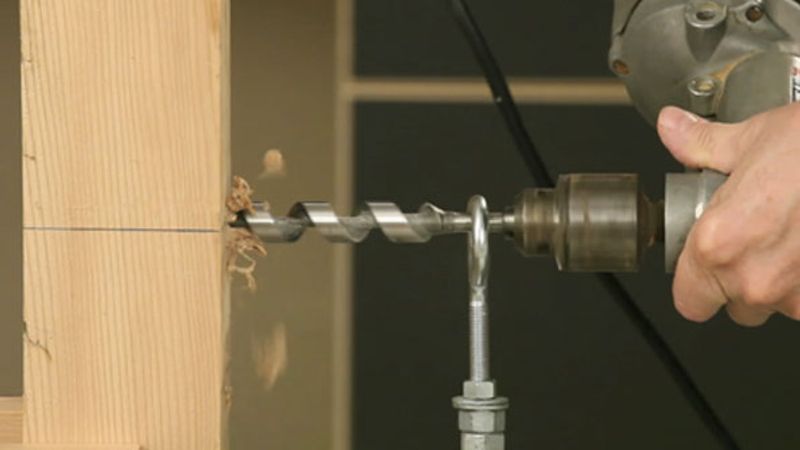
Credit: www.finehomebuilding.com
Safety Tips During Drilling
Drilling straight through a post requires focus on safety. Drilling can cause injuries without the right precautions. Following safety tips protects you and helps the job go smoothly. Keep your workspace clean and organized to avoid accidents. Always be alert and cautious while handling tools. Proper safety measures reduce risks and improve results.
Protective Gear Essentials
Wear safety glasses to protect your eyes from flying debris. Use ear protection to shield your ears from loud noise. Gloves help protect your hands from splinters and sharp edges. Wear a dust mask to avoid inhaling sawdust or wood particles. Closed-toe shoes protect your feet from falling objects.
Safe Handling Of Tools
Check your drill for any damage before starting. Use the right drill bit for the material and size. Hold the drill firmly with both hands for control. Keep the drill perpendicular to the post for a straight hole. Do not force the drill; let it work at its own pace. Unplug or remove the battery when changing drill bits. Store tools safely after use to prevent accidents.

Credit: www.reddit.com
Frequently Asked Questions
How Do I Drill A Straight Hole Through A Post?
Use a drill guide or jig to keep the drill bit aligned. Mark the entry and exit points. Drill slowly with steady pressure to maintain a straight path.
What Tools Ensure Straight Drilling Through Wooden Posts?
A drill guide, level, and clamp are essential. These tools stabilize the drill and help maintain accuracy when drilling through posts.
How Can I Prevent The Drill Bit From Wandering?
Start with a pilot hole using a smaller bit. Use a center punch or nail to mark the drilling spot for better accuracy.
What Drill Bit Type Is Best For Post Drilling?
Use a spade bit or auger bit for wood posts. These bits create clean, straight holes efficiently in wooden materials.
Conclusion
Drilling straight through a post takes patience and care. Use the right tools and measure twice before drilling. Keep the drill steady and go slow for best results. Mark your spot clearly to avoid mistakes. Taking these steps helps you work safely and finish with clean holes.
Practice makes the process easier over time. Follow these tips, and your drilling will be precise and smooth every time.
