

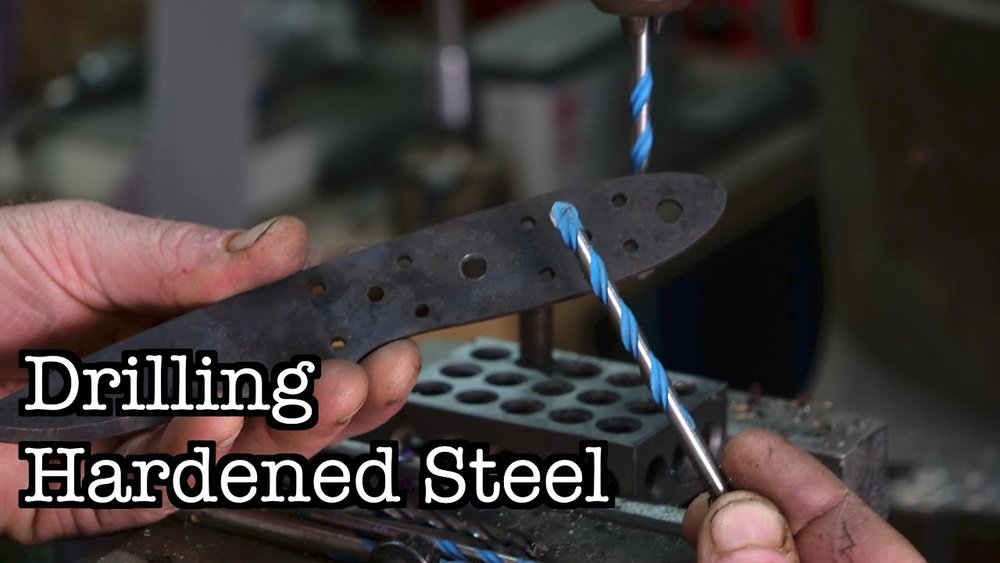
Drilling hardened tool steel can feel like a tough challenge, but with the right techniques, you can get it done smoothly and accurately. If you’ve ever struggled with broken bits or slow progress, this guide is for you.
You’ll discover simple steps and expert tips that make drilling through this tough material easier than you think. Keep reading, and you’ll learn how to save time, avoid frustration, and get clean, precise holes every time. Your next project is about to become a lot less complicated.
Credit: home.howstuffworks.com
Choosing The Right Drill Bit
Choosing the right drill bit is key when drilling hardened tool steel. The wrong bit can wear out fast or break. The right bit saves time and gives clean holes. Understanding the types, coatings, and sizes helps pick the best bit for the job.
Types Of Drill Bits For Hardened Steel
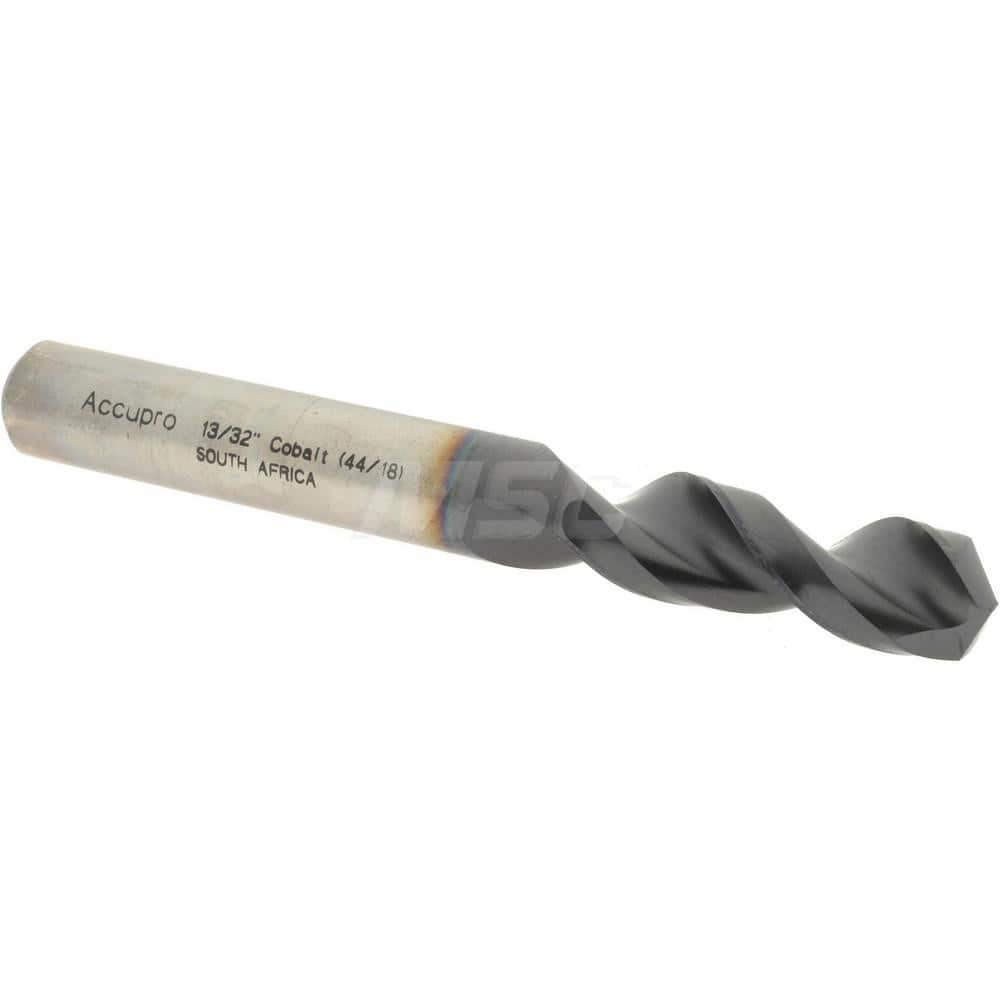
High-speed steel (HSS) bits work for softer metals but wear quickly on hardened steel. Cobalt drill bits are better. They have extra cobalt, making them stronger and heat resistant. Carbide bits are the hardest and last longest. They cut through tough steel but cost more. Choose cobalt or carbide bits for hardened tool steel.
Coatings And Materials
Coatings help drill bits last longer and cut faster. Titanium nitride (TiN) coating reduces friction and heat. Black oxide coating helps with heat resistance and prevents rust. Titanium aluminum nitride (TiAlN) coating works best for very hard metals. Coated bits stay sharp and improve drilling speed.
Size And Geometry Considerations
Pick a drill bit size that matches your hole needs exactly. Too large or too small can cause damage or poor fit. The point angle matters too. A 135-degree split point drills harder steel better. It reduces walking and helps start the hole accurately. Correct size and angle protect the bit and workpiece.
Preparing The Steel Surface
Preparing the steel surface is a key step before drilling hardened tool steel. A clean and well-marked surface helps in precise drilling. It reduces tool wear and avoids mistakes. This preparation ensures the drill bit stays on track and the hole is accurate. Following simple steps makes the drilling process smoother and safer.
Marking And Center Punching
Start by marking the exact spot for the hole. Use a permanent marker or scribe for clear visibility. Marking guides the drill bit and keeps it from slipping. Next, use a center punch to make a small dent on the mark. This dent acts as a starting point for the drill bit. It helps the drill stay steady and prevents it from wandering.
Cleaning And Securing The Workpiece
Clean the steel surface thoroughly to remove oil, dirt, and rust. Use a cloth and some solvent if needed. A clean surface ensures better contact and reduces heat during drilling. After cleaning, secure the workpiece firmly in a clamp or vise. Holding the steel steady stops movement and protects you from accidents. A stable workpiece means better control and cleaner holes.
Setting Up The Drill
Setting up the drill correctly is crucial when working with hardened tool steel. This metal is tough and can wear out drill bits quickly. Proper setup helps prevent damage and makes drilling easier. Focus on the right speed, tool choice, and cooling methods.
Speed And Feed Rates
Use a slow drilling speed to avoid overheating the bit. High speed can ruin the drill and steel. Feed the drill slowly and steadily. Pressing too hard can break the bit or cause poor holes. Consistent pressure and slow feed rates give the best results.
Using A Drill Press Vs Handheld Drill
A drill press gives better control and accuracy. It keeps the drill straight and steady. This is important for hardened tool steel. A handheld drill can work but is harder to keep steady. For best results, use a drill press if possible. It reduces mistakes and improves hole quality.
Lubrication And Cooling Methods
Use cutting oil or lubricant to cool the drill bit. This helps reduce heat and friction. Heat can damage both the drill and steel. Apply lubricant often during drilling. You can also pause drilling to let the bit cool down. Keeping the drill cool extends its life and improves performance.
Credit: myfuse.education
Drilling Techniques
Drilling hardened tool steel requires careful methods to avoid damage. The steel is tough and can wear out tools quickly. Using the right drilling techniques helps protect your drill bit and get clean, precise holes. Focus on starting the hole correctly, controlling pressure, and clearing chips well.
Starting The Hole
Begin with a small pilot hole. This guides the larger drill bit and reduces slipping. Use a center punch to mark the spot. Keep the drill steady and start slow. This ensures the bit bites into the steel without wandering.
Controlling Pressure And Feed
Apply steady, moderate pressure while drilling. Too much force can break the drill bit. Too little pressure wastes time and wears the bit. Feed the drill at a slow, consistent pace. Let the drill bit do the work without forcing it.
Clearing Chips Effectively
Remove metal chips frequently to avoid clogging. Chips can cause heat build-up and damage the bit. Pull the drill out often to clear debris. Use cutting fluid to cool and lubricate the drill area. This keeps the drill sharp and extends its life.
Common Challenges And Solutions
Drilling hardened tool steel brings many challenges. This material is tough and hard, causing problems during drilling. Knowing common issues helps avoid mistakes and saves time. The right techniques keep tools sharp and workpieces safe.
Dealing With Bit Wear
Hardened steel quickly wears drill bits. Bits become dull and lose cutting power. Use high-quality carbide or cobalt bits for longer life. Replace or sharpen bits often to keep efficiency. Slow drilling speeds also reduce wear.
Preventing Heat Build-up
Heat damages drill bits and steel. Excess heat changes the steel’s hardness. Use cutting oil or coolant to keep temperature low. Drill slowly and apply steady pressure. Pause drilling to let the bit cool down.
Avoiding Workpiece Damage
Too much force can crack or deform steel. Use a center punch to mark drilling spots. This prevents the bit from slipping. Start with a small pilot hole before the final size. Keep the drill steady and avoid sudden moves.
Post-drilling Tips
After drilling hardened tool steel, proper post-drilling steps improve the final result. These steps protect the workpiece and ensure the hole meets quality standards. Careful attention here saves time and prevents damage later.
Deburring And Finishing
Drilling often leaves sharp edges or burrs around the hole. Removing these burrs is important for safety and function. Use a deburring tool or fine file to smooth edges gently. This prevents cuts and helps parts fit better.
Finishing the hole surface also reduces wear on tools used later. Light sanding or polishing can improve the hole’s quality. Always clean the area after deburring to remove metal shavings.
Inspecting Hole Quality
Check the hole size and shape carefully after drilling. Use calipers or a gauge to measure diameter. The hole should be round and free of cracks or chips.
Look inside the hole with a flashlight to spot any rough spots or damage. A smooth, clean hole ensures parts fit well and work correctly. Fix any defects before moving to the next step.
Credit: treefruitresearch.org
Frequently Asked Questions
What Drill Bit Is Best For Hardened Tool Steel?
Use cobalt or carbide drill bits for hardened tool steel. These bits resist heat and wear, ensuring cleaner, longer-lasting cuts.
How Can I Prevent Drill Bit Overheating?
Apply cutting fluid or oil to reduce friction and heat. Drill at low speed and use intermittent drilling to cool the bit.
What Drilling Speed Suits Hardened Tool Steel?
Use slow drilling speeds, typically between 20-50 RPM. Slow speed minimizes heat buildup and extends drill bit life.
Should I Pre-drill Before Drilling Hardened Tool Steel?
Yes, pre-drilling a smaller pilot hole helps reduce stress on the main drill bit. It improves accuracy and prevents bit damage.
Conclusion
Drilling hardened tool steel takes patience and the right tools. Use sharp drill bits made for hard metals. Keep a slow speed to avoid overheating. Apply steady pressure without forcing the drill. Cool the metal often with cutting oil or water.
These steps help you drill clean holes and protect your tools. Practice careful drilling for better results every time. Simple methods make tough tasks easier to handle.
