

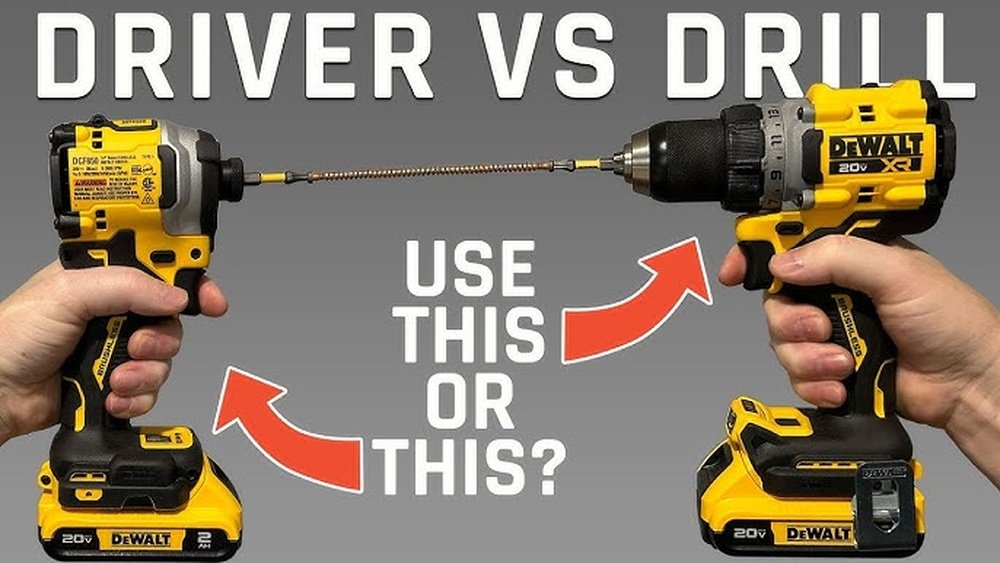
Have you ever wondered if you can use an impact driver as a regular screwdriver? If you’ve got one tool in your hand and a project to finish, knowing whether an impact driver can double as a screwdriver can save you time and effort.
But is it really that simple? Using the wrong tool can damage your screws or make your job harder. Keep reading, and you’ll discover the surprising truth about impact drivers and how they might just change the way you handle your next project.

Credit: www.youtube.com
Impact Driver Basics
An impact driver is a powerful tool designed for driving screws and bolts quickly. It uses a unique mechanism that delivers strong rotational force and rapid bursts of impact. This makes it different from a regular screwdriver or drill.
Understanding the basics helps you decide if an impact driver suits your project. It is useful for tough jobs where screws need extra force to go in.
How Impact Drivers Work
Impact drivers combine rotation and concussive blows. When resistance increases, the driver’s internal hammer hits the anvil. This impact adds extra torque to turn screws faster and easier. It reduces the chance of stripping screws or tiring your wrist.
The tool uses hex-shank bits that fit tightly and stay secure. It runs on batteries, making it portable and easy to use anywhere.
Key Features Compared To Screwdrivers
Impact drivers deliver higher torque than standard screwdrivers. They can drive larger screws into harder materials like wood and metal. Their compact size allows work in tight spaces. The rapid impacts reduce bit cam-out and slipping.
Regular screwdrivers rely on manual force and steady pressure. They are slower and need more effort on tough screws. Impact drivers save time and energy, especially on big projects.
Screwdriver Functions
Impact drivers can work as screwdrivers for many tasks. They provide strong twisting force, making screws easier to drive. Yet, they may be too powerful for delicate jobs or small screws.
Types Of Screwdrivers
Screwdrivers come in many shapes and sizes. Each fits a specific screw head type. The common ones include flathead, Phillips, Torx, and hex. Flathead screwdrivers have a single flat blade. Phillips screwdrivers have a cross-shaped tip. Torx screwdrivers feature a star-shaped tip. Hex screwdrivers have a hexagonal tip. Using the right screwdriver prevents damage to screws and tools. It also makes work easier and faster.
Common Uses And Limitations
Screwdrivers are for turning screws by hand or with power tools. They fasten and unfasten screws in furniture, electronics, and vehicles. Manual screwdrivers work best for small, delicate jobs. Power screwdrivers speed up tasks with many screws. Some screwdrivers can apply precise torque to avoid over-tightening. They are not designed for heavy impact or drilling. Using a screwdriver for wrong tasks can break the tool or screw. Choosing the correct type and size ensures proper function and safety.
Using Impact Drivers For Screwing
Using an impact driver for screwing tasks can save time and effort. This tool delivers strong rotational force with quick bursts. It works differently than a regular drill. Impact drivers are good for driving screws into tough materials. They reduce slipping and stripping of screw heads. Let’s explore when and how to use impact drivers properly for screwing.
When It’s Suitable
Impact drivers work best with long or large screws. They handle hard wood, metal, and dense materials well. Avoid using them on delicate surfaces or soft materials. Small screws or thin wood may get damaged. Use an impact driver for heavy-duty projects, like building decks or assembling furniture. They perform better than standard screwdrivers in these cases.
Choosing The Right Bits
Always pick impact-rated bits for your driver. These bits are stronger and last longer. Standard screwdriver bits can break or wear out fast. Use bits that match the screw head type exactly. Common types include Phillips, flathead, and Torx. Keep spare bits handy to avoid interruptions. Proper bits improve grip and reduce damage to screws.
Adjusting Torque Settings
Control torque to avoid overdriving screws. Many impact drivers have adjustable torque settings. Start with a low setting for small screws or soft materials. Increase torque for harder materials or bigger screws. Too much torque can strip screw heads or break bits. Practice on scrap wood to find the right torque level. This helps protect both your screws and work surface.
:max_bytes(150000):strip_icc()/SPR-types-of-drills-6455930-impactdriver-8475ccd416154f4b8076f265d488105a.jpg)
Credit: www.thespruce.com
Advantages Of Impact Drivers
Impact drivers offer several benefits that make them useful tools for many projects. They provide more power and speed than regular screwdrivers. This helps complete tasks faster and with less effort.
These tools handle tough materials well. They can drive screws into hard wood and metal without slipping or stripping the screw head. This makes them reliable for demanding jobs.
Increased Power And Speed
Impact drivers deliver strong torque. This means they turn screws with more force. The extra power helps drive screws quickly into tough surfaces.
The fast rotation saves time. You spend less effort pushing the tool. This makes work easier and faster than using a manual screwdriver.
Handling Tough Materials
Impact drivers work well on hard wood and metal. They apply sudden bursts of force to avoid stripping screw heads. This keeps screws secure and prevents damage.
These tools also reduce wrist strain. The impact action lowers the effort needed. This helps you work longer without getting tired.
Potential Risks And Drawbacks
Using an impact driver as a screwdriver might seem convenient. It can save time and effort. Yet, this tool is not designed for all screwdriving tasks. Some risks and drawbacks come with using an impact driver for screws.
These issues can affect your work quality and tool lifespan. Knowing these risks helps you avoid damage and frustration. Let’s explore the main concerns.
Overdriving Screws
Impact drivers deliver high torque in short bursts. This power can push screws too deep into the material. Overdriving can strip the screw head or damage the threads. It weakens the hold of the screw. This problem often happens with soft woods and thin materials.
Damaging Delicate Materials
Delicate materials need gentle handling. Impact drivers apply strong force that can crack or break fragile items. Using the wrong tool can ruin your project. It is better to use a regular screwdriver or drill on delicate surfaces. Protect materials like plastic, thin wood, or drywall from impact damage.
User Control Challenges
Impact drivers are harder to control than regular screwdrivers. Their fast, powerful impacts can make precise work difficult. Beginners may struggle to keep the tool steady. This can lead to mistakes or injury. Using an impact driver needs practice and care. It is not ideal for small or detailed screwdriving tasks.
Credit: www.reddit.com
Safety Tips For Using Impact Drivers
Using an impact driver as a screwdriver can be helpful but requires care. Safety should always come first. Impact drivers deliver strong force, which can cause accidents if handled wrongly. Follow these safety tips to protect yourself and work efficiently.
Protective Gear Recommendations
Wear safety glasses to protect your eyes from flying debris. Use gloves to improve grip and protect your hands. Ear protection helps reduce noise from the impact driver. Wear sturdy shoes to protect your feet from dropped tools. Always dress in close-fitting clothes to avoid getting caught.
Proper Handling Techniques
Hold the impact driver firmly with both hands. Keep your fingers away from the bit and fastener. Start at low speed to control the tool better. Keep the tool perpendicular to the surface for accurate driving. Do not force the driver; let the tool do the work.
Alternatives To Impact Drivers
Impact drivers are powerful tools, but they are not always the best choice for every screwing task. Sometimes, a different tool suits the job better. There are several alternatives to impact drivers that can work well for driving screws. These tools offer different features and benefits. They can be easier to control, lighter, or more precise. Choosing the right tool depends on your project and comfort level.
Cordless Screwdrivers
Cordless screwdrivers are small and easy to handle. They work on batteries and provide moderate torque. These tools are perfect for light tasks like assembling furniture or small repairs. They usually have a simple design and are less noisy. Cordless screwdrivers are great for quick jobs without heavy power needs.
Manual Screwdrivers
Manual screwdrivers are simple and reliable. They require no power and give full control over each turn. These tools are ideal for delicate tasks or tight spaces. Using a manual screwdriver can prevent over-tightening screws. They come in many sizes and types for different screw heads. Manual screwdrivers are a must-have in every toolbox.
Drill Drivers
Drill drivers combine drilling and screw-driving in one tool. They offer adjustable speed and torque settings. Drill drivers are versatile for many projects around the home or workshop. They work well with various screw sizes and materials. These tools provide more power than cordless screwdrivers but less impact force than impact drivers. Drill drivers balance power and control effectively.
Maintenance For Impact Drivers
Proper maintenance keeps your impact driver working well for a long time. It helps avoid problems and saves money on repairs. Taking care of your tool is easy and quick. Small efforts make a big difference in performance and safety.
Bit Care And Replacement
Bits wear out from heavy use and can slip or break. Check bits often for damage or wear. Replace bits that look dull or bent. Using the right bit type helps prevent damage. Store bits in a dry place to stop rust. Clean bits after use to remove dirt and debris.
Battery Management
Good battery care extends its life and power. Charge batteries fully before storing them. Avoid letting batteries drain completely. Store batteries in a cool, dry place. Use the charger made for your battery brand. Remove the battery from the driver if not in use for a long time.
Frequently Asked Questions
Can An Impact Driver Replace A Regular Screwdriver?
Yes, an impact driver can replace a regular screwdriver for many tasks. It delivers higher torque, making it ideal for driving screws quickly and efficiently. However, it may be too powerful for delicate jobs or precision work where a manual screwdriver is better.
Is An Impact Driver Safe For All Screw Types?
An impact driver works well with most screws, especially long or tough ones. It may damage soft or small screws if used improperly. Always match the bit type and size to the screw to avoid stripping or breaking.
What Are The Benefits Of Using An Impact Driver?
Impact drivers provide higher torque and faster screw driving than regular screwdrivers. They reduce user fatigue and work well on tough materials like hardwood or metal. Their compact size also makes them easier to use in tight spaces.
Can I Use Regular Screwdriver Bits In An Impact Driver?
Yes, you can use regular screwdriver bits in an impact driver if they fit securely. Impact-rated bits are preferable as they resist wear and breakage under high torque. Using the right bits improves performance and tool life.
Conclusion
An impact driver can work as a screwdriver in many cases. It offers more power and speed than a regular screwdriver. But use it carefully to avoid damaging screws or materials. Choose the right bits and control the force applied.
For delicate tasks, a manual screwdriver might be better. Knowing when to use each tool helps you get the job done well. This keeps your work safe and efficient every time.
