


Are you ready to upgrade your kitchen cabinets but unsure how to drill perfect holes for the hinges? Getting this step right is key to making sure your cabinet doors open smoothly and look professional.
You might be worried about mistakes that could ruin your cabinets or cause misalignment. Don’t worry—this guide will walk you through the exact process, with simple tips you can follow even if you’re new to DIY projects. By the end, you’ll have the confidence to drill precise holes that fit your hinges perfectly and make your kitchen look amazing.
Keep reading to discover how easy it can be!

Credit: www.youtube.com
Tools And Materials Needed
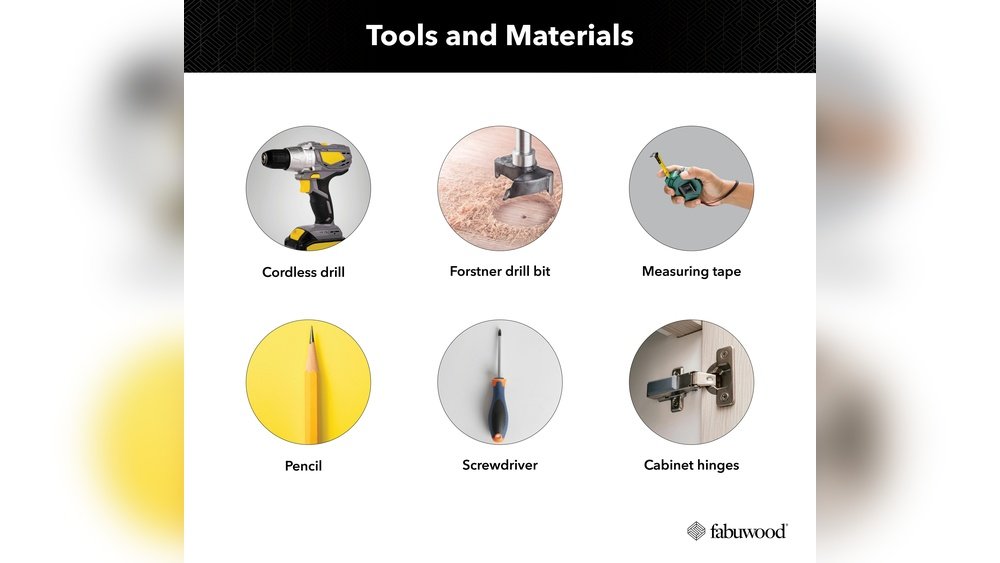
Before drilling holes for kitchen cabinet hinges, gather the right tools and materials. Using the correct items makes the job easier and more accurate. It also helps avoid damage to your cabinets. Prepare everything before starting to save time and reduce mistakes.
Essential Drilling Tools
You need a power drill with a variable speed setting. A drill bit set is important, especially a Forstner bit for clean, flat-bottomed holes. A tape measure helps mark exact positions. A pencil or marker is useful for precise markings. Clamps keep cabinet doors steady during drilling.
Choosing The Right Hinges
Select hinges that fit your cabinet type and door style. European-style concealed hinges are popular for modern kitchens. Check the hinge size and overlay to match your cabinet doors. Some hinges require larger or deeper holes, so check the specifications. Having the right hinges ensures smooth door operation.
Safety Gear
Protect your eyes with safety goggles to avoid dust and debris. Wear ear protection if your drill is loud. Use gloves to protect your hands from sharp edges. A dust mask keeps you from inhaling wood particles. Safety gear prevents injuries and keeps you comfortable while working.

Credit: kitchenwarehouseltd.com
Preparing The Cabinet Door
Preparing the cabinet door is a key step before drilling holes for hinges. Careful preparation helps ensure the hinges fit well. This step prevents mistakes that can damage the door or cause misalignment. Take your time and follow each instruction closely.
Measuring Hinge Placement
Start by measuring where the hinges will go on the door. Use a tape measure or ruler for accuracy. Most cabinet doors place hinges about 3 inches from the top and bottom edges. Mark these points lightly with a pencil. Double-check measurements to avoid errors.
Marking Drill Points
Next, mark the exact drill points for the hinge screws. Use a pencil to make small dots where the screws will go. Hold the hinge against the door at the marked placement. Mark through the screw holes on the hinge for precise points. Clear, accurate marks make drilling easier.
Using A Template
A template can speed up marking and drilling. You can buy one or make your own. Place the template on the door aligned with your measurements. It shows where to drill all holes for the hinge. Using a template reduces mistakes and keeps holes straight.
Selecting The Drill Bit
Selecting the right drill bit is key to drilling perfect holes for kitchen cabinet hinges. The drill bit size and type affect how well the hinge fits and how strong the hold will be. Choosing the proper drill bit helps avoid damage to the cabinet doors and makes installation easier. This section explains how to pick the right drill bit for your project.
Size Matching The Hinge Cup
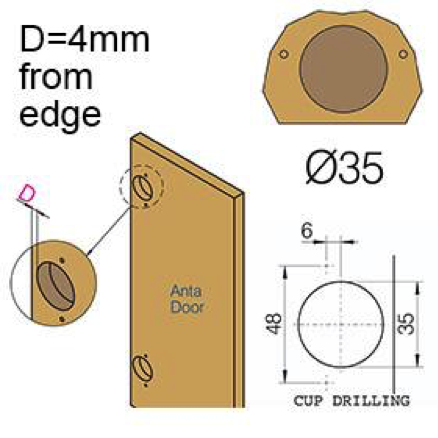
Hinge cups need specific hole sizes to fit correctly. Measure the hinge cup diameter before drilling. Most cabinet hinges require a 35mm hole size. Use a drill bit that matches this size exactly. A smaller or larger bit can cause the hinge to fit poorly. Always check the hinge instructions for the exact hole size. Correct size ensures the hinge sits flush and works smoothly.
Types Of Drill Bits For Wood
Wood requires special drill bits for clean holes. Spade bits are popular for large holes like hinge cups. They cut quickly but can leave rough edges. For smoother holes, try Forstner bits. They create clean, flat-bottomed holes. Brad point bits work well for small pilot holes. Choose bits made for wood to avoid splintering. Sharp bits make drilling easier and reduce wood damage.
Credit: www.eurofitdirect.co.uk
Drilling The Hinge Holes
Drilling the hinge holes is a key step in installing kitchen cabinet hinges. Accurate holes ensure the door fits well and opens smoothly. Taking time to prepare the drill and measure carefully makes a big difference. The process requires focus and a steady hand for the best results.
Setting Drill Depth
Set the drill depth to match the hinge cup size. Most hinges need a hole about 35mm deep. Use a drill stop or tape on the bit to mark the depth. This prevents drilling too deep and damaging the cabinet.
Drilling At The Correct Angle
Hold the drill straight and steady. The hole should be perpendicular to the cabinet surface. Tilting the drill can cause the hinge to sit unevenly. Use a guide or jig for precise drilling angles.
Avoiding Common Mistakes
Do not rush the drilling process. Drilling too fast can cause splintering. Start with a small pilot hole to guide the larger bit. Check measurements twice before drilling. Avoid drilling off-center holes, which misalign the hinges and door.
Attaching The Hinges
Attaching the hinges to your kitchen cabinet doors is a key step. It makes sure the doors open and close smoothly. Proper attachment keeps the doors stable and aligned. Follow these steps to attach hinges securely and check their function.
Aligning Hinges Properly
Place the hinge on the door edge where you drilled the holes. Make sure the hinge sits flat and straight. Check that the hinge cup fits inside the drilled hole perfectly. Use a pencil to mark screw holes if needed. Proper alignment prevents door misfit and damage.
Securing Hinges With Screws
Use screws that match the hinge holes and cabinet material. Tighten screws by hand or with a drill on low speed. Avoid over-tightening to prevent wood damage. Start with the top screw, then the bottom screw. This method holds the hinge firmly and evenly.
Testing Door Movement
Open and close the door slowly after attaching hinges. Watch for smooth motion without sticking or gaps. Adjust screws slightly if the door is uneven. The door should close flush with the cabinet frame. Testing early avoids future problems.
Troubleshooting And Tips
Drilling holes for kitchen cabinet hinges can be tricky. Mistakes happen. Doors might not fit right or hinges may loosen over time. This section helps you fix common problems and keep your cabinets working well. Simple tips save time and avoid frustration.
Fixing Misaligned Holes
Misaligned holes cause doors to hang unevenly. Use wood filler to fill wrong holes. Let it dry fully. Drill new holes carefully using a template. Check alignment by holding the hinge in place first. Small shifts make a big difference.
Improving Door Fit
Loose or tight doors need adjusting. Tight doors may need slightly larger holes or smaller screws. Loose doors can be tightened with longer screws or washers behind hinges. Sand door edges gently to prevent rubbing. Test door movement after each fix.
Maintaining Hinges Over Time
Hinges wear out with use. Clean hinges regularly to remove dust and grime. Apply a small drop of oil to keep them moving smoothly. Tighten screws every few months. Replace worn hinges to avoid damage to doors or frames.
Frequently Asked Questions
How Do I Measure For Cabinet Hinge Holes?
Measure precisely where the hinge will sit on the door. Mark the drill points using a template or ruler for accuracy. Correct measurements ensure proper door alignment and smooth operation.
What Drill Bit Size Is Best For Cabinet Hinges?
Use a 35mm Forstner bit for European-style hinges. For smaller hinges, a 1/8 to 1/4 inch bit works well. Choosing the right size prevents damage and ensures a snug fit.
How Deep Should I Drill Holes For Cabinet Hinges?
Drill holes about 12-13mm deep for most cup hinges. Depth depends on hinge specifications and door thickness. Proper depth allows the hinge cup to sit flush.
Can I Drill Hinge Holes Without A Jig?
Yes, but using a jig guarantees accuracy and consistency. Without a jig, take careful measurements and mark spots clearly. Be patient and drill slowly to avoid mistakes.
Conclusion
Drilling holes for kitchen cabinet hinges is simple with the right steps. Measure carefully and mark spots clearly before drilling. Use the correct drill bit to avoid damage. Take your time and work steadily for best results. Proper hole placement helps your cabinets open smoothly.
Small mistakes can cause problems, so stay focused. With practice, this task becomes easier and faster. Your kitchen will look neat and function well after finishing. Keep these tips in mind for any cabinet work ahead.
