


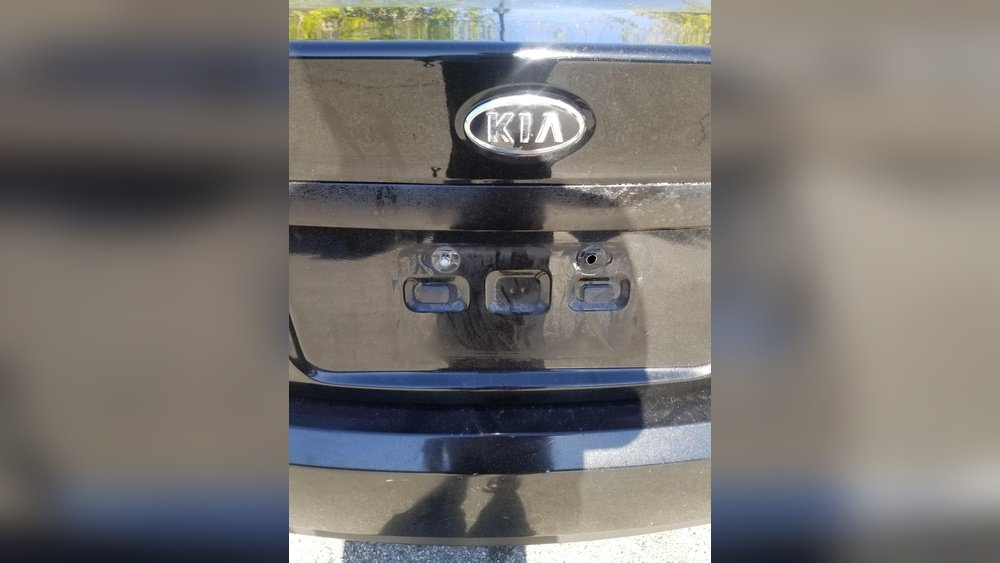
Are you ready to give your car a neat, secure spot for your back license plate? Drilling holes might sound tricky, but with the right steps, you can do it yourself quickly and safely.
Imagine saving time and money by handling this task on your own, without worrying about mistakes. In this guide, you’ll learn exactly how to drill holes for your back license plate with confidence and ease. Keep reading, and you’ll discover simple tips that make the job stress-free and get your plate perfectly in place.

Credit: www.reddit.com
Tools Needed
Drilling holes for a back license plate needs the right tools. Using proper tools makes the job easier and safer. It helps to get clean holes without damage. Here are the essential tools you need to prepare before starting.
Drill Types
A cordless drill is the best choice for this task. It offers mobility and enough power for metal or plastic. A corded drill works too but needs a power source. Choose a drill with adjustable speed to control drilling carefully.
Drill Bits
Use metal drill bits for car surfaces. A 1/8-inch bit works well for license plate screws. Start with a smaller bit to make a pilot hole. This prevents cracking or slipping during drilling.
Measuring Tools
Measure precisely to place holes in the right spot. Use a ruler or tape measure for accuracy. A pencil or marker helps mark where to drill. Double-check measurements to avoid mistakes.
Safety Gear
Protect your eyes with safety goggles against metal shavings. Wear gloves to avoid cuts from sharp edges. Use ear protection if the drill is noisy. Safety first keeps the task hassle-free and safe.
Preparing The License Plate
Preparing the license plate is the first step before drilling holes. It ensures the plate fits correctly on your vehicle. Careful preparation prevents mistakes and damage. Take your time to get it right.
Marking Hole Positions
Place the license plate on a flat surface. Use a ruler to find the exact spot for each hole. Mark these spots with a pencil or marker. Double-check the marks to ensure they match your car’s mounting points. Accurate marks make drilling easier and cleaner.
Aligning The Plate
Hold the plate against the car’s mounting area. Check if the marks line up with the car’s holes. Adjust the plate until it fits perfectly. Keep the plate steady while drilling to avoid mistakes. Proper alignment keeps the plate straight and secure.
Marking Drill Points On The Car
Marking drill points on the car is a crucial step before installing a back license plate. Precise marks prevent mistakes and keep the plate secure. This step helps you avoid unnecessary holes or damage to your car’s surface.
Careful marking ensures the holes align perfectly with the license plate. It also saves time during drilling and installation. Taking your time here makes the whole process smoother and safer.
Using A Template
Start by placing a template on the car’s back panel. A template shows exact hole locations for drilling. You can use the license plate frame or a printed guide.
Hold the template firmly to avoid shifting. Use a pencil or marker to mark the hole points clearly. Make sure the template sits flat against the car.
Double-checking Measurements
After marking, measure the points twice. Use a ruler or tape measure for accuracy. Check distances between marks and edges carefully.
Confirm the marks match the license plate holes exactly. Small errors can cause misalignment later. Correct any mistakes before drilling to avoid damage.
Drilling The Holes
Drilling holes for a back license plate needs care and precision. The right approach ensures a secure fit and avoids damage to your vehicle. Follow these steps to drill clean, accurate holes.
Selecting Drill Speed
Choose a slow to medium drill speed. High speed can cause the drill bit to slip. It may also damage the car’s paint and metal. A steady speed gives more control and better results. Use a drill with adjustable speed if possible.
Drilling Technique
Mark the exact spot before drilling. Use a center punch or a nail to make a small dent. This keeps the drill bit from wandering. Hold the drill straight and steady. Apply gentle pressure. Let the drill do the work. Avoid pushing too hard to prevent cracking or bending.
Avoiding Damage
Protect the car’s surface with tape around the drilling area. This prevents scratches and paint chips. Use a drill bit made for metal. Wear safety glasses to protect your eyes. After drilling, clean the holes and remove any sharp edges with sandpaper. This keeps the plate secure and your car safe.
Finishing Touches
After drilling holes for your back license plate, finishing touches make all the difference. These steps ensure your plate looks neat and stays secure for a long time. Take time to smooth edges, install the plate properly, and fasten it tightly.
Smoothing Rough Edges
Drilled holes can leave sharp or rough edges. Use a small file or sandpaper to smooth these areas. Smooth edges prevent scratches and damage to your license plate or car paint. Take care to remove all burrs for a clean finish.
Installing License Plate
Align the license plate with the drilled holes on your car. Hold it steady to avoid movement. Check if the plate sits flat against the surface. Proper alignment helps the plate look straight and professional.
Securing With Screws
Choose screws that fit well with the holes and plate. Insert each screw carefully without forcing it. Tighten screws until snug but avoid over-tightening. Over-tightening can crack the plate or strip the hole threads.
Common Mistakes To Avoid
Drilling holes for your back license plate may seem easy. Many people still make avoidable mistakes. These errors can cause damage or poor fit. Knowing common mistakes helps you drill holes correctly. Avoid these pitfalls to save time and effort.
Misaligned Holes
Mark the spot carefully before drilling. Misaligned holes cause the plate to sit unevenly. Use a ruler or tape to measure exact points. Double-check the alignment with the plate holes. Drilling holes too far apart or close ruins the look.
Using Wrong Drill Bit
Choose the right drill bit size for the screws. Too large holes make the plate loose. Too small bits can crack the plate or metal. Use a metal drill bit for metal bumpers. A plastic drill bit works for plastic surfaces.
Ignoring Safety Precautions
Wear safety goggles to protect your eyes from metal shards. Use gloves to avoid cuts while handling tools. Keep the drilling area clean and stable. Secure the plate and bumper to stop slipping. Avoid rushing to prevent accidents.
Tips For Different Vehicle Types
Drilling holes for a back license plate varies by vehicle type. Different bumpers need different care and tools. Knowing your vehicle helps avoid damage and makes the job easier.
Metal Bumpers
Metal bumpers are strong but need careful drilling. Use a sharp drill bit made for metal. Mark the spots clearly before you start. Drill slowly to avoid slipping. Wear gloves to protect your hands.
Plastic Bumpers
Plastic bumpers are softer and can crack easily. Use a smaller drill bit first. Slowly widen the hole to the right size. Avoid too much pressure to prevent cracks. Support the bumper from behind while drilling.
Older Vehicles
Older vehicles may have rust or weak spots. Check the bumper for damage before drilling. Use rust remover if needed. Drill carefully to avoid breaking old metal or plastic. Consider using existing holes if possible.

Credit: www.reddit.com
Credit: www.gr86.org
Frequently Asked Questions
How Do I Measure The Correct Spot To Drill License Plate Holes?
Measure the distance between existing holes on your plate. Mark corresponding points on your vehicle’s mounting area. Use a ruler or tape for accuracy. This ensures proper alignment and avoids damage during drilling.
What Drill Bit Size Is Ideal For License Plate Holes?
Use a 1/8-inch or 3/16-inch drill bit for standard license plate screws. This size fits most mounting bolts securely. Choosing the right drill bit prevents oversized holes and keeps the plate stable.
How Can I Avoid Damaging My Car When Drilling?
Use masking tape over the drilling area to protect paint. Drill slowly with steady pressure to prevent slipping. Always double-check measurements before drilling to avoid unnecessary holes.
Should I Remove The License Plate Before Drilling New Holes?
Yes, removing the plate provides clear access and precise drilling. It also prevents scratches or damage to the plate itself. Handling the plate separately makes alignment easier.
Conclusion
Drilling holes for your back license plate is simple with the right steps. Measure carefully and mark spots clearly before you drill. Use the correct drill bit size to avoid damage. Take your time and work slowly for the best results.
A properly mounted plate stays secure and looks neat. Follow these tips to complete the job safely and easily. Now, your license plate will fit perfectly without trouble.
