


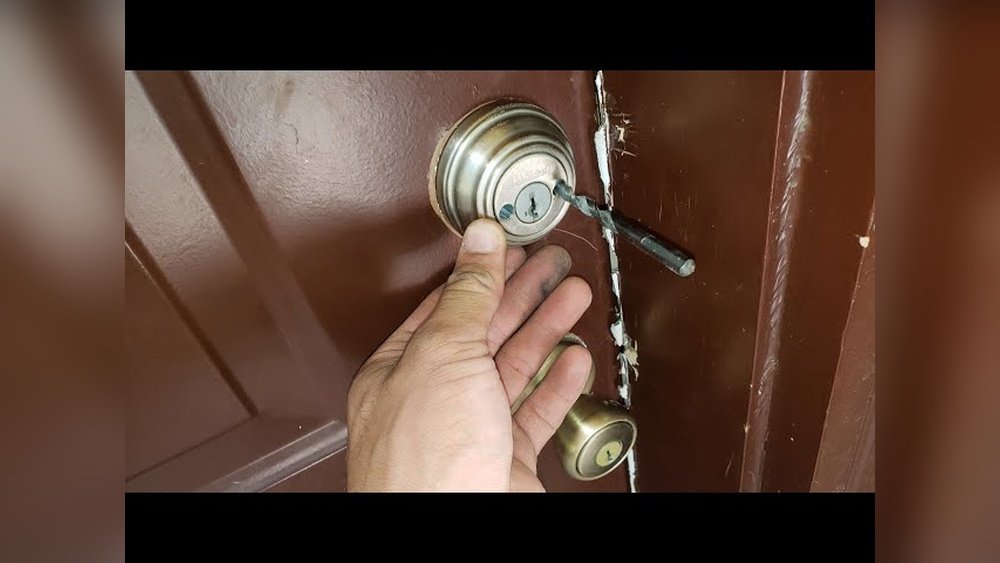
If you need to install a deadbolt or replace an old one, knowing how to drill for a deadbolt is key. You might feel nervous about making mistakes or damaging your door.
But don’t worry—this guide will walk you through each step clearly and simply. By the end, you’ll have the confidence to drill the perfect holes and boost your home’s security. Keep reading, and you’ll learn the exact tools and techniques to get the job done right the first time.
Choosing The Right Deadbolt
Choosing the right deadbolt is important for home security. A good deadbolt protects your door and keeps intruders out. It also fits your door and locks easily. Understanding the types, materials, and features helps make a smart choice.
Types Of Deadbolts
Single-cylinder deadbolts use a key outside and a thumb turn inside. They are common and easy to use. Double-cylinder deadbolts need a key on both sides. They add security but can be tricky in emergencies. There are also lockable thumb turn deadbolts, which combine ease and safety.
Material And Durability
Look for deadbolts made from solid metal like brass or steel. These materials resist wear and break-ins. Avoid cheap alloys that break easily. A durable deadbolt lasts longer and stays strong against force.
Security Features To Consider
Choose deadbolts with hardened steel inserts to stop sawing. Anti-drill plates block drilling attacks. Pick bump-resistant locks to prevent picking. Some deadbolts have reinforced strike plates for extra strength. These features boost your door’s security effectively.

Credit: www.youtube.com
Gathering Necessary Tools
Before drilling for a deadbolt, gather all necessary tools. Having the right tools makes the job easier and safer. Preparation is key. You need tools for drilling, safety, and measuring. This ensures accuracy and protects you during the work.
Essential Drilling Tools
Start with a power drill suitable for metal and wood. Choose drill bits designed for the door material. A hole saw bit is important for the main hole. Also, include smaller bits for pilot holes. A screwdriver helps adjust and remove screws. Keep a tape measure nearby to check drill depth.
Safety Equipment
Wear safety glasses to protect your eyes from dust and debris. Use ear protection to guard against loud drill noise. Gloves protect your hands from sharp edges and splinters. A dust mask keeps harmful particles away from your lungs. Safety gear reduces the risk of injury significantly.
Marking And Measuring Tools
A pencil or marker is needed to mark drilling points on the door. Use a ruler or tape measure for accurate placement. A combination square helps keep markings straight and level. Proper marking prevents mistakes and misaligned holes. Take your time to measure twice before drilling once.
Preparing The Door
Preparing the door is the first step before drilling for a deadbolt. It helps make the installation smooth and safe. Taking time to prepare the door properly prevents mistakes and damage.
Checking Door Material
Know the type of door you have. Wood, metal, and fiberglass require different drill bits. Wood is easier to drill but can splinter. Metal doors need special bits and more pressure. Fiberglass doors need care to avoid cracking.
Check the door thickness too. Standard deadbolts fit doors 1 3/4 inches thick. Thicker or thinner doors might need special hardware.
Marking Drill Points
Measure carefully before marking. Use a tape measure and pencil. Mark the spot for the deadbolt hole on the door edge. Also, mark the hole on the door face for the lock cylinder.
Double-check your measurements. Marks must be straight and centered. A crooked hole causes a poor lock fit and door damage.
Ensuring Proper Alignment
Align the marks on both sides of the door. Use a level to make sure the holes line up perfectly. Proper alignment helps the deadbolt work smoothly.
Check the door frame too. The strike plate must line up with the deadbolt. Measure carefully to avoid future problems with locking.
Drilling The Door
Drilling the door is a key step in installing a deadbolt. It requires care and precision. You need to prepare your tools and follow the right process. This ensures a secure fit for your deadbolt. The door must have two holes: one on the face and one on the edge. Each hole has a specific size and depth.
Setting Drill Speed And Depth
Start by setting your drill to a low speed. This gives better control and reduces mistakes. High speed can cause splintering or slipping. Use a drill stop or tape to mark the depth on the drill bit. This helps avoid drilling too deep. Keep the drill steady and straight for clean holes.
Drilling The Face Bore
The face bore is the large hole on the door’s front. Use a hole saw bit sized for your deadbolt. Place the drill bit on the marked spot. Drill slowly and steadily through the door. Stop when you reach the marked depth. Check the hole for smooth edges and adjust if needed.
Drilling The Edge Bore
The edge bore is a smaller hole on the door’s edge. It lets the latch fit inside. Use a spade bit or hole saw smaller than the face bore. Align the drill bit with the center mark on the edge. Drill straight into the door to the correct depth. Clean out any wood chips for a perfect fit.
Installing The Deadbolt
Installing a deadbolt is a key step to improve your door’s security. This process requires care and attention to detail. Proper installation ensures your lock works smoothly and protects your home well.
Fitting The Lock Cylinder
Start by placing the lock cylinder into the hole on the door. Align it with the latch mechanism inside. Secure the cylinder using the screws provided. Make sure it fits snugly and does not move around.
Securing The Strike Plate
Next, attach the strike plate to the door frame. Position it where the bolt will slide in fully. Use screws to fasten the plate firmly. This keeps the door strong and helps the lock function properly.
Testing Lock Functionality
Turn the key or thumb turn to test the lock. Check if the bolt moves smoothly in and out. Open and close the door to ensure the lock catches correctly. Adjust if the lock feels stiff or does not align well.

Credit: www.familyhandyman.com
Safety Tips And Common Mistakes
Drilling for a deadbolt needs care and attention. Safety tips help avoid damage and accidents. Common mistakes can ruin your door or lock. Follow these guidelines for a smooth job.
Avoiding Door Damage
Choose the right drill bit size for your door. Use a sharp bit to prevent splintering. Drill slowly to control the cut and avoid cracks. Support the door to stop it from moving. Cover the area with tape to reduce chipping. Check your measurements twice before drilling.
Preventing Misalignment
Mark the exact spots for holes carefully. Use a template if available for better accuracy. Keep the drill perpendicular to the door surface. Start with a small pilot hole to guide the bigger bit. Measure the deadbolt components before drilling. Align the holes to fit the lock parts perfectly.
Maintaining Personal Safety
Wear safety goggles to protect your eyes from dust. Use ear protection to reduce noise from the drill. Keep your hands clear of the drill bit. Wear gloves for better grip and protection. Make sure the drill is in good condition. Work in a well-lit area to see clearly.
Maintaining Your Deadbolt
Maintaining your deadbolt keeps your home safe and your lock working well. Regular care helps avoid problems like jamming or breaking. Simple steps can extend the life of your deadbolt and save you money.
Regular Lubrication
Apply a small amount of lubricant to the deadbolt keyhole and bolt. Use graphite powder or a silicone-based spray. Avoid oil-based lubricants; they attract dirt and dust. Lubricate the lock every six months or when it feels stiff. This keeps the lock smooth and easy to turn.
Checking For Wear And Tear
Look at your deadbolt parts for signs of damage. Check the key, cylinder, and bolt for scratches or cracks. Test the lock by turning the key; it should move easily. If the key sticks or the bolt is slow, parts may be worn out. Early checks help prevent lock failure.
When To Replace Components
Replace any broken or damaged parts immediately. If the key bends or the lock jams often, it is time to change parts. Also replace the deadbolt if it shows rust or corrosion. New components improve security and prevent lockouts. Keep your home safe with timely replacements.

Credit: www.parkavenuelocks.com
Frequently Asked Questions
What Tools Do I Need To Drill For A Deadbolt?
You need a drill, drill bits, a hole saw, a chisel, measuring tape, pencil, and safety glasses. These tools ensure precise and safe drilling for your deadbolt installation.
How Do I Mark The Door For Deadbolt Drilling?
Measure and mark the desired height on the door edge and face using a pencil. Accurate marks guide correct hole placement for the lock and bolt.
What Size Hole Should I Drill For A Deadbolt?
Drill a 2 1/8-inch hole for the lock body and a 1-inch hole in the door edge for the bolt. These standard sizes fit most deadbolt kits.
Can I Drill A Deadbolt On Any Door Type?
Most wooden and metal doors can be drilled for deadbolts. However, hollow or glass doors may need special locks or professional installation.
Conclusion
Drilling for a deadbolt can seem tough but is doable. Use the right tools and follow each step carefully. Take your time to avoid mistakes or damage. Safety matters, so wear protective gear while drilling. Proper installation keeps your home secure and gives peace of mind.
Keep this guide handy for future reference. Practice makes the task easier and builds confidence. Stay patient and focused throughout the process. Your door will be stronger and safer after you finish.
