


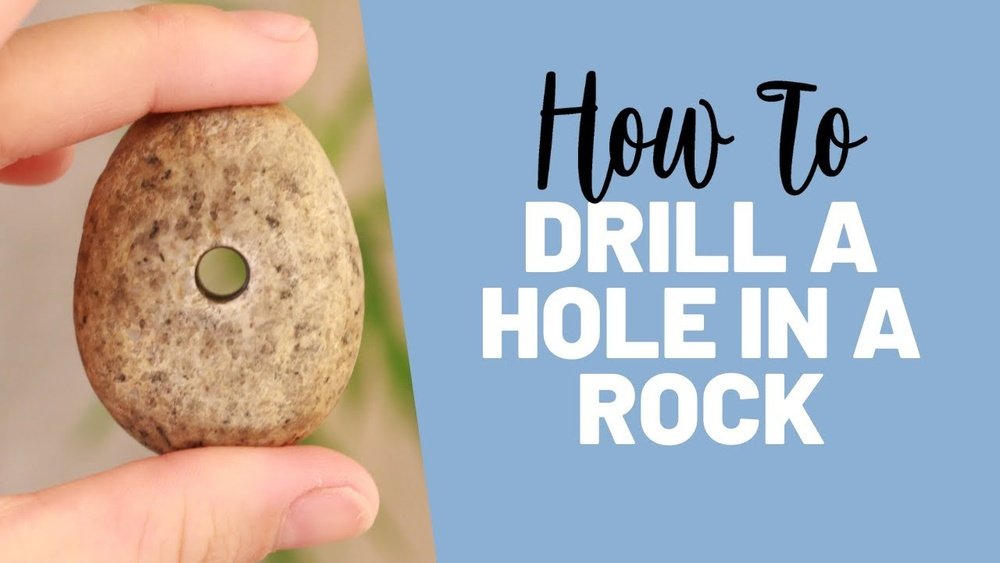
Have you ever wanted to drill a hole in a rock but didn’t know where to start? Whether you’re working on a DIY project, creating garden decorations, or setting up a unique piece of art, drilling into rock can seem tricky.
But here’s the good news: with the right tools and simple steps, you can do it yourself safely and effectively. This guide will show you exactly how to drill a hole in a rock, so you can get your project done without frustration or mistakes.
Ready to learn the secrets that make this task easier than you think? Keep reading, and you’ll be drilling like a pro in no time.
Choosing The Right Tools
Choosing the right tools is the first step to successfully drill a hole in a rock. The right tools make the job easier and safer. Using poor tools can cause damage or accidents. This section explains the best tools for drilling into rock.
Types Of Drills For Rock
Not all drills work well on rock. A hammer drill is the best choice. It combines rotation and pounding action. This breaks the rock as it drills. A rotary drill can work but is slower and less effective. Corded drills give more power than battery-powered ones. Choose a drill with high speed and torque for hard rocks.
Selecting Drill Bits
Drill bits must be strong and sharp. Carbide-tipped bits are ideal for drilling rock. They stay sharp longer and resist heat. Masonry bits can work for soft rocks but wear out fast. Use the right size bit for your hole. Change bits if they become dull or break. Keep bits cool by spraying water during drilling.
Essential Safety Gear
Safety comes first when drilling rock. Wear safety goggles to protect your eyes from dust and chips. Use ear protection to block loud drill noise. Gloves protect your hands from sharp edges and vibration. Wear a dust mask to avoid breathing rock dust. Closed-toe shoes prevent foot injuries from falling debris.
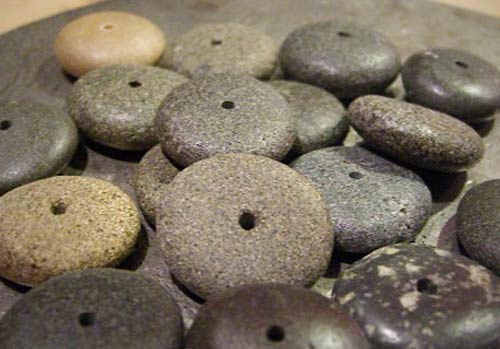
Credit: jewelrytutorialhq.com
Preparing The Rock Surface
Preparing the rock surface is a crucial step before drilling a hole. Proper preparation ensures a clean, precise hole and protects your tools. It also helps avoid accidents during drilling.
Cleaning And Marking The Spot
Start by cleaning the rock surface. Remove dirt, dust, and loose debris with a brush or cloth. A clean surface helps the drill bit stay steady and marks stay clear.
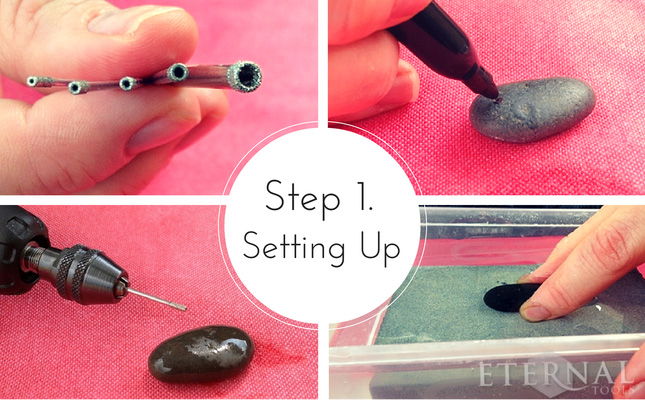
Next, mark the exact spot where you want to drill. Use a pencil or a marker that shows well on the rock. Make a small dot or cross to guide your drill bit.
Securing The Rock In Place
Hold the rock firmly to stop it from moving. Use clamps or a sturdy vise to secure the rock. This keeps your hands safe and helps you drill straight.
Double-check the rock’s position before starting. A stable rock surface leads to better results and less damage to your drill bit.
Drilling Techniques
Drilling a hole in a rock requires careful techniques to ensure success. The right method helps prevent damage to both the rock and the drill bit. Focus on starting the hole properly, keeping the drill speed steady, and cooling the drill bit during the process. These steps make drilling easier and safer.
Starting The Hole
Begin by marking the spot where the hole will go. Use a center punch or nail to create a small indentation. This stops the drill bit from slipping. Start drilling slowly with light pressure. This helps the bit grip the rock surface. Keep the drill straight and steady as you start.
Maintaining Drill Speed And Pressure
Keep the drill speed moderate and consistent. Too fast can overheat the bit and crack the rock. Too slow wastes time and wears the bit. Apply steady, gentle pressure. Pressing too hard can break the bit or damage the rock. Let the drill do the work. Pause if the drill gets stuck or the rock cracks.
Cooling The Drill Bit
Drilling heats the bit and rock. Heat can dull or break the bit. Use water or a cooling spray to keep the bit cool. Stop drilling every few minutes to add water. This reduces heat and dust. Cooling extends the life of the drill bit and helps the hole stay clean.
Credit: eternaltools.com
Handling Common Challenges
Drilling a hole in rock is not always easy. Rocks come with different problems that can slow down your work. Knowing how to handle these common challenges helps you drill better and faster. This section covers two main issues you might face while drilling.
Dealing With Cracks And Fractures
Cracks and fractures make drilling tricky. They can cause the drill bit to slip or break. Start by inspecting the rock surface carefully. Mark the cracks so you can avoid them or drill gently near them.
Use a smaller drill bit to start the hole. This reduces pressure and lowers the risk of cracking the rock further. Slow down the drilling speed as you approach cracks. This control helps prevent sudden breaks.
Keep the drill steady and apply light, even pressure. If the rock shifts or breaks, stop immediately. Adjust your angle or try a different spot. Patience is key to dealing with cracks safely.
Drilling In Hard Vs. Soft Rock
Hard and soft rocks need different drilling methods. Hard rocks like granite require strong, sharp drill bits. Use a hammer drill or rotary hammer for tough rocks. Apply steady pressure but do not force the drill.
Soft rocks like sandstone need less force. Use a regular drill with a masonry bit. Drill slowly to avoid breaking the rock. Keep the drill bit cool by pausing and spraying water if needed.
Always match your tools to the rock type. This saves time and prevents damage to your equipment. Understanding the rock hardness helps you choose the right approach.
Finishing The Hole
After drilling a hole in a rock, the work is not done yet. Finishing the hole properly makes it safe and ready to use. It also helps the hole last longer and look better. Two important steps follow drilling: cleaning debris and smoothing edges.
Cleaning Debris
Drilling creates dust and small rock pieces inside the hole. Remove these with a brush or compressed air. Cleaning clears the hole and helps you see any problems. It also prevents dirt from blocking the hole later. Use a small brush or blow air gently until the hole looks clean.
Smoothing Edges
Drilled holes often have rough edges. These edges can cause cuts or damage materials. Use sandpaper or a small file to smooth the edges carefully. Rub the edges until they feel smooth to touch. Smoothing also helps tools or objects fit better inside the hole. Take your time to avoid breaking the rock around the hole.

Credit: www.youtube.com
Maintenance And Care For Tools
Taking care of your tools is key to drilling holes in rock safely and efficiently. Proper maintenance keeps drill bits sharp and machines running smoothly. It also saves money by preventing early wear and damage.
Simple habits like cleaning and storing tools properly extend their life. This section covers easy steps to care for your drilling equipment. Follow these tips for better results every time.
Cleaning Drill Bits
Remove dust and debris from drill bits after each use. Use a brush to clear small particles stuck in the grooves. Wipe the bits with a cloth soaked in light oil. This prevents rust and keeps the metal strong.
Check drill bits for cracks or dullness regularly. Replace or sharpen them as needed to avoid breaking during drilling. Clean bits work better and make drilling easier.
Storing Equipment Properly
Store drill bits and tools in a dry, cool place. Use a toolbox or container with compartments to avoid damage. Keep bits separated to prevent them from knocking against each other.
A clean storage area reduces rust and keeps tools ready for the next job. Avoid leaving tools on the ground or in damp spots. Proper storage protects your investment and ensures safety.
Frequently Asked Questions
What Tools Do I Need To Drill A Hole In Rock?
You need a hammer drill, masonry bit, safety goggles, gloves, and water to cool the bit. These tools ensure efficient and safe drilling.
How Do I Choose The Right Drill Bit For Rock?
Select a carbide-tipped masonry drill bit for rock. It is durable and designed to penetrate hard surfaces like stone and concrete.
Can I Drill A Hole In Rock Without Power Tools?
Yes, but it is slow and difficult. Manual methods include using a chisel and hammer, but power tools are faster and more precise.
How Do I Prevent The Drill Bit From Overheating?
Use water to cool the drill bit. Pause drilling periodically and apply water to reduce heat and prolong bit life.
Conclusion
Drilling a hole in rock takes the right tools and careful steps. Always wear safety gear to protect yourself. Start with a small drill bit to guide the hole. Take your time and keep the drill steady. Check your progress often to avoid mistakes.
With patience, you can drill through tough rock. Practice helps you improve and finish faster. Remember, safety and slow work lead to success. Now, you have what it takes to drill rock safely and well.
