

Are you struggling to figure out if your Bosch hammer drill can go in reverse? Knowing this simple feature can save you time and frustration on your projects.
Whether you’re loosening stubborn screws or backing out a drill bit, understanding how the reverse function works will make your work smoother and more efficient. Keep reading to discover the answer and learn how to make the most of your Bosch hammer drill every time you use it.
Bosch Hammer Drill Features
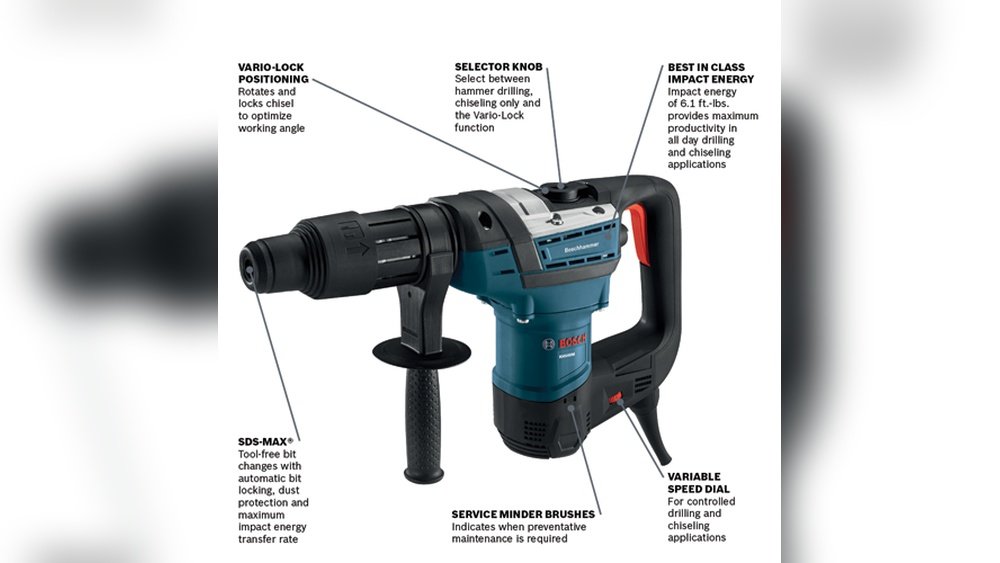
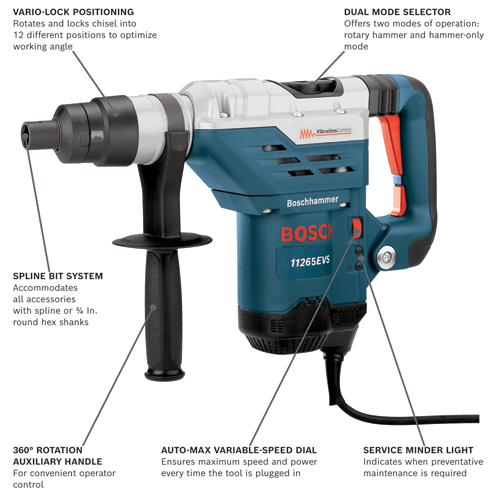
The Bosch hammer drill offers many useful features for both DIYers and professionals. It is designed to handle tough drilling tasks with ease. Its features focus on durability, power, and ease of use. Understanding these features helps you decide if it fits your needs.
Design And Build
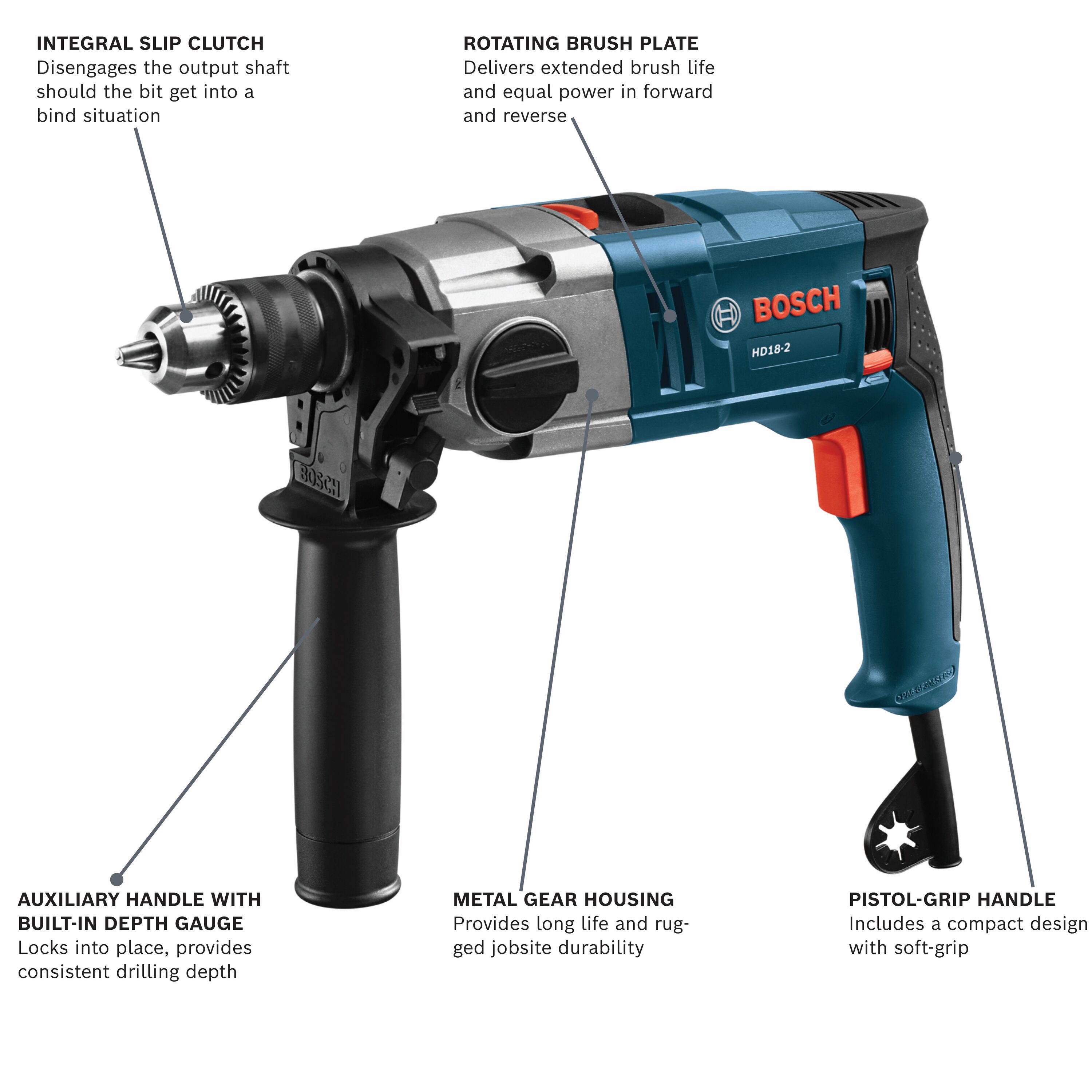
The Bosch hammer drill has a sturdy and compact design. Its body is made from strong materials that resist wear and tear. The handle is ergonomic, giving a comfortable grip for long use. The drill is lightweight, which reduces user fatigue. Its design allows easy control and precision during work.
Power And Performance
Bosch hammer drills deliver strong power for drilling into hard surfaces. The motor runs smoothly and maintains consistent speed. It can handle concrete, wood, and metal with no problem. The drill has variable speed settings to match different jobs. This makes it a versatile tool for many tasks.
Forward And Reverse Functions
This drill includes forward and reverse functions. You can switch the drill to rotate clockwise or counterclockwise. The reverse function helps remove screws or drill bits stuck in material. Switching directions is simple with a switch near the trigger. This feature adds convenience and saves time during work.

Credit: www.lowes.com
Using Reverse Mode
Using reverse mode on a Bosch hammer drill adds great flexibility. It allows you to remove screws and clear jams. This mode helps in many tasks beyond drilling. Understanding how to use it properly improves your work.
Activating Reverse
Locate the forward/reverse switch near the trigger. Push it to the opposite side to enable reverse mode. The drill will spin backward. Make sure the tool is off before changing direction. This avoids damage and keeps you safe.
Common Uses For Reverse
Reverse mode helps remove screws quickly. It also frees a stuck drill bit. Use it to back out fasteners without extra tools. This mode works well for unscrewing bolts and clearing debris. It saves time and effort on many jobs.
Safety Tips
Always hold the drill firmly in reverse. Watch your hands to avoid injury from slipping. Check the drill bit condition before use. Stop immediately if the drill binds or stalls. Wear safety glasses to protect your eyes from debris.
Troubleshooting Reverse Issues
Troubleshooting reverse issues with the Bosch hammer drill can save time and avoid frustration. The reverse function is useful for removing screws and backing out drill bits. Sometimes, it may not work as expected. Understanding common problems helps fix the issue quickly. This section explains why the reverse might fail, how to fix it, and when to get professional help.
Why Reverse Might Not Work
The reverse switch can wear out over time. Dirt or dust inside the drill may block the switch. The battery may be low or not connected properly. Internal parts like brushes or the motor could be damaged. Sometimes, the drill’s settings or mode lock stops the reverse function. Checking these simple causes first saves time.
Fixing Common Problems
Start by cleaning the drill and the switch area. Remove dust and debris with a soft brush or compressed air. Check the battery charge and connection. Make sure the drill is not in hammer-only mode. Test the reverse switch several times to loosen it. If brushes are worn, replacing them may restore function. Follow the user manual for safe repairs.
When To Seek Professional Help
If the drill still does not reverse, professional repair is needed. Avoid opening the drill if unsure about the parts. Electrical or motor issues require expert tools and knowledge. A certified Bosch technician can diagnose and fix deep problems. Using professional service keeps the drill safe and working longer.
Credit: www.boschtools.com
Comparing Bosch Models
Bosch offers many hammer drill models for different tasks. Some have a reverse feature, while others do not. Knowing these differences helps you pick the right tool for your needs.
Models With Reverse Feature
Many Bosch hammer drills include a reverse function. This helps remove screws and clear jams. Models like the Bosch 11255VSR and Bosch 1191VSR offer this feature. The reverse switch is easy to use and improves control. This feature suits those who work with screws often.
Models Without Reverse Feature
Some Bosch hammer drills focus only on drilling. These models skip the reverse function. They are usually simpler and lighter. Examples include Bosch’s basic hammer drills for light jobs. These tools work well for straightforward drilling tasks. They keep the design simple and cost lower.
Choosing The Right Drill
Think about your common tasks before choosing. If you need to drive screws, pick a drill with reverse. For pure drilling, a basic model works fine. Also, consider weight and size for comfort. Bosch offers options to match different user needs.
Maintenance For Reverse Function
Maintaining the reverse function of the Bosch hammer drill is important. This helps the tool work smoothly and last longer. Proper care avoids problems and keeps the drill ready for any job. Follow these simple steps to care for the reverse feature.
Cleaning And Care
Keep the drill clean after every use. Remove dust and debris from the switch area. Use a dry cloth or soft brush to clean tight spots. Avoid water or harsh chemicals that may damage parts. Clean tools work better and last longer.
Lubrication Tips
Lubricate moving parts inside the drill regularly. Use light machine oil or grease made for power tools. Apply a small amount to the reverse switch and gears. This reduces friction and wear. Proper lubrication helps the reverse function stay smooth.
Regular Checks
Check the reverse switch for any signs of damage. Test the switch often to ensure it moves easily. Listen for unusual sounds when using reverse mode. Tighten loose screws and replace worn parts quickly. Regular checks keep the drill safe and reliable.
Credit: westtnmedicalnews.com
Frequently Asked Questions
Does The Bosch Hammer Drill Have A Reverse Function?
Yes, the Bosch hammer drill includes a reverse mode. This helps in removing screws and backing out drill bits easily.
How Do I Activate Reverse On A Bosch Hammer Drill?
To reverse, use the switch located above the trigger. Slide it to change the drill’s rotation direction.
Can I Use Reverse Mode For Hammer Drilling?
No, reverse mode is meant for screw removal or bit extraction. Hammer drilling works only in forward mode.
Is Reverse Mode Useful For Stuck Drill Bits?
Yes, reverse mode helps to loosen and remove stuck bits quickly and safely.
Conclusion
The Bosch hammer drill does go in reverse. This feature helps remove screws and loosen stuck bits. It adds more control to your work. Knowing this makes the drill more useful for many tasks. Always check the drill settings before starting.
Using reverse mode correctly saves time and effort. Now you can handle projects better with this tool. Simple and practical.
