


Have you ever wanted to join two pieces of wood quickly and securely but didn’t have a pocket hole jig on hand? You’re not alone.
Pocket holes make woodworking projects stronger and cleaner, but jigs can be expensive or hard to find. What if I told you there’s a simple way to drill pocket holes without any special tools? You’ll discover easy steps to create perfect pocket holes using things you probably already have.
Keep reading, and you’ll save time, money, and still get professional-looking results on your next project.
Tools Needed
Drilling a pocket hole without a jig requires the right tools. These tools help you make precise and clean holes. Using the correct equipment makes your project easier and stronger. Below are the main tools needed for this task.
Essential Drill Bits
You need drill bits that fit your screws and wood thickness. A step drill bit works well for making pocket holes. It creates a small pilot hole and a larger hole for the screw head. A countersink bit can also help make clean holes. Keep your bits sharp to avoid splintering the wood.
Clamps And Measuring Tools
Clamps hold your wood steady while drilling. Without clamps, the wood can move and cause mistakes. Use quick-release clamps for easy adjustment. Measuring tools like a ruler or tape measure ensure holes are in the right place. A pencil or marking tool helps mark drilling spots clearly.
Optional Accessories
Some extra tools can improve your work. A square helps keep your drilling angle correct. Sandpaper smooths rough edges after drilling. A drill stop collar limits hole depth to avoid drilling too far. These accessories are not required but make the process smoother.
Choosing The Right Wood
Choosing the right wood is key to drilling a pocket hole without a jig. The wood must hold screws well and not split easily. Selecting the proper wood type and thickness helps create strong joints. This section guides you on which wood works best and how thickness matters.
Wood Types Suitable For Pocket Holes
Softwoods like pine and cedar are easy to drill and hold screws firmly. These woods reduce the chance of cracking. Hardwood, such as oak or maple, is strong but can split if not drilled carefully. Avoid very soft woods like balsa, as screws might not hold well. Choose wood that is smooth and free of knots for better results.
Thickness Considerations
Wood thickness affects screw length and strength of the joint. Ideal thickness is between 3/4 inch and 1 1/2 inches. Thinner wood may crack or split under pressure. Thicker wood needs longer screws to reach deep enough. Measure wood carefully before drilling. Proper thickness ensures tight, secure connections without damaging the wood.
Marking The Pocket Hole
Marking the pocket hole is the first step to drill it without a jig. This step helps you drill at the right spot and angle. Proper marking avoids mistakes and saves wood. Clear marks guide your drill and make your work neat.
Measuring The Drill Angle
Set the drill angle to about 15 degrees. Use a protractor or angle guide to measure it. Mark the angle on the wood edge with a pencil. This mark shows where to start drilling. Keep the angle steady for a strong joint.
Positioning The Hole
Mark the hole position near the wood edge. Leave about 3/4 inch space from the edge. This space stops the wood from splitting. Use a ruler to measure and draw a small dot. This dot is your drilling target.

Credit: www.youtube.com
Drilling Without A Jig
Drilling pocket holes without a jig can seem tricky. A jig helps guide the drill at the right angle. Without one, you need careful techniques to keep your holes straight and strong. This section shows simple ways to drill pocket holes without a jig. You will learn how to create a guide block, drill freehand with control, and use a speed square for correct angles.
Creating A Guide Block
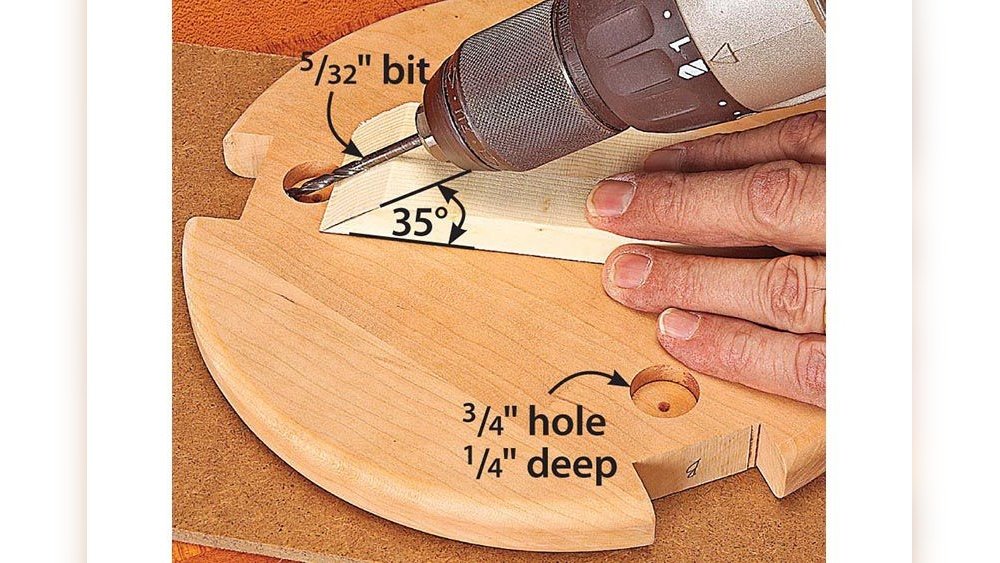
A guide block helps keep your drill steady and at the right angle. Use a scrap piece of wood about the same thickness as your project board. Drill a hole at the angle you want. This hole acts as a guide for your drill bit. Clamp the guide block to your workpiece. Drill through the guide hole. This helps make clean and accurate pocket holes without a jig.
Freehand Drilling Tips
Freehand drilling needs a steady hand and good focus. Hold the drill firmly with both hands. Start drilling slowly to keep the bit from slipping. Keep your eye on the drill bit and watch the angle. Stop and check your work often. Practice on scrap wood first. This builds confidence and skill for drilling straight pocket holes freehand.
Using A Speed Square For Angles
A speed square helps set the correct drill angle. Place the speed square flat on your wood edge. Tilt the drill bit along the square’s angle line. This guides the drill to the right angle. Hold the square firmly while drilling. This method makes drilling pocket holes easier and more accurate without a jig.
Securing The Pieces
Securing the pieces is a key step in drilling a pocket hole without a jig. Holding the wood firmly keeps the joint tight and straight. It helps avoid mistakes and makes sure your project is strong. Use simple tools and smart techniques to hold everything in place.
Clamping Techniques
Use clamps to hold wood pieces tightly together. Place clamps near the joint to prevent movement. Tighten them just enough to keep pieces steady. Avoid over-tightening, which can damage wood. Bar clamps or C-clamps work well for most jobs. If clamps are unavailable, use heavy objects to hold pieces still. Always check that the wood does not slip before drilling.
Aligning The Joint
Proper alignment ensures a clean, strong pocket hole joint. Match edges and surfaces carefully before drilling. Use a square or ruler to check right angles. Make small adjustments until pieces fit perfectly. Mark positions lightly with a pencil to guide drilling. Double-check alignment after clamping to avoid mistakes. Good alignment saves time and improves the final result.
:max_bytes(150000):strip_icc()/jont201-2e6db36344984d458bbf36ea4e3d6e8d.jpg)
Credit: www.woodmagazine.com
Driving The Screws
Driving the screws is a key step in making a strong pocket hole joint without a jig. It holds the wood pieces tightly together. Doing this right prevents damage and keeps the joint solid for a long time. Focus on choosing the right screws and avoiding wood splitting for the best results.
Choosing The Right Screws
Use screws made for pocket hole joints. These screws have a special head that pulls wood pieces tightly. Pick screws that are the right length for your wood thickness. Too short screws won’t hold well. Too long screws can go through the wood.
Choose screws with a coarse thread for soft wood. For hardwood, pick screws with a fine thread. This helps the screw go in smoothly without breaking the wood. A self-drilling screw tip works best to start without extra drilling.
Avoiding Wood Splitting
Wood splits when screws push too hard or go in too fast. Start by drilling a small pilot hole. This makes space for the screw and reduces pressure on the wood. Use a drill at low speed to control the screw better.
Do not force the screw. Let it go in slowly and steadily. Stop if you see cracks forming. Using screws with a smooth shank near the head reduces splitting. Tighten screws just enough to pull pieces together without crushing the wood.
Finishing Touches
After drilling pocket holes without a jig, the project is not quite finished. The final steps improve the look and strength of your work. These finishing touches make the piece neat and durable. Small details can make a big difference in the overall appearance.
Filling Pocket Holes
Holes from pocket screws can be very visible. Filling them helps hide these marks. Use wood filler or putty that matches your wood color. Press the filler into each hole with a small tool or finger. Let it dry fully before moving on. This step makes the surface smooth and ready for finishing.
Sanding And Painting
Sand the filled area lightly with fine sandpaper. This removes rough spots and levels the surface. Wipe off dust with a clean cloth. Paint or stain the wood to match the rest of your project. Use thin, even coats for a smooth finish. Let each coat dry well before adding the next. This process protects the wood and enhances its look.

Credit: www.youtube.com
Safety Tips
Drilling a pocket hole without a jig can be tricky. Safety must be your top priority. Taking simple precautions protects you from injury. It also ensures your work stays precise and clean. Follow these safety tips before starting your project.
Protective Gear
Wear safety glasses to shield your eyes from dust and wood chips. Use ear protection to guard your hearing from loud drill sounds. Gloves can protect your hands but avoid loose ones that may catch in the drill. Wear a dust mask to prevent breathing in fine particles. Dress in close-fitting clothes to avoid snagging on tools.
Safe Drilling Practices
Check your drill bit before use. Make sure it is sharp and not damaged. Secure your workpiece firmly with clamps to stop it from moving. Keep your hands away from the drill bit path. Hold the drill with both hands for better control. Start drilling slowly to maintain accuracy and prevent slipping. Do not force the drill; let it work at its pace. Always unplug or remove the battery from the drill when changing bits.
Frequently Asked Questions
What Tools Do I Need To Drill Pocket Holes Without A Jig?
You need a drill, a drill bit, a clamp, and a square. Mark the drilling angle accurately. Use a scrap piece for practice to get the angle right. This approach ensures clean and precise pocket holes without a jig.
How Can I Ensure Correct Angle Without A Pocket Hole Jig?
Use a speed square or protractor to mark a 15-degree angle on wood. Clamp the wood firmly. Drill slowly following the marked angle. This method helps maintain accuracy and prevents wood splitting or misaligned pocket holes.
Can I Make Pocket Holes Without Specialized Drill Bits?
Yes, use a standard drill bit slightly smaller than your screw diameter. Drill a pilot hole first. This prevents wood from splitting and allows screws to grip properly. While specialized bits help, standard bits can work with careful drilling.
What Are Common Mistakes When Drilling Pocket Holes Freehand?
Common mistakes include drilling straight instead of angled holes, not clamping wood firmly, and using incorrect drill speed. These cause misaligned joints and wood damage. Take time to measure and secure wood properly to avoid these errors.
Conclusion
Drilling pocket holes without a jig is simple with the right steps. Use a drill bit and guide to keep holes straight. Measure carefully and mark your wood before drilling. Take your time and drill slowly for best results. This method saves money and works well for small projects.
Practice a few times to gain confidence. You don’t need fancy tools to join wood securely. Try this approach next time you build or fix something. It’s an easy skill anyone can learn and use.
