


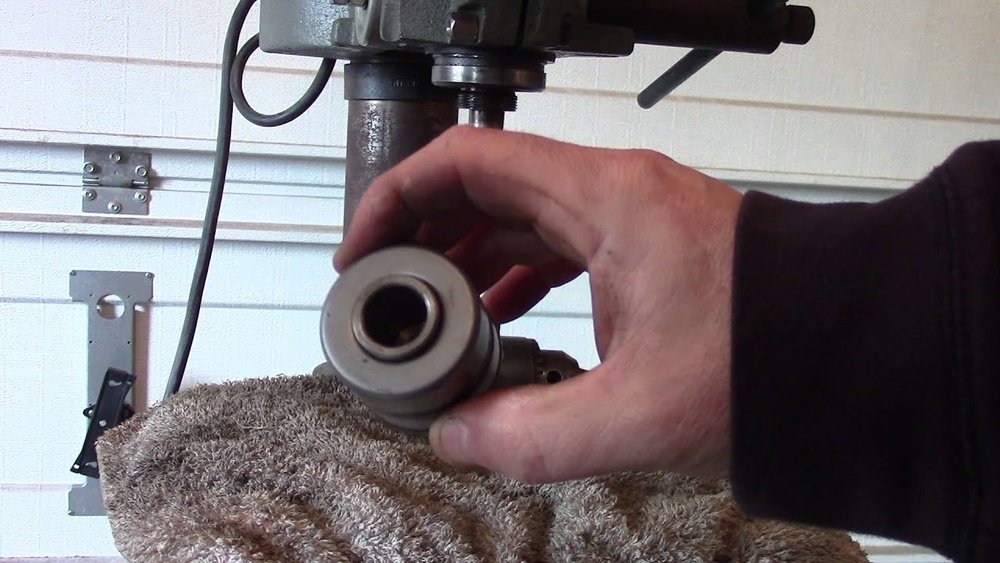
If you’ve ever struggled with a stuck chuck on your Rockwell drill press, you’re not alone. Removing the chuck might seem tricky, but with the right steps, you can do it quickly and safely.
Imagine saving time and avoiding damage to your drill press or tools. In this guide, you’ll discover simple, clear instructions that anyone can follow. By the end, you’ll feel confident handling your drill press like a pro. Ready to make your next project easier?
Let’s get started.

Credit: www.reddit.com
Tools Needed
Removing the chuck from a Rockwell drill press needs a few simple tools. Having the right tools makes the job easier and faster. These tools help you work safely and avoid damage to the drill press.
Wrench Or Chuck Key
A wrench or chuck key is essential to loosen the chuck. It fits into the holes on the chuck. Turn it counterclockwise to open the jaws and release the drill bit.
Allen Wrench
An Allen wrench is needed to remove the screw inside the chuck. This screw holds the chuck tightly on the spindle. Use the correct size to avoid stripping the screw head.
Rubber Mallet
A rubber mallet helps to gently tap the chuck free from the spindle. It avoids damage that a metal hammer might cause. Tap carefully around the chuck to loosen it.
Work Gloves
Wear work gloves to protect your hands during the process. The chuck and spindle can be sharp or greasy. Gloves provide a better grip and safety.
Cleaning Cloth
Use a cleaning cloth to wipe dirt and grease from the chuck and spindle. Clean parts make it easier to remove and reattach the chuck. It also helps you see any damage or wear.

Credit: www.reddit.com
Safety Precautions
Removing the chuck from a Rockwell drill press requires care and attention. Safety is the top priority to avoid accidents or damage. Taking the right safety steps protects you and your tool.
Always prepare your workspace before starting. Clear the area and make sure you have enough light. This helps you see clearly and work safely.
Turn Off And Unplug The Drill Press
Never start work while the drill press is powered. Switch off the machine and unplug it from the outlet. This stops the machine from turning on by mistake. It keeps your hands safe while you work on the chuck.
Wear Safety Gear
Wear safety glasses to protect your eyes from dust and metal bits. Use gloves to protect your hands from sharp edges. Avoid loose clothing or jewelry that might catch in the machine.
Use Proper Tools
Use the right tools to remove the chuck. A chuck key or wrench made for your model works best. Using wrong tools can cause slips and injuries.
Work Slowly And Carefully
Do not rush the removal process. Turn the chuck key or wrench slowly and steadily. This prevents damage and keeps you in control.
Secure The Drill Press
Make sure the drill press is stable and will not move. Use clamps or a sturdy surface to hold it steady. This reduces the risk of accidents during removal.
Locate The Chuck
Locating the chuck on your Rockwell drill press is the first step in removing it safely. The chuck holds the drill bit tightly in place. Knowing exactly where it is helps you avoid damage and makes removal easier.
The chuck is attached to the spindle, right below the drill press handle. It is usually round and has jaws that open and close to grip the drill bit. The size and shape might vary but it is always near the front of the machine.
Check the drill press for any covers or guards. Sometimes, these parts hide the chuck. Remove any obstructing parts carefully to get a clear view of the chuck.
Identify The Spindle Connection
The chuck connects directly to the spindle. The spindle is the rotating shaft that moves the drill bit up and down. Look closely at where the chuck meets this shaft.
Sometimes the chuck screws onto the spindle. Other times it may be held by a set screw. Spotting this connection point is key for removal.
Examine Chuck Type
There are different types of chucks. Some are keyless and twist by hand. Others need a chuck key to loosen.
Knowing your chuck type helps decide how to unlock it. Look for a small hole on the side for a chuck key or smooth surface for hand twisting.
Clear The Work Area
Make sure the area around the chuck is free of tools and debris. A clean space helps you work safely and see all parts clearly.
Turn off and unplug the drill press before touching the chuck. Safety first.
Loosen The Chuck
Loosening the chuck on your Rockwell drill press is the first step to remove it safely. The chuck holds the drill bit tightly in place. You need to loosen it properly to avoid damage. There are two simple ways to do this. Use the chuck key or try a manual method. Both work well depending on your tools and comfort.
Using The Chuck Key
Find the chuck key that fits your drill press chuck. Insert the key into one of the holes on the chuck. Turn the key counterclockwise. This action opens the jaws of the chuck. Keep turning until the jaws release the drill bit. The chuck will be loose enough to remove or change the bit. Always hold the chuck firmly while turning the key. This prevents slipping and injury.
Manual Loosening Technique
Grip the chuck firmly with your hand. Use a cloth for better hold if it feels slippery. Twist the chuck counterclockwise with strong, steady force. This method works if the chuck is not too tight. It may require some effort. Do not use tools that can damage the chuck surface. If the chuck is stuck, try the chuck key method instead.
Remove The Chuck
Removing the chuck from a Rockwell drill press is a simple but important task. It lets you change bits or fix issues easily. This section guides you through removing the chuck safely and quickly.
Unscrew From Spindle
First, unplug the drill press for safety. Hold the chuck firmly and try to turn it counterclockwise. The chuck screws onto the spindle, so unscrewing it will release it. Sometimes, you may need a wrench or pliers for better grip. Turn slowly and steadily to avoid damage.
Use Of Penetrating Oil
If the chuck is stuck, apply penetrating oil around the spindle threads. Let it sit for 10 to 15 minutes. The oil helps loosen rust and dirt that hold the chuck tight. Afterward, try unscrewing the chuck again. This method reduces effort and protects your drill press parts.
Clean And Inspect
Cleaning and inspecting your Rockwell drill press chuck is a key step after removal. Dirt and debris can cause poor grip and damage. Careful inspection helps find worn or broken parts early. This keeps your drill press working well and safely.
Cleaning The Chuck
Start by wiping the chuck with a dry cloth. Use a small brush to remove dirt inside the jaws. For tough grease, apply a mild solvent and scrub gently. Avoid harsh chemicals that can damage metal parts. Dry the chuck completely before reassembly.
Inspecting For Damage
Look closely at the jaws for chips or cracks. Check the teeth for wear or missing parts. Make sure the chuck body has no dents or rust. Spin the chuck by hand to feel smooth movement. Any rough spots may need repair or replacement.
Lubricating Moving Parts
Apply a light oil to the jaws and threads. This helps the chuck open and close easily. Use only a few drops to avoid attracting dirt. Wipe off any extra oil to keep parts clean. Proper lubrication extends the chuck’s life.
Reinstall Or Replace Chuck
After removing the chuck from your Rockwell drill press, you may want to reinstall the old chuck or replace it with a new one. Proper installation ensures safe and accurate drilling. A poorly installed chuck can cause wobbling or damage to your drill press. Choose the right chuck for your tasks and follow the correct steps to install it securely.
Proper Installation Steps
Start by cleaning the spindle and chuck threads. Dirt or debris can cause poor fit and damage. Align the chuck with the spindle carefully. Screw the chuck onto the spindle by hand. Tighten the chuck firmly, but avoid over-tightening. Use a chuck key to secure it. Test the chuck by rotating it slowly. Ensure it spins smoothly without wobbling.
Choosing A Replacement Chuck
Check the size and type of your drill press spindle. Match the replacement chuck to these specifications. Consider the chuck’s jaw type: three-jaw chucks hold round bits well. Four-jaw chucks provide extra grip for irregular shapes. Choose a chuck with good build quality. A sturdy chuck lasts longer and holds bits firmly. Pick a chuck that fits your drilling needs.

Credit: www.youtube.com
Frequently Asked Questions
How Do I Remove The Chuck From A Rockwell Drill Press?
To remove the chuck, first unplug the drill press for safety. Next, open the chuck jaws fully. Use a chuck key to loosen the chuck by turning it counterclockwise. If stuck, tap the chuck lightly with a rubber mallet to loosen it.
What Tools Are Needed To Remove The Chuck Safely?
You need a chuck key matching your chuck size and a rubber mallet. Additionally, gloves can protect your hands. Ensure the drill press is unplugged before starting. These tools help loosen the chuck without damaging the drill press or the chuck itself.
Can The Chuck Be Removed Without A Chuck Key?
It’s not recommended to remove the chuck without a chuck key. The chuck key provides the necessary leverage to loosen tight jaws. Using alternative tools may damage the chuck or drill press. Always use the proper chuck key for safe and effective removal.
Why Is The Chuck Stuck On My Rockwell Drill Press?
The chuck may be stuck due to rust, debris, or overtightening. Lack of lubrication can also cause it to seize. Applying penetrating oil and gently tapping with a rubber mallet can help loosen it. Avoid forcing the chuck to prevent damage.
Conclusion
Removing the chuck from your Rockwell drill press is simple with the right steps. Always ensure the drill press is turned off and unplugged first. Use the correct tools to avoid damage. A little patience helps, especially if the chuck is tight.
Regular maintenance keeps your drill press working well. Now, you can change or clean the chuck easily. Keep practicing, and this task will become quick and easy. Your drill press will stay in good shape for many projects.
