

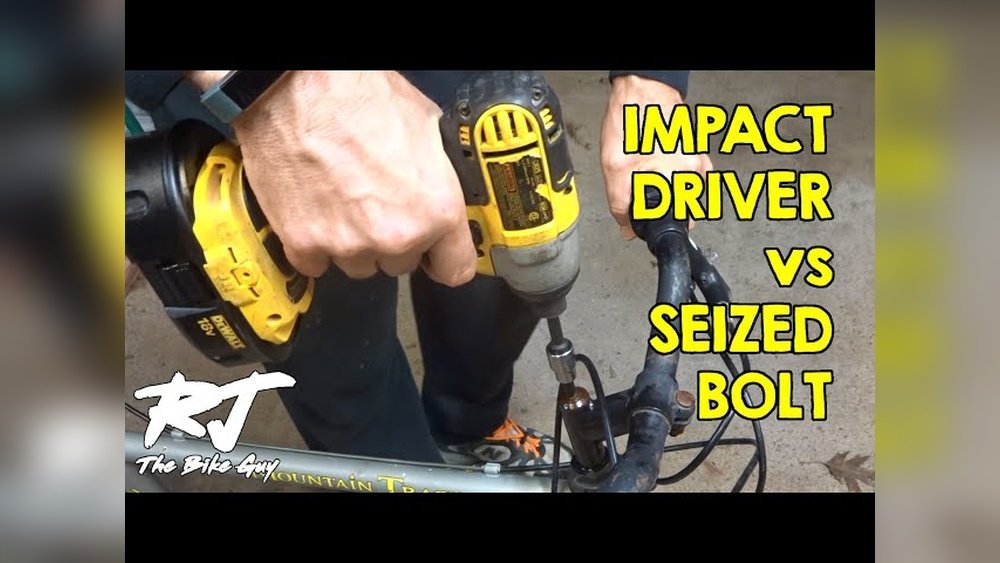
Have you ever faced a stubborn bolt that just won’t budge? You might wonder, “Can I use an impact driver to remove a bolt?” It’s a common question because impact drivers are powerful and handy tools, but using the wrong tool can cause damage or make the job harder.
You’ll discover when an impact driver is the right choice and when you should reach for something else. Keep reading to save time, avoid mistakes, and get your bolts out smoothly every time.
Impact Drivers Vs Impact Wrenches
Impact drivers and impact wrenches are both power tools. They help with tightening and loosening bolts and screws. Many people wonder which tool suits bolt removal best. Understanding their differences can help you pick the right tool.
Key Differences
Impact drivers use a collet to hold screwdriver bits. They deliver high torque with rapid bursts. This makes them perfect for screws and smaller fasteners.
Impact wrenches use a square drive. They provide more torque than impact drivers. These tools are designed for larger bolts and heavy-duty tasks. They often run on compressed air or batteries.
When To Use Each Tool
Use an impact driver for light to medium jobs. It works well for screws and small bolts. It is compact and easy to handle.
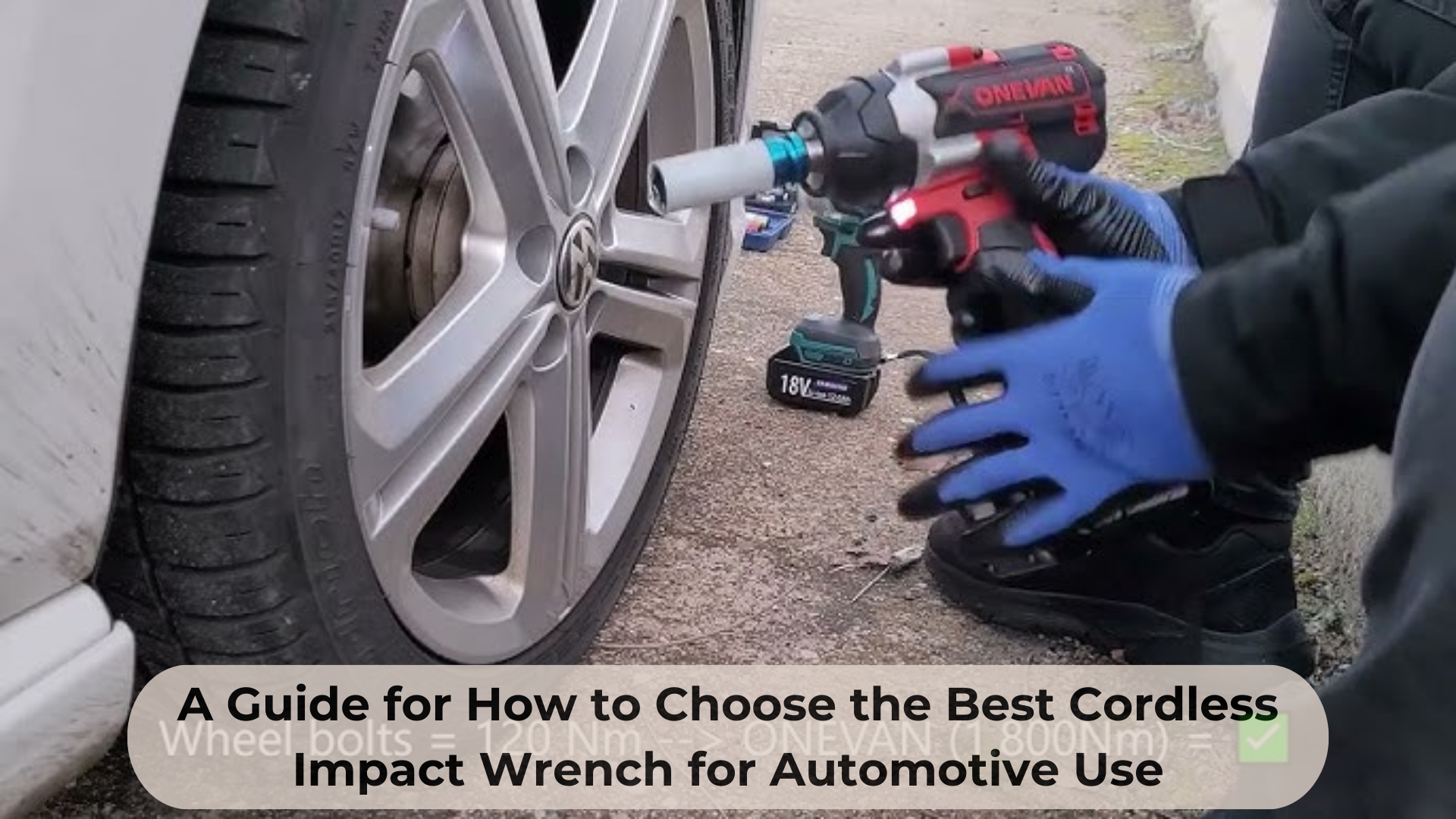
Choose an impact wrench for tough bolts and large nuts. It saves time on stubborn fasteners. It fits well in automotive and construction work.

Credit: www.youtube.com
How Impact Drivers Work
Understanding how impact drivers work helps to know their use on bolts. These tools deliver power differently than regular drills. They combine rotation with quick bursts of force. This unique action makes removing tight bolts easier. Below, the key parts of their operation are explained.
Mechanism Explained
An impact driver has a spring, hammer, and anvil inside. When you press the trigger, the motor spins the hammer. The hammer compresses the spring and then hits the anvil. This hit creates a strong rotational force. The force turns the bit suddenly and powerfully. This impact helps break loose stuck bolts without stripping them.
Torque And Speed
Torque means twisting power. Impact drivers provide high torque in short bursts. These bursts help to turn bolts that are very tight. Speed is lower than regular drills but power is higher. This balance stops bolts from slipping or damaging. The short bursts also reduce hand strain during work.
Removing Bolts With An Impact Driver
Removing bolts with an impact driver is a practical task for many DIYers and professionals. Impact drivers deliver strong, quick bursts of torque that help loosen stubborn bolts. This tool can save time and effort compared to manual wrenches or standard drills.
Using an impact driver correctly ensures the bolt comes out without damage. The right accessories and bolt types matter. Knowing these details can make the job easier and protect your tools.
Suitable Bolt Types
Impact drivers work best on bolts with hex or star-shaped heads. These shapes allow the driver to grip firmly and apply torque efficiently. Bolts that are rusted or stuck can be removed more easily with an impact driver’s force.
Avoid using impact drivers on soft metal bolts or very small screws. The high torque might strip or break these fasteners. Choose bolts that match the strength of the tool to avoid damage.
Required Accessories
Use impact-rated sockets or bits made for impact drivers. These accessories handle the sudden torque without breaking. Regular drill bits or sockets may crack or wear out quickly.
Wear safety glasses to protect your eyes from flying debris. Gloves can improve your grip and protect your hands. A good set of impact sockets and bits will increase the tool’s effectiveness.
Step-by-step Bolt Removal
Removing a bolt with an impact driver is a straightforward process. Follow clear steps to avoid damage and ensure safety. This guide breaks down each stage for easy understanding and effective use.
Preparation Tips
Choose the right impact driver and socket size for the bolt. Check the battery is fully charged. Clean the bolt area to remove dirt and rust. Apply penetrating oil if the bolt is stuck. Gather all tools before starting the job.
Safety Measures
Wear safety glasses to protect your eyes from debris. Use gloves to avoid hand injuries. Keep your workspace well-lit and clear of obstacles. Hold the impact driver firmly to control it. Avoid loose clothing that might get caught in tools.
Operating The Impact Driver
Attach the correct socket securely to the driver. Position the driver squarely on the bolt head. Start the driver at a low speed to avoid slipping. Increase power gradually if the bolt is tight. Pull the trigger in short bursts to loosen the bolt. Remove the bolt carefully once it turns freely.
Common Challenges And Solutions
Removing bolts with an impact driver can be tricky. Various problems may arise that slow down your work or cause damage. Knowing common challenges helps you prepare better. Here are some typical issues and ways to fix them.
Dealing With Rusted Bolts
Rusted bolts stick tight and resist turning. This makes removal tough. Use a rust remover spray first. Let it sit for a few minutes to soften rust. Tap the bolt gently with a hammer to break rust bonds. Use the impact driver with steady pressure. Repeat the process if the bolt still won’t budge.
Avoiding Bolt Damage
Impact drivers apply strong force that can strip bolt heads. Choose the right size socket to fit the bolt perfectly. Hold the driver straight to avoid slipping. Start with low power and increase if needed. If the bolt is soft metal, avoid too much force. Use protective gloves to keep control and prevent slips.

Credit: eoceanic.com
Expert Tips For Best Results
Using an impact driver to remove bolts can save time and effort. But using it the right way is key to avoid damage. Expert tips help you get the best results and keep your tools working well. Follow simple steps to improve your work and protect your equipment.
Proper use also makes the job safer. Focus on the right bits and regular tool care. These small steps make a big difference in performance and durability.
Choosing The Right Bits
Select bits made for impact drivers. They are stronger and built to handle high torque. Using regular screwdriver bits can cause slipping or breakage. Match the bit size exactly to the bolt head. This prevents stripping the bolt or damaging the bit.
Choose bits with a good grip and solid material. Hardened steel bits last longer and resist wear. Keep extra bits handy for different bolt types and sizes. This helps you switch quickly and work efficiently.
Maintenance For Impact Drivers
Clean your impact driver regularly. Dust and debris can lower performance. Wipe the tool with a dry cloth after use. Check the bits and replace worn ones immediately. Lubricate moving parts if the manufacturer suggests it.
Store the tool in a dry place. Avoid moisture that can cause rust. Charge batteries fully before storage. Follow the user manual for specific care instructions. Well-maintained tools last longer and work better every time.
Credit: onevantool.com
Frequently Asked Questions
Can I Use An Impact Driver To Remove Rusted Bolts?
Yes, an impact driver can remove rusted bolts effectively. Its high torque helps break loose stubborn bolts without stripping the head.
Will An Impact Driver Damage The Bolt Or Tool?
Using the correct bit size prevents damage. Impact drivers deliver controlled force, minimizing bolt and tool damage when used properly.
How Does An Impact Driver Differ From A Regular Drill?
Impact drivers provide higher torque and concussive blows. Drills offer continuous rotation, while impact drivers excel at loosening tight bolts.
What Safety Tips Should I Follow Using An Impact Driver?
Wear safety goggles and gloves. Secure the bolt and use the correct bit. Avoid excessive force to prevent injury or damage.
Conclusion
An impact driver can remove bolts effectively in many cases. It delivers strong torque to loosen stuck bolts fast. Use the right bit size to avoid damage. Avoid using too much force on fragile bolts. Always wear safety gear to protect your hands and eyes.
For very tight or rusted bolts, extra tools might help. Understanding your tool’s limits keeps work safe and smooth. Try carefully and see how your impact driver performs. It’s a handy tool for many home and car repairs.
