


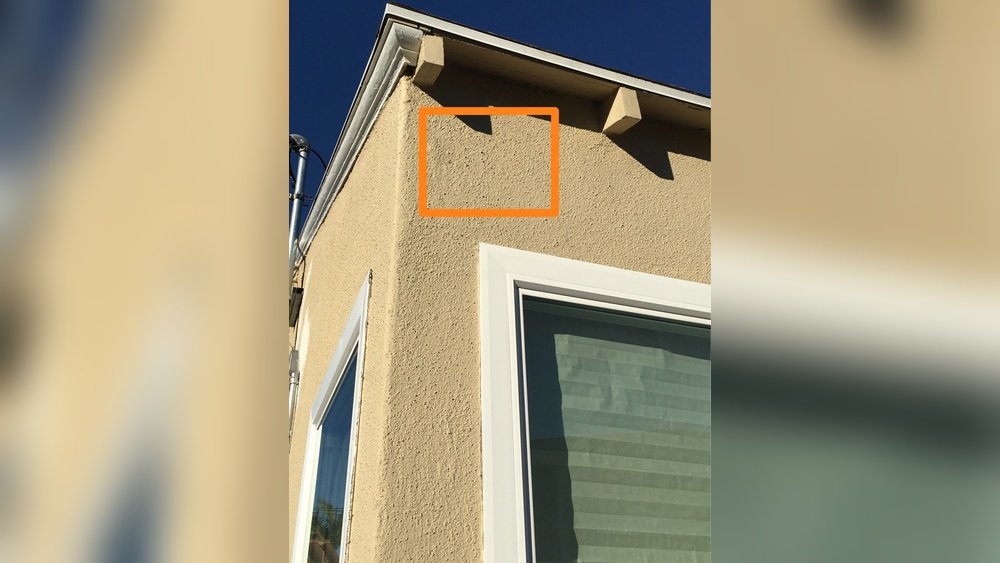
Are you ready to tackle drilling into your outside wall but unsure where to start? Drilling outside walls can seem tricky, but with the right steps, you can do it safely and effectively.
Whether you’re hanging a light fixture, installing a security camera, or adding a shelf, knowing how to drill properly will save you time and frustration. In this guide, you’ll discover simple tips and tricks that make the job easier, protect your home, and ensure your project turns out just right.
Keep reading, and you’ll gain the confidence to drill your outside wall like a pro.

Credit: www.reddit.com
Choosing The Right Tools
Choosing the right tools makes drilling an outside wall easier and safer. The correct drill and bits help you finish the job faster. Using the wrong tools can damage the wall or the drill. You need tools designed for hard surfaces like brick or concrete.
Types Of Drills For Exterior Walls
Hammer drills work best for outside walls. They have a pounding action to break hard materials. Cordless drills offer good mobility but may lack power. Corded drills provide constant power for tough jobs. Rotary hammer drills are stronger and best for thick walls.
Essential Drill Bits For Masonry
Masonry drill bits have a special tip to cut through brick and stone. Carbide-tipped bits last longer and drill faster. Use the right size bit to match your anchor or screw. Spade bits are not good for masonry jobs. Always choose bits made for hard surfaces.
Safety Gear To Use
Safety glasses protect your eyes from dust and debris. Wear gloves to protect your hands from rough surfaces. Use ear protection to reduce noise from the drill. A dust mask helps you avoid breathing in dust. Wear sturdy shoes to protect your feet from falling debris.

Credit: www.reddit.com
Preparing The Wall
Preparing the wall is the first step before drilling outside. It ensures safety and accuracy. Proper preparation helps avoid damage and saves time. Follow these simple steps to get ready.
Locating Studs And Utilities
Find the studs behind the wall using a stud finder. Studs provide strong support for screws and anchors. Avoid drilling into electrical wires or pipes. Use a wire detector or consult building plans. Mark safe spots to drill clearly.
Marking Drill Points Accurately
Measure twice to mark the drill points precisely. Use a pencil or chalk for clear marks. Double-check measurements to keep holes aligned. Accurate marks prevent mistakes and uneven holes.
Cleaning The Surface
Remove dirt, dust, and loose paint from the wall. Clean surfaces help drill bits work better. Use a brush or cloth for cleaning. A clean wall improves hole quality and safety.
Drilling Techniques
Drilling outside walls needs care and the right techniques. Proper drilling makes holes clean and avoids damage. Understanding how to set your drill and apply pressure helps you work better. Different wall materials need different approaches. This section covers key drilling techniques for smooth and safe drilling.
Setting The Drill Speed And Mode
Choose the right speed for your drill. Use low speed for hard materials like brick or concrete. High speed suits soft materials like wood or drywall. Select the drill mode carefully. Use hammer mode for masonry walls. Regular drill mode works for wood or metal. Setting speed and mode right saves time and prevents drill bit damage.
Applying Proper Pressure
Press the drill gently but firmly. Too much pressure can break the bit or wall. Too little pressure slows drilling and wears the bit. Keep the drill steady and straight. Let the drill do the work. If the drill slows, pause and clear the dust from the hole. Controlled pressure makes clean holes and keeps you safe.
Dealing With Different Wall Materials
Know your wall type before drilling. Brick needs hammer drill mode and a masonry bit. Concrete requires strong pressure and slow speed. Wood needs normal drill mode with a wood bit. Metal walls require a metal drill bit and steady speed. Adjust your technique based on the wall to avoid cracks and broken bits.
Handling Common Challenges
Drilling into an outside wall can be tricky. Challenges often arise that can cause damage or create a mess. Handling these challenges carefully helps keep the job clean and safe. Below are some tips to deal with common problems during the drilling process.
Avoiding Wall Damage
Choose the right drill bit for your wall type. Use a masonry bit for brick or concrete. Start drilling slowly to control the bit. Stop if you feel too much resistance. Check for wires or pipes behind the wall before you drill. Use a stud finder or wire detector. Protect edges by placing tape around the drill spot.
Managing Dust And Debris
Drilling creates dust that can spread quickly. Place a cloth or plastic sheet under the drill area. Use a vacuum cleaner near the drill to catch dust. Wear a mask to avoid breathing in dust particles. Clean the area regularly during the job to avoid buildup. This keeps the worksite safe and tidy.
Fixing Mistakes And Holes
Small holes or mistakes can happen. Fill unwanted holes with exterior-grade filler or mortar. Smooth the surface with a putty knife. Let it dry completely before painting or sealing. For bigger holes, use a patch kit designed for outdoor walls. Repair work keeps your wall strong and looking good.
Finishing Touches
Finishing touches are key after drilling an outside wall. They keep your work safe and neat. Proper finishing stops damage and keeps things strong.
Follow these steps for a clean, lasting result.
Inserting Anchors And Screws
Start by choosing anchors that fit the hole size. Push anchors firmly into the drilled holes. Use screws that match the anchors and your project needs. Tighten screws until snug but avoid over-tightening. This prevents wall damage and keeps fixtures secure.
Sealing Around Drill Holes
Seal holes to block water and air leaks. Use exterior-grade caulk or sealant around the holes. Smooth the sealant with a finger or tool for a clean finish. Proper sealing prevents moisture from entering walls. It also protects against mold and rot.
Maintaining The Drilled Area
Check drilled spots regularly for cracks or looseness. Clean dirt and debris from holes and anchors. Reapply sealant if it cracks or peels. Early care avoids bigger repairs later. Keep your wall strong and your fixtures safe.

Credit: www.youtube.com
Frequently Asked Questions
How Do I Choose The Right Drill Bit For Outside Walls?
Select a drill bit based on your wall material, like masonry bits for brick or concrete. Use carbide-tipped bits for durability. Match the drill bit size to your anchor or screw for a secure fit.
What Safety Precautions Should I Take When Drilling Exterior Walls?
Wear safety goggles and gloves to protect from debris. Use a dust mask if drilling into concrete or brick. Ensure power tools are in good condition and avoid drilling near electrical wires or pipes.
Can I Drill Through Insulation In Outside Walls?
Yes, but be careful not to damage the insulation. Use a drill bit long enough to reach the wall surface. Seal around the drilled hole afterward to maintain insulation integrity and prevent air leaks.
How Do I Prevent Cracks When Drilling Into Brick Walls?
Use a hammer drill with low speed and steady pressure. Start with a smaller pilot hole, then gradually increase size. Avoid hammering too hard to prevent brick damage or cracking.
Conclusion
Drilling an outside wall is easier with the right steps. Always check for wires or pipes before you start. Use the correct drill bit for your wall type. Take your time and work carefully to avoid damage. Safety gear protects you from dust and debris.
Practice these tips to drill confidently and safely. Your project will look neat and last longer this way. Keep tools ready and stay patient throughout the task. Simple steps lead to good results every time.
