


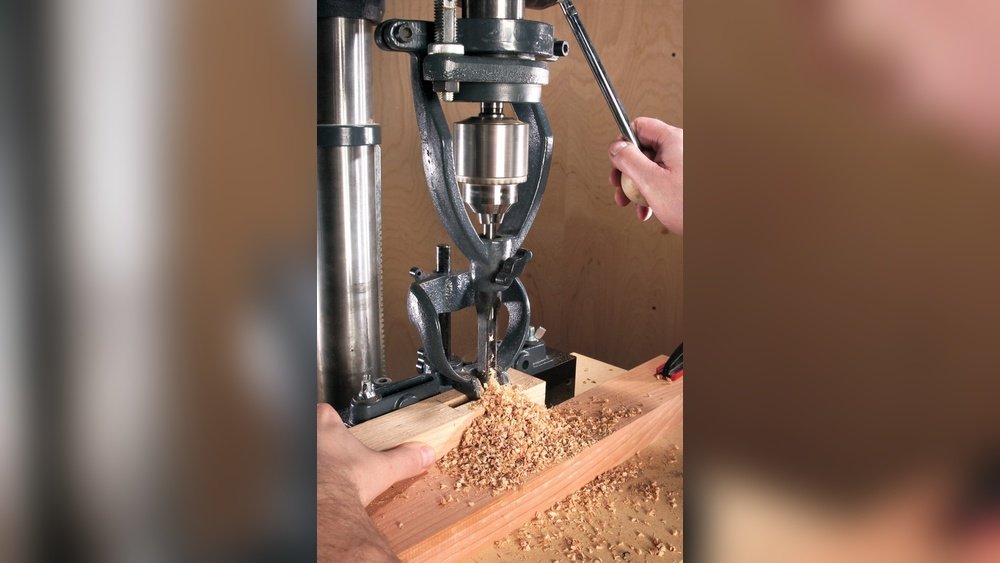
Are you wondering if you can put a mortising chisel in a drill press? It’s a question many woodworkers ask when looking for the best way to make clean, square holes.
Using the right tools can save you time and improve your work, but mixing tools the wrong way might cause damage or unsafe situations. You’ll discover whether your drill press can handle a mortising chisel, what you need to know before trying it, and the safest methods to get the job done right.
Keep reading to make sure your next woodworking project goes smoothly and safely.
Mortising Chisel Basics
Mortising chisels are special tools used in woodworking. They help cut square or rectangular holes called mortises. These holes allow wood pieces to fit together tightly. Understanding the basics of mortising chisels is important for safe and effective use.
The right chisel makes a big difference in the quality of your work. It also affects how easy the job feels. Knowing the types and key features helps choose the best tool for each task.
Types And Uses
Mortising chisels come in several types. Hollow mortising chisels have a sharp outer blade and a hollow center. This design removes wood quickly and creates clean holes. Solid chisels are thicker and stronger. They suit heavy-duty work and tougher woods.
Some chisels fit specific machines, like a dedicated mortiser. Others fit a drill press, but only with the right setup. Each type serves different jobs, from furniture making to simple repairs.
Key Features
Sharpness is a key feature of a good mortising chisel. It cuts clean edges and reduces effort. The chisel’s thickness affects its strength and durability. A thicker blade lasts longer but removes more wood.
Size also matters. Choose a chisel width that matches the mortise size needed. The length should fit your machine and project depth. Quality steel ensures the chisel stays sharp and resists wear over time.
Credit: woodgears.ca
Drill Press Capabilities
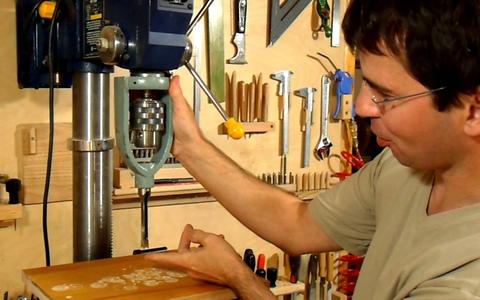
A drill press is a common tool in many workshops. It offers steady and precise drilling on wood, metal, and plastic. The machine holds the drill bit firmly and moves it straight down. This setup helps make clean and accurate holes.
Understanding a drill press’s capabilities helps decide if it can fit other uses. One such use is mortising, a woodworking technique that needs a special chisel. Can a drill press handle this? Let’s explore.
Standard Functions
Drill presses are mainly designed for drilling holes. They use different drill bits for various materials. The machine keeps the drill bit stable and controls its speed. This control helps avoid mistakes and damage.
Most drill presses have adjustable speeds. This lets users match the speed to the material and bit size. They also have a strong motor to handle tough jobs. The table can move up or down to fit different workpiece sizes.
Adaptability For Mortising
Mortising requires a chisel that cuts square holes. This is different from the round holes made by drill bits. Some drill presses can use a mortising attachment. This attachment holds the mortising chisel and a special bit.
The attachment moves the chisel up and down, cutting clean square holes. Not all drill presses support this tool. The machine needs enough power and space to fit the attachment. Check your drill press manual for compatibility.
Fitting A Mortising Chisel To A Drill Press
Fitting a mortising chisel to a drill press is a practical way to create square holes. It lets you use your drill press for mortising tasks without buying a separate machine. This process requires specific tools and careful setup to work safely and effectively.
Understanding the attachments and setup steps is key. Proper installation ensures the chisel fits well and operates smoothly. It also helps avoid damage to your tools and workpieces.
Required Attachments
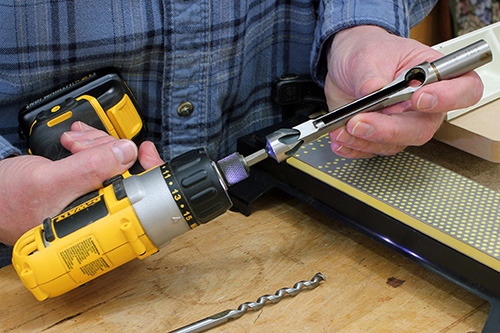
A mortising chisel set is essential. It includes the square chisel and an auger bit that fits inside it. You also need a drill press mortising attachment. This device holds the chisel and guides its movement.
The attachment mounts securely to the drill press table. It controls the chisel’s up-and-down motion. Without this, the chisel can wobble or not cut properly. Make sure the chisel size matches the attachment for best results.
Setup Steps
First, turn off and unplug the drill press. Safety first. Attach the mortising attachment firmly to the drill press table. Align it so the chisel will drill straight down.
Next, insert the auger bit into the drill chuck. Tighten the chuck to hold it firmly. Slide the square chisel over the auger bit. Secure the chisel in the mortising attachment’s holder.
Adjust the depth stop on the drill press. Set it according to how deep you want the mortise. Lower the chisel slowly to test its movement. Make sure it moves freely and without wobbling.
Once aligned, plug in the drill press. Start at a low speed. Test on scrap wood before any real work. Check the cuts and adjust the setup as needed.
Credit: www.woodworkersjournal.com
Safety Precautions
Using a mortising chisel in a drill press can be risky without proper safety steps. This tool combination requires care to prevent accidents and injuries. Follow safety precautions to work safely and confidently with your equipment.
Protective Gear
Always wear safety glasses to protect your eyes from flying wood chips. Use ear protection to reduce noise from the drill press. Gloves can protect your hands but choose ones that fit well to avoid getting caught. Wear a dust mask to avoid breathing in fine wood dust. Dress in close-fitting clothes to prevent loose fabric from getting tangled.
Proper Handling Techniques
Secure the workpiece firmly to the drill press table before starting. Keep your hands away from the spinning chisel to avoid injury. Use slow, steady pressure when cutting with the mortising chisel. Turn off the drill press and wait for it to stop completely before making adjustments. Always inspect the chisel for damage before use. Replace dull or damaged chisels to maintain control and safety.
Common Challenges
Using a mortising chisel in a drill press can be tricky. Many woodworkers face common challenges that affect their work quality and safety. Understanding these issues helps avoid mistakes and improves results.
Alignment Issues
One major challenge is keeping the chisel aligned properly. Misalignment causes uneven cuts and damages the wood. It also wears the chisel faster. The drill press must hold the chisel straight and steady. Small shifts can ruin the entire mortise. Careful setup and checking are necessary before starting.
Chisel Stability
Stability is another big concern. The mortising chisel must stay firm during drilling. If it wobbles, the hole becomes rough and inaccurate. Loose chisels increase the risk of accidents too. Using the right clamps and supports can improve stability. Always check the chisel tightness before use. This keeps the work safe and clean.

Credit: www.popularwoodworking.com
Alternative Mortising Methods
Mortising chisels are designed for specific tasks in woodworking. Using them with a drill press is not always the best choice. There are other methods to create mortises that can be more effective. These alternatives offer better control and cleaner results. They also reduce the risk of damaging tools or workpieces.
Dedicated Mortisers
Dedicated mortisers are machines made for cutting mortises. They hold the chisel firmly and use a drill bit inside it. This setup removes wood quickly and accurately. The chisel squares the corners while the bit drills out the waste. These machines provide clean, precise cuts with less effort. They also offer adjustable settings for depth and size. Using a dedicated mortiser saves time and improves quality.
Hand Tools
Hand tools are a traditional way to cut mortises. You can use a chisel and mallet to carve out the wood by hand. This method takes more time and skill but gives full control. It allows you to work carefully on small or detailed projects. Hand tools are quiet and require no electricity. They are perfect for simple jobs or places without power. Many woodworkers prefer hand tools for their precision and feel.
Maintenance Tips
Proper maintenance keeps your mortising chisel and drill press working well. Regular care improves safety and extends tool life. Follow simple tips to maintain sharpness and function.
Chisel Sharpening
Sharp chisels cut better and require less effort. Use a sharpening stone to keep the edge clean and sharp. Hold the chisel at the correct angle while sharpening. Check the edge often to avoid over-sharpening. Clean the chisel after sharpening to remove metal dust.
Drill Press Care
Keep the drill press clean and free from dust. Wipe down moving parts with a dry cloth after each use. Lubricate the spindle and gears regularly to prevent rust. Check belts and pulleys for wear and replace if needed. Tighten loose screws and bolts to maintain stability.
Frequently Asked Questions
Can You Use A Mortising Chisel With A Drill Press?
Yes, you can use a mortising chisel with a drill press. However, ensure the drill press has a mortising attachment for safety and accuracy. Directly fitting the chisel without the proper setup can cause damage or injury.
What Safety Precautions Are Needed For This Setup?
Always wear safety goggles and gloves. Secure the chisel and wood firmly. Avoid loose clothing and keep hands clear of moving parts. Proper alignment and slow speed settings improve control and safety.
Does A Drill Press Provide Enough Power For Mortising?
A drill press typically has sufficient power for small to medium mortising tasks. For heavy-duty or large mortises, a dedicated mortiser is more efficient and reliable.
How Accurate Is Mortising With A Drill Press?
Mortising with a drill press can be accurate if properly set up. Using a mortising attachment improves precision. Without it, the results may be uneven and less precise.
Conclusion
Using a mortising chisel in a drill press is not always safe or effective. Drill presses are designed for drilling, not chiseling. The shape and motion of the chisel do not match the drill press’s function. This can cause damage to your tool or workpiece.
It is better to use tools made for mortising tasks. Always prioritize safety and proper tool use. Doing this will help you get better results and avoid accidents. Choose the right tool for your woodworking project every time.
