

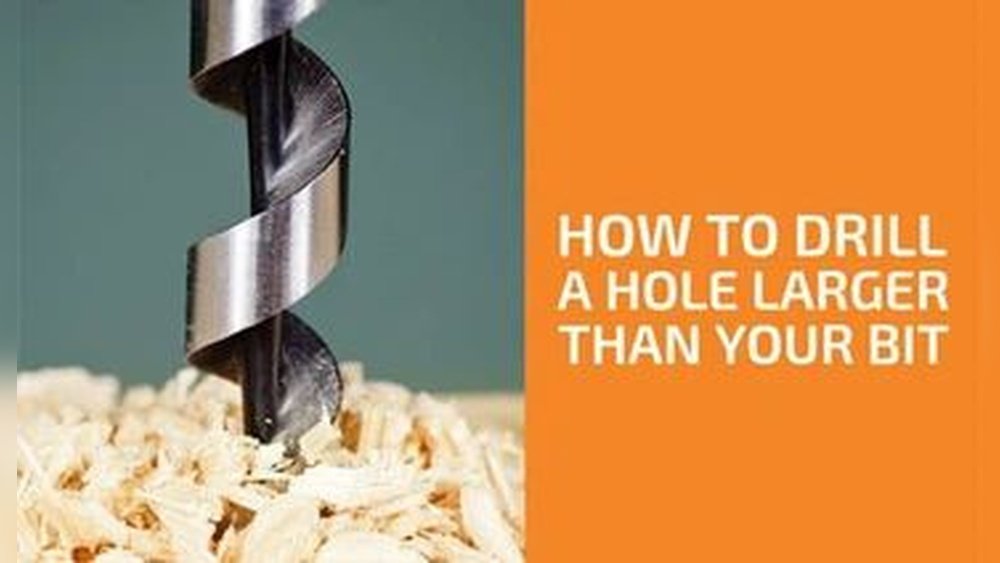
Have you ever needed to drill a hole bigger than your drill bit, only to feel stuck and unsure how to get it done? You’re not alone.
Whether you’re working on a DIY project or a quick home fix, knowing how to make a larger hole without the right bit can save you time, money, and frustration. You’ll discover simple, effective methods to enlarge holes safely and precisely—even if you don’t have specialized tools.
Keep reading to learn the tricks that will make your next project smoother and more successful.
Choosing The Right Tools
Choosing the right tools is key to drilling a hole larger than your drill bit. Using the proper tool makes the job easier and safer. Different tools fit different materials and hole sizes. Understanding tool types helps you pick the best one for your task.
Drill Bit Types
Standard drill bits come in many shapes and sizes. Twist bits are common for wood and metal. Spade bits create larger holes but need careful handling. For bigger holes, standard bits may not work well.
Using Hole Saws
Hole saws cut large, round holes quickly. They attach to your drill like regular bits. Hole saws work great on wood, plastic, and thin metal. They create clean edges and reduce effort. Choose the right diameter for your hole size.
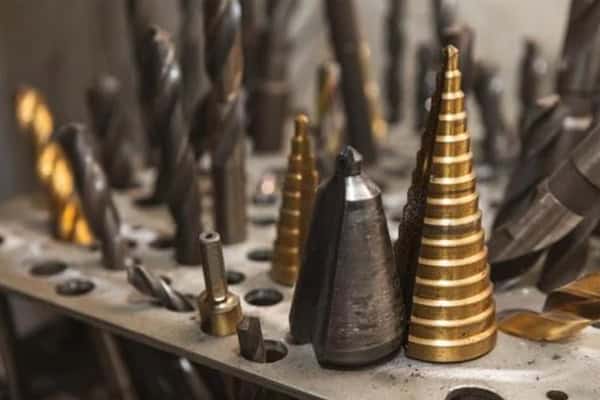
Step Drill Bits
Step drill bits have a cone shape with different diameters. They drill multiple hole sizes with one bit. These bits work well on thin metal and plastic sheets. Step bits make smooth holes without changing bits often. They save time and improve precision.

Credit: abutterflyhouse.com
Techniques To Enlarge Holes
Enlarging a hole bigger than your drill bit is simple with the right techniques. These methods help you create clean, precise holes without special tools. Choose the best option based on your project and materials.
Drilling In Stages
Start by drilling a small hole with your bit. Then, use larger bits step-by-step to widen the hole. This method reduces stress on the material and keeps the hole neat. It also prevents your drill bit from breaking or overheating.
Using A Reamer
A reamer is a tool designed to enlarge holes smoothly. After drilling the initial hole, insert the reamer and twist it by hand or drill. It removes small amounts of material for a clean, round hole. Reamers are perfect for metal, wood, and plastic.
Sanding And Filing
Sandpaper or a file can enlarge holes slowly and carefully. Wrap sandpaper around a dowel or use a round file for better control. This method works well for small adjustments and delicate materials. It helps you fine-tune the hole size without damaging the surface.
Safety Tips While Enlarging Holes
Enlarging a hole beyond your drill bit size needs care to avoid accidents. Safety is key to protect yourself and your work. Follow these important tips for a safer drilling experience.
Protective Gear
Always wear safety glasses to guard your eyes from flying debris. Use ear protection to reduce noise from the drill. Gloves can protect your hands but avoid loose ones that can catch in the drill. Wear a dust mask if drilling into materials that create dust.
Securing The Material
Clamp the material firmly to a workbench or stable surface. This stops the material from spinning or moving during drilling. A secure hold helps you control the drill better. It also prevents injuries caused by slipping or sudden shifts.
Controlling Drill Speed
Use a slower drill speed when enlarging holes. High speeds can cause the drill bit to overheat or break. Slow speed gives you better control and cleaner holes. Pause occasionally to let the bit cool down. This extends the life of your drill bit.
Common Mistakes To Avoid
Drilling a hole bigger than your drill bit can be tricky. Many make simple mistakes that cause damage or poor results. Avoiding these errors saves time and tools. Below are common mistakes to watch out for.
Overheating The Drill Bit
Drill bits get hot during use. Too much heat can dull or break the bit. Stop often to let the bit cool down. Use water or oil to reduce heat on metal. Heat weakens the bit and makes drilling harder.
Applying Excessive Pressure
Pushing too hard does not speed up drilling. It can cause the bit to bend or snap. Let the drill do the work. Use steady, light pressure and keep the drill straight. This helps make a clean, smooth hole.
Ignoring Material Type
Different materials need different drill bits and speeds. Wood, metal, and plastic are not the same. Using the wrong bit can ruin the hole or tool. Check the material before drilling. Choose a bit made for that surface.
Finishing Touches For Clean Holes
After drilling a hole bigger than your drill bit, the work is not done yet. Finishing touches help make the hole look clean and professional. They also improve safety by removing sharp edges and rough spots. Proper finishing ensures your project lasts longer and fits better.
Deburring Edges
Deburring removes small rough bits around the hole. Use a deburring tool or a utility knife. Gently run the tool around the hole’s edge. This step prevents cuts and makes the hole smoother. Take care not to enlarge the hole further.
Smoothing With Sandpaper
Sandpaper smooths the edges after deburring. Choose fine-grit sandpaper for best results. Wrap it around a small block or your finger. Rub the hole edges lightly in a circular motion. This removes any leftover roughness and sharpness.
Checking Hole Size Accuracy
Check the hole size with a measuring tool. Use calipers or a drill bit gauge for precision. Ensure the hole matches your project’s needs. A hole too big or too small can cause problems. Adjust by sanding or careful re-drilling if needed.

Credit: www.youtube.com
Credit: www.tenyutool.com
Frequently Asked Questions
How Can I Drill A Hole Larger Than My Drill Bit?
Use a step drill bit, hole saw, or drill smaller holes and file the edges. These methods safely enlarge holes beyond your drill bit size.
What Tools Help Make Bigger Holes Than Drill Bits?
Step drill bits, hole saws, and rotary tools help create larger holes. They provide control and precision for bigger drilling tasks.
Is It Safe To Enlarge Holes With A Bigger Drill Bit?
Yes, but use the right technique. Start with a smaller hole, then gradually increase bit size to avoid damaging the material.
Can I Use A File To Widen A Drilled Hole?
Yes, files or rotary sanding tools can smooth and slightly enlarge holes. This method works well for minor size adjustments.
Conclusion
Drilling a hole bigger than your drill bit is simple with the right steps. Using tools like a step bit or a hole saw helps achieve larger holes. Taking your time and being careful ensures clean, precise results. Practice on scrap material to build confidence before working on the main project.
With patience and the correct technique, you can handle different hole sizes easily. Keep safety in mind and use proper gear every time. This skill adds flexibility to your DIY and repair tasks.
