

Have you ever wondered if your hammer drill can double as an impact wrench? If you’ve faced stubborn bolts or heavy-duty fastening tasks, you might be curious whether your trusty hammer drill can handle the job.
Using the right tool not only saves time but also protects your equipment and makes your work easier. Keep reading to discover the surprising truth about whether a hammer drill can replace an impact wrench—and what you need to know before you try.
This could change how you tackle your next project.
Hammer Drill Basics
Understanding the basics of a hammer drill helps clarify its uses and limits. Many people wonder if a hammer drill can replace an impact wrench. Knowing how a hammer drill works and what it is designed for can clear up this confusion.
How Hammer Drills Work
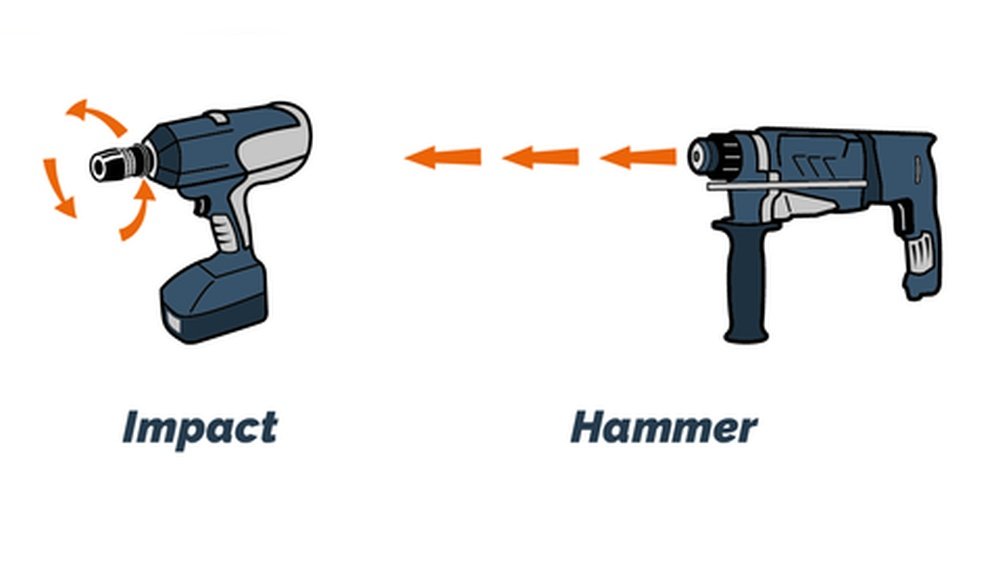
A hammer drill combines rotary drilling with a hammering action. It delivers fast, short bursts of force. This action helps drill into hard materials like concrete and brick. The hammering moves the drill bit forward quickly. The rotary motion then removes the debris. This two-way action makes drilling in tough surfaces easier.
Most hammer drills have two modes: regular drilling and hammer drilling. The user can switch modes depending on the task. The tool uses a clutch or gear system to create the hammering effect. It is not designed to deliver high torque like an impact wrench. The focus is on repetitive hitting, not twisting force.
Common Uses For Hammer Drills
Hammer drills are mainly for drilling holes in hard materials. Concrete, stone, and brick are common targets. They work well for installing anchors, screws, and bolts in masonry. Many DIY projects and construction jobs need this tool.
They also drill into wood and metal when used in normal mode. The hammering action turns off for these materials. A hammer drill is not ideal for loosening or tightening bolts. It lacks the strong rotational force required for such tasks.
Credit: onevantool.com
Impact Wrench Essentials
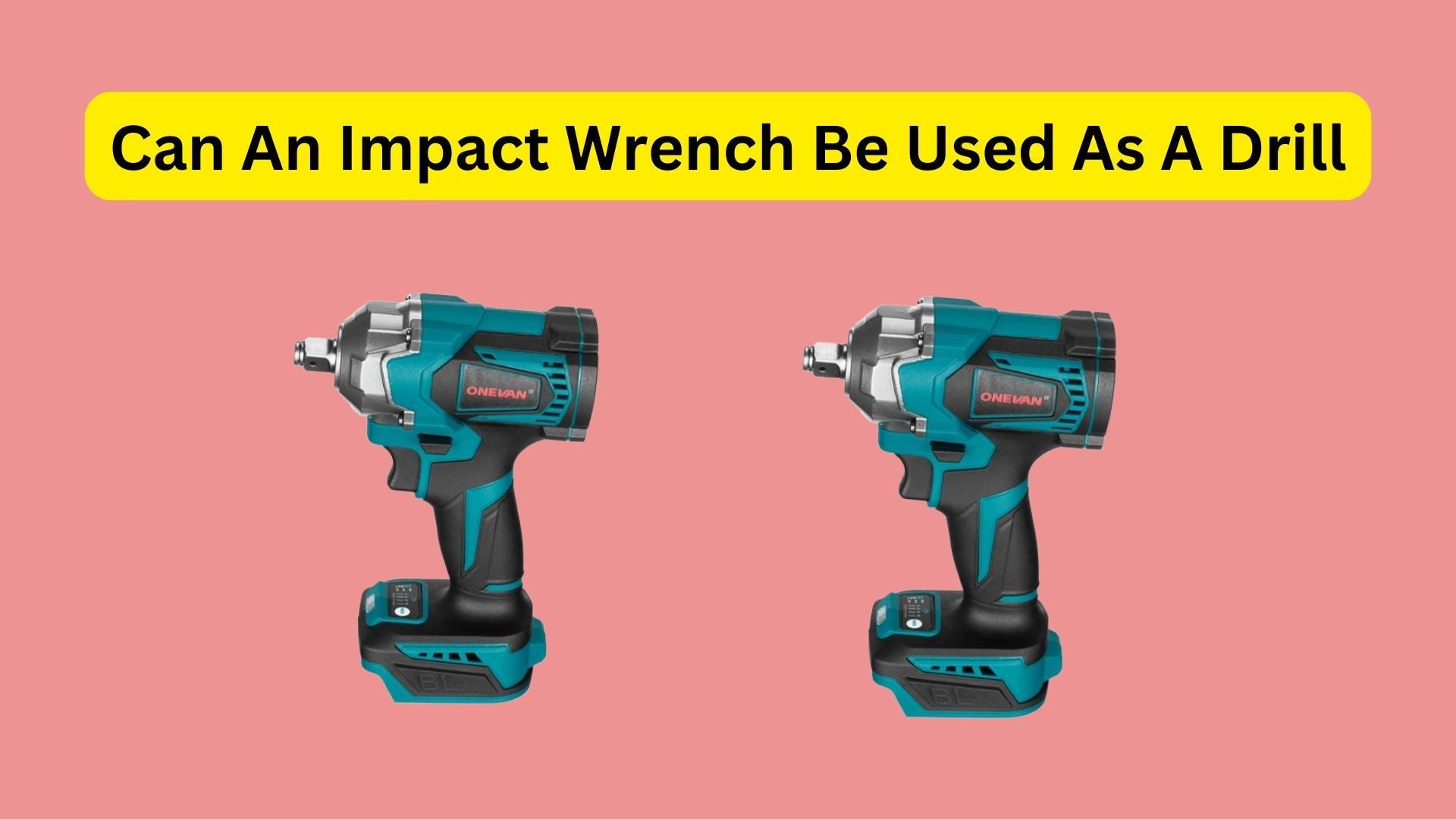
An impact wrench is a powerful tool made for tightening and loosening bolts fast. It uses strong bursts of torque to handle tough jobs. This tool looks like a drill but works very differently.
Understanding what an impact wrench does helps to know if a hammer drill can replace it. Let’s explore how it works and where it is used most.
Function And Design
An impact wrench uses a hammering action inside to produce strong torque. It delivers quick, repeated impacts to turn bolts easily. The design includes a square drive to hold sockets securely.
This tool often runs on electricity or air pressure. It is made to handle heavy-duty fastening tasks that need more power than a drill can give.
Typical Applications
Impact wrenches work well in auto repair shops for changing tires. They also help in construction to fasten large bolts quickly. Many use them to assemble heavy machinery or steel structures.
The tool saves time and effort on tough bolts. It is best for jobs needing strong torque and quick action.
Differences Between Hammer Drills And Impact Wrenches
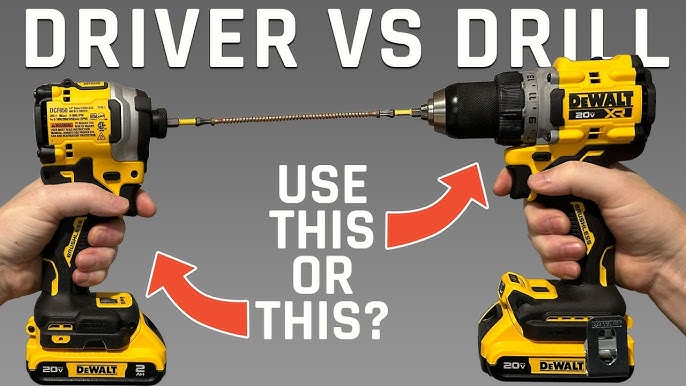
Hammer drills and impact wrenches look similar but serve different purposes. Understanding their differences helps choose the right tool for your task. Both tools use impacts but deliver power and motion in unique ways. This affects how they handle fasteners and materials.
Mechanism Comparison
A hammer drill combines rotary motion with quick hammering. It pounds forward to break hard materials like concrete. The hammering is along the drill’s axis. Impact wrenches use a hammering mechanism that delivers rotational bursts. These bursts turn fasteners with high torque. The impact wrench does not drill or hammer forward. It strikes in a twisting motion to loosen or tighten bolts.
Torque And Power Variations
Hammer drills have moderate torque for drilling holes. Their power focuses on driving drill bits into hard surfaces. Impact wrenches generate very high torque for turning bolts. They deliver sudden, strong impacts to loosen tight fasteners. Torque levels in impact wrenches far exceed those in hammer drills. This makes impact wrenches better for automotive and heavy equipment work.
Tool Attachments And Compatibility
Hammer drills use standard drill bits and masonry bits. Their chuck holds round or hex shank bits. Impact wrenches use specially designed sockets and impact-rated accessories. These attachments fit securely on the square drive. Hammer drill bits do not fit impact wrench drives properly. Using wrong attachments risks tool damage or poor performance.
Using A Hammer Drill As An Impact Wrench
Using a hammer drill as an impact wrench is a question many DIYers ask. Both tools look similar but serve different purposes. Understanding their differences helps avoid mistakes and tool damage.
This section explains if a hammer drill can replace an impact wrench. It covers what changes are needed and safety tips to keep in mind.
Feasibility And Limitations
A hammer drill is designed for drilling holes with a hammering action. An impact wrench delivers strong, sudden torque to tighten or loosen bolts. The hammer drill’s rotation is steady, unlike the quick bursts of an impact wrench.
Using a hammer drill as an impact wrench is not ideal. It may work on small bolts but struggles with larger, tighter fasteners. The tool lacks the power and impact mechanism needed for heavy-duty tasks.
Required Adaptations
To use a hammer drill like an impact wrench, you need special adapters. These adapters connect impact sockets to the drill’s chuck. They allow the drill to fit socket sizes used for bolts and nuts.
Even with adapters, the hammer drill cannot mimic the impact wrench’s torque fully. Adjusting speed and torque settings helps but won’t match the real tool’s strength. Use this method only for light tasks.
Safety Considerations
Using a hammer drill as an impact wrench may cause tool damage or personal injury. The drill can overheat or the adapter can slip off during use. Always wear safety glasses and gloves.
Check the drill’s manual before attempting this use. Follow all safety instructions and avoid forcing the tool on tough bolts. Stop immediately if the drill sounds or feels unusual.
When To Choose Each Tool
Choosing between a hammer drill and an impact wrench depends on the job you need to do. Each tool has its strength and purpose. Using the right tool makes your work easier and faster. Understanding their differences helps you pick the best one for your task.
Task-specific Recommendations
A hammer drill is best for drilling into hard surfaces like concrete and brick. It combines rotation with a hammering action to break through tough materials. Use it when you need holes for anchors or screws in masonry.
An impact wrench provides high torque to tighten or loosen bolts and nuts. It uses strong, sudden rotational force to handle stubborn fasteners. Choose it for automotive work, machinery repair, or heavy equipment maintenance.
Do not use a hammer drill to remove lug nuts or bolts. It lacks the torque and impact needed for such tasks. Using the right tool prevents damage and saves effort.
Cost And Convenience Factors
Hammer drills are often more common and less expensive than impact wrenches. They offer versatility for drilling and light driving tasks. A good option if your projects mostly involve drilling.
Impact wrenches usually cost more but deliver powerful torque. They are ideal if you work regularly with bolts and nuts. This tool saves time and reduces hand strain.
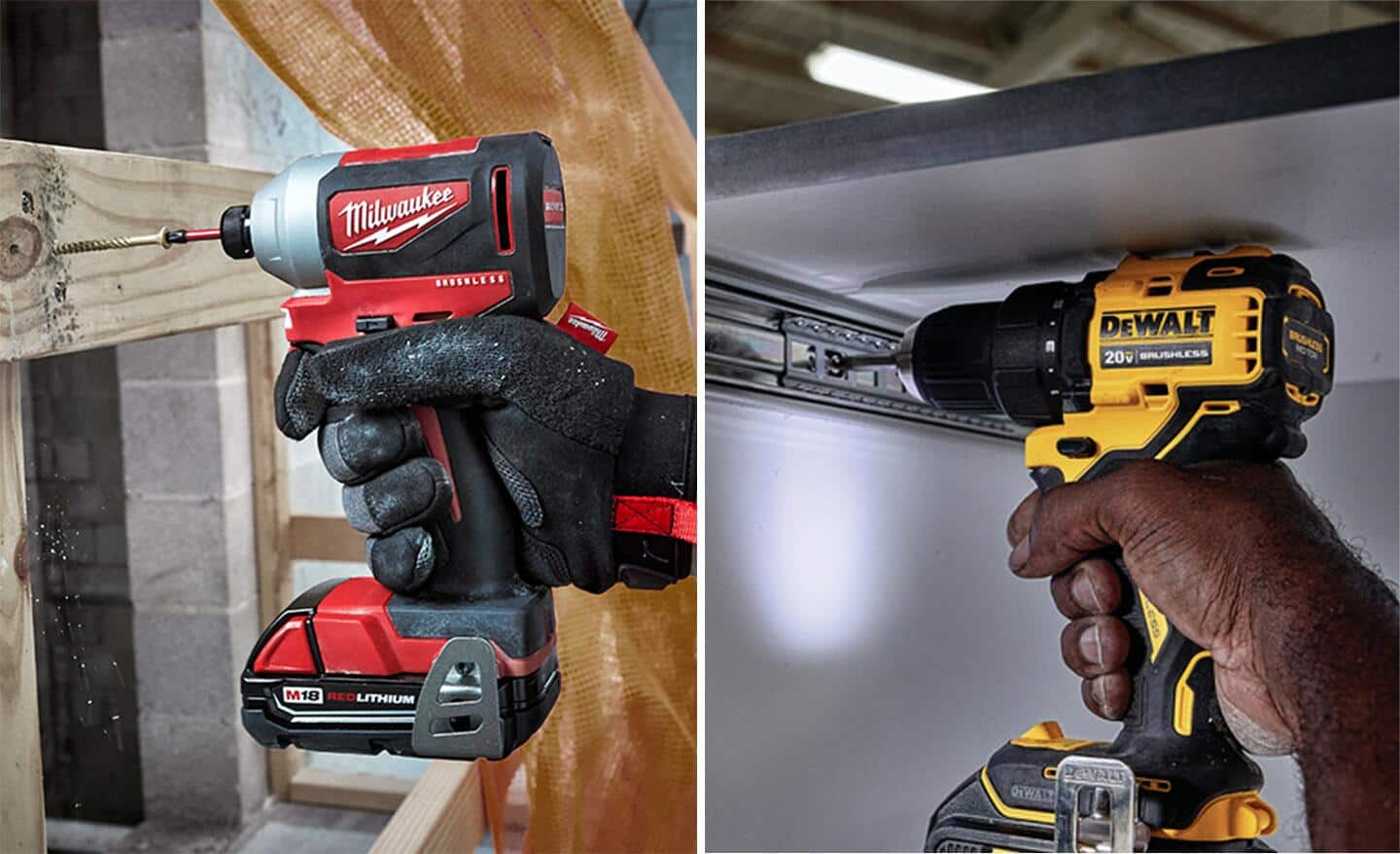
Consider tool availability and frequency of use. For occasional fastener work, a hammer drill with a driver bit may suffice. For heavy-duty or frequent tightening tasks, an impact wrench is worth the investment.
Credit: www.homedepot.com
Alternative Solutions And Accessories
Using a hammer drill as an impact wrench is not always practical. There are some tools and accessories that can help you get closer to the job. These alternatives make your work easier and safer. They also protect your tools from damage.
Converters And Adapters
Converters and adapters allow you to connect different tool heads. For example, you can attach an impact wrench socket to a hammer drill. These accessories change the drill’s chuck size or type. They help transfer torque more effectively. Keep in mind, the hammer drill may not deliver enough power for heavy tasks. Using the right converter reduces wear on your drill and bits.
Hybrid Tools On The Market
Hybrid tools combine features of hammer drills and impact wrenches. These tools offer both drilling and high-torque fastening. They save space and money by replacing two tools in one. Hybrid models often include adjustable speed and torque settings. This allows users to switch between drilling and impact modes easily. They are ideal for light to medium tasks. Hybrid tools provide more versatility than a standard hammer drill.
Credit: www.youtube.com
Frequently Asked Questions
Can A Hammer Drill Replace An Impact Wrench?
No, a hammer drill cannot replace an impact wrench. Hammer drills are designed for drilling into hard materials. Impact wrenches deliver high torque for loosening or tightening bolts. Using a hammer drill as an impact wrench may damage the tool and fasteners.
What Are The Main Differences Between Hammer Drills And Impact Wrenches?
Hammer drills provide a rapid hammering action for drilling. Impact wrenches use rotational force combined with impacts to tighten or loosen bolts. Their internal mechanisms and purposes differ significantly, making them unsuitable substitutes for each other.
Can Using A Hammer Drill As An Impact Wrench Cause Damage?
Yes, using a hammer drill as an impact wrench can cause damage. Hammer drills lack the torque control and impact mechanism needed for bolts. This misuse can damage both the drill and the fasteners, reducing tool lifespan.
Is It Safe To Use A Hammer Drill On Bolts?
It is generally unsafe to use a hammer drill on bolts. Hammer drills may strip bolt heads or damage threads due to improper torque. Impact wrenches are designed specifically for bolt work, ensuring safety and efficiency.
Conclusion
A hammer drill and an impact wrench serve different purposes. A hammer drill is best for drilling into hard surfaces. An impact wrench is made to tighten or loosen bolts quickly. Using a hammer drill as an impact wrench can damage the tool.
It also may not work well for heavy jobs. For safety and best results, use the right tool for the task. This keeps your work easier and your tools lasting longer. Choose tools carefully to get the job done right.
