

If you’ve ever tried to drill holes in rocks, you know it’s not as simple as it sounds. Using a drill press can make the job easier and more precise, but only if you know the right steps.
In this guide, you’ll discover how to safely and effectively drill through tough rock surfaces without damaging your tools or the material. Whether you’re working on a DIY project or need holes for landscaping stones, this article will give you clear, easy-to-follow tips that get the job done right.
Keep reading to learn how to turn your drill press into a rock-drilling powerhouse.

Credit: www.youtube.com
Choosing The Right Drill Press
Choosing the right drill press is key to drilling holes in rocks safely and effectively. Not all drill presses work well with hard materials like rock. Picking the correct type, power, and features makes the job easier and ensures better results.
Types Of Drill Presses For Rock Drilling
There are several types of drill presses. Benchtop models are small and easy to move. They work for light rock drilling but may lack power for bigger jobs.
Floor models are larger and stronger. They provide more stability and power for drilling hard rocks. These machines are better for heavy or frequent use.
Radial arm drill presses offer flexibility. The arm moves side to side, allowing for drilling large or odd-shaped rocks. This type is useful in workshops with many projects.
Power And Speed Considerations
Power is important for drilling hard materials like rock. Look for drill presses with strong motors, usually 3/4 HP or higher.
Speed control helps adjust drilling speed. Slower speeds prevent overheating and damage to drill bits. Variable speed settings give more control over the process.
Too fast drilling can cause cracks or break the rock. Choose a drill press that allows slow and steady drilling.
Essential Features To Look For
A sturdy base keeps the drill press stable during work. Stability reduces vibrations and improves accuracy.
Adjustable depth stops control how deep the drill bit goes. This feature helps avoid drilling too deep or damaging the rock.
Look for a chuck that fits various drill bit sizes. A keyless chuck makes changing bits faster and easier.
Safety features like guards and emergency stops protect the user. These are important for working safely with tough materials.

Credit: www.youtube.com
Selecting Drill Bits For Rock
Selecting the right drill bits is key to drilling holes in rocks successfully. Rocks are hard and tough. Ordinary drill bits can break or wear out quickly. Choosing bits made for rock drilling helps you work faster and safer. It also protects your drill press and bits from damage.
Consider the material and design of the drill bit. Some bits cut better and last longer. Size and shape matter too. The right bit size creates clean holes without cracking the rock. Proper care keeps bits sharp and effective for many uses.
Diamond-tipped Vs. Carbide Bits
Diamond-tipped bits have tiny diamonds on the tip. They are very hard and cut through tough rock easily. These bits last longer and stay sharp. They work well for hard stones like granite and quartz.
Carbide bits are made from tungsten carbide. They are strong and less expensive than diamond bits. Carbide bits handle softer rocks well. They wear down faster on very hard materials.
Bit Sizes And Shapes
Choose bit size based on the hole diameter you need. Small bits make precise holes. Large bits create bigger openings.
Drill bits come in many shapes. Twist bits are common for general drilling. Masonry bits have a special tip for rock. Core bits remove a cylinder of rock for bigger holes.
Maintaining Drill Bits
Keep bits clean and sharp. Wipe off dust and debris after use. Sharpen bits when they become dull. Dull bits cause extra heat and damage the rock.
Use water or oil to cool bits during drilling. This prevents overheating and extends bit life. Store bits in a dry place to stop rust and corrosion.
Preparing The Rock And Workspace
Preparing the rock and workspace is the first step to drilling clean holes. This part is very important for safety and accuracy. You need to set up your tools and materials carefully. A good setup helps you work faster and avoid mistakes.
Securing The Rock Safely
Hold the rock firmly to stop it from moving. Use clamps or a vise designed for irregular shapes. Make sure the rock sits flat and stable. Loose rocks can slip and cause injury or damage. Check the grip before starting the drill.
Marking Drill Points Accurately
Use a pencil or marker to draw where you want the hole. Measure twice to avoid errors. Marking clearly guides the drill bit. For small rocks, use a center punch to make a small dent. This helps the bit stay in place and not wander.
Setting Up A Stable Work Area
Clear your workspace of clutter and dust. A clean area reduces accidents and distractions. Place your drill press on a strong, level surface. Good lighting helps you see the marks and drill bit clearly. Keep water or oil nearby to cool the drill bit if needed.
Drilling Techniques For Rock
Drilling holes in rock requires special techniques for the best results. Rocks are hard and can crack or break if drilled incorrectly. Using the right methods helps keep the drill bit sharp and the hole clean. Careful handling improves safety and saves time.
Below are key drilling techniques to follow when using a drill press on rock.
Correct Speed And Pressure
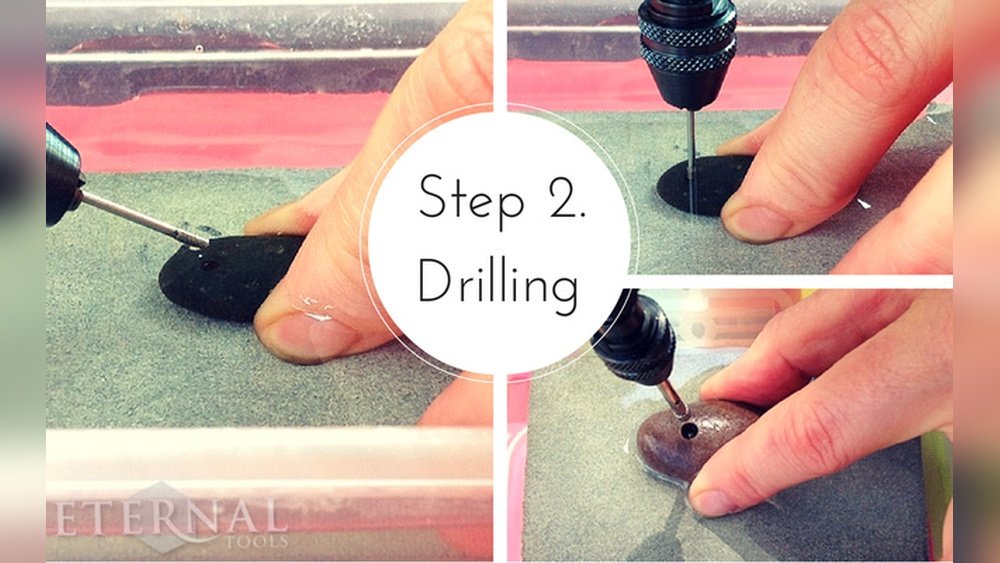
Use a slow drill speed to avoid overheating the bit. High speeds can damage both the drill and the rock. Apply steady, gentle pressure. Pressing too hard causes cracks or breaks. Let the drill bit do the work. Stop if the bit gets too hot or if the rock starts to chip.
Using Water For Cooling
Water cools the drill bit and rock during drilling. It prevents heat build-up and reduces dust. Use a small stream of water or wet sponge near the drill point. Keep the area wet but not flooded. This method extends the life of the drill bit and keeps the hole smooth.
Avoiding Common Mistakes
Do not rush the drilling process. Avoid pushing the drill too fast or too hard. Check the drill bit often for wear and damage. Always secure the rock firmly before starting. Loose rocks can move and cause injury. Follow these tips to drill clean holes safely and efficiently.
Post-drilling Care
Taking care of your drill press and rock after drilling is very important. Proper post-drilling care helps keep your tools working well for a long time. It also makes sure your drilled hole stays clean and safe to use. Follow these steps to maintain your equipment and work.
Cleaning The Hole And Bit
Clear dust and small rock pieces from the hole. Use a brush or compressed air to clean deeply. Wipe the drill bit with a cloth to remove dirt. This stops buildup that can harm the bit or hole.
Inspecting For Cracks And Damage
Look closely at the drilled hole for cracks. Check the rock surface around the hole for damage. Inspect the drill bit for wear or breaks. Fix problems early to avoid bigger damage later.
Storing Equipment Properly
Store the drill press in a dry, safe place. Keep drill bits in their case or a holder. Avoid moisture and dust to prevent rust and damage. Organize tools to find them quickly next time.
Safety Tips And Precautions
Drilling holes in rocks with a drill press needs careful attention to safety. Rocks can be hard and sharp, and the drill press moves fast. Following safety tips protects your hands, eyes, and lungs. It also helps you avoid accidents and work better.
Protective Gear Essentials
Wear safety glasses to shield your eyes from flying chips. Use gloves to protect your hands from sharp edges. Hearing protection is important because drill presses can be loud. Wear a dust mask to avoid breathing in rock dust. Choose close-fitting clothes to prevent fabric from catching in the drill.
Handling Dust And Debris
Rock dust can harm your lungs. Always work in a well-ventilated area. Use a vacuum or dust collector near the drill press. Clean the workspace often to avoid dust buildup. Keep your face away from dust clouds. Wetting the rock lightly can reduce dust while drilling.
Emergency Measures
Know where the emergency stop button is on the drill press. Keep a first aid kit nearby for cuts or scrapes. Have a fire extinguisher ready in case of sparks. Stop drilling immediately if the drill bit jams. Call for help if an injury happens or if you feel unwell.
:max_bytes(150000):strip_icc()/475indesign-0a4d0142788c4465b200f7878059481a.jpg)
Credit: www.woodmagazine.com
Frequently Asked Questions
What Drill Bit Is Best For Drilling Holes In Rocks?
Carbide-tipped or diamond-tipped drill bits work best for rocks. They provide durability and precision while minimizing bit wear during drilling.
How Do I Prevent Rock Cracking When Drilling Holes?
Use slow drill speeds and steady pressure. Also, apply water to cool the bit and reduce heat buildup, preventing cracks.
Can I Use A Regular Drill Instead Of A Drill Press?
A drill press offers better control and accuracy for rock drilling. Regular drills may cause slipping or uneven holes, reducing precision.
How Deep Can I Drill Holes In Rocks Safely?
Depth depends on rock hardness and drill bit length. Typically, drill holes up to 2-3 inches deep with proper technique and equipment.
Conclusion
Drilling holes in rocks with a drill press takes patience and care. Choose the right drill bit and use steady pressure. Keep the drill speed low to avoid cracks. Always wear safety gear to protect yourself. Clean the drill bit often to work better.
Practice on small rocks before moving to bigger ones. With time, your skills will improve. Stay safe and enjoy your drilling projects.
