

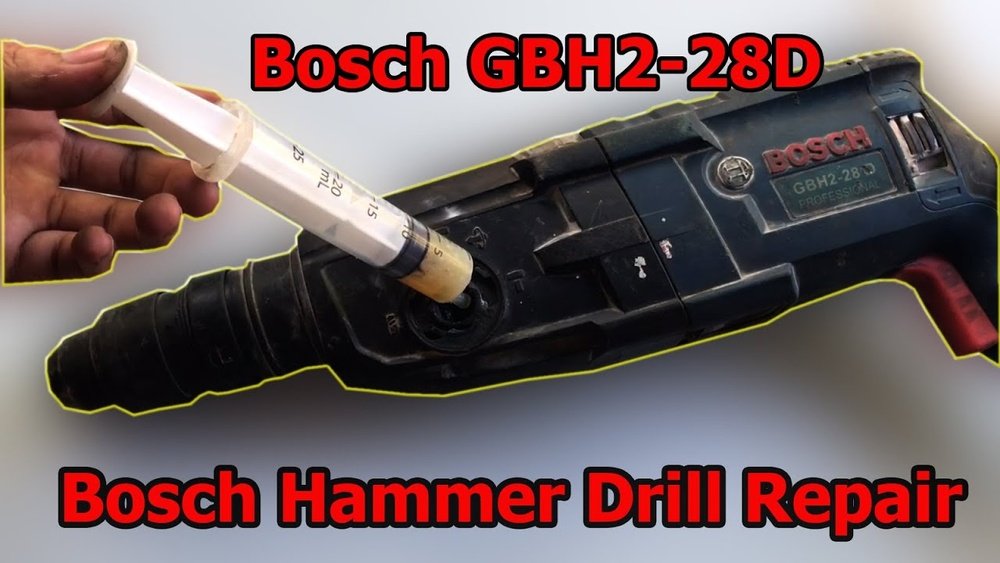
If you want your hammer drill to work smoothly and last longer, greasing it the right way is key. You might think it’s tricky or time-consuming, but once you know how to grease your hammer drill properly, you’ll save money on repairs and avoid frustrating breakdowns.
In this guide, you’ll learn simple, step-by-step tips to keep your tool in top shape. Keep reading, and you’ll master a quick maintenance trick that makes a big difference every time you use your hammer drill.
Why Greasing Matters
Greasing a hammer drill is a key part of its care. It helps the tool work better and last longer. Without grease, parts can rub and wear out fast. This leads to damage and poor performance.
Regular greasing keeps the drill running smooth. It stops heat build-up and reduces noise. You save money by avoiding early repairs and replacements. Understanding why greasing matters helps you keep your hammer drill in top shape.
Benefits Of Proper Lubrication
Proper lubrication lowers friction between moving parts. This reduces wear and tear inside the drill. Grease also protects parts from rust and dirt. It helps the drill run cooler and quieter. Overall, it improves the tool’s efficiency and lifespan.
Signs Your Drill Needs Greasing
Listen for unusual sounds like grinding or squeaking. These noises often show the drill needs grease. The tool may also feel hotter than normal after use. Slow or jerky movement can mean parts are dry. Check for visible dirt or old, hardened grease inside. These signs mean it is time to grease your hammer drill.

Credit: www.reddit.com
Tools And Materials Needed
Greasing a hammer drill is key to keeping it working well. Using the right tools and materials makes the job easier. This section lists what you need before starting the greasing process. Preparing all items beforehand helps avoid delays and mistakes.
Types Of Grease For Hammer Drills
Choose grease made for power tools. Look for high-quality lithium grease or silicone-based grease. These types handle heat and pressure inside the drill. Avoid using general-purpose grease. It may not protect parts properly. Using the right grease keeps the drill parts moving smoothly.
Additional Tools Required
Gather basic tools before greasing your hammer drill. You will need a clean cloth to wipe old grease. A small brush helps spread new grease evenly. A screwdriver or wrench is useful to open the drill casing. Having gloves protects your hands during the process. These tools make greasing simple and clean.
Preparing Your Hammer Drill
Preparing your hammer drill is a key step before greasing. Proper preparation ensures the drill works well and lasts longer. It also helps avoid damage or injury during maintenance. Follow simple steps to get your tool ready for greasing.
Safety Precautions
Unplug the drill or remove the battery. This prevents accidental starts. Wear safety glasses to protect your eyes. Use gloves to keep your hands clean and safe. Work in a clean, well-lit area to see all parts clearly. Keep children and pets away from the workspace.
Disassembling The Drill
Check the drill’s manual for disassembly instructions. Remove the chuck by loosening the screws or using a chuck key. Take off the housing carefully to expose the internal parts. Keep all screws and small parts in a safe place. Avoid forcing parts apart to prevent damage. Clean dust and debris from inside the drill before greasing.
Credit: www.bosch-professional.com
Applying Grease Correctly
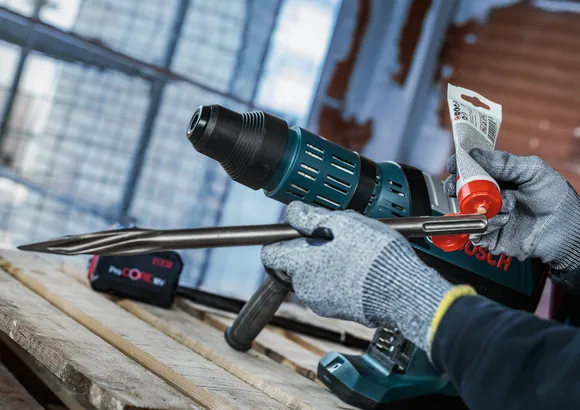
Applying grease correctly is key to keeping a hammer drill working well. Proper greasing reduces wear and tear on moving parts. It also helps prevent rust and overheating. Knowing where and how to apply grease saves time and extends tool life.
Greasing The Chuck And Gears
Start by cleaning the chuck and gear areas. Remove old grease and dirt with a cloth. Use a small brush to reach tight spots. Apply a thin layer of grease on the chuck jaws. Spread grease evenly on the gear teeth. This ensures smooth movement and less noise. Avoid leaving grease on the outside parts. Wipe off any extra grease to stop dirt buildup.
Avoiding Over-greasing
Too much grease can cause problems. Excess grease attracts dust and debris. This clogs the drill and reduces performance. Use only a small amount of grease each time. A pea-sized drop is often enough. Check the manual for the right grease type and amount. Clean old grease before adding new layers. Proper balance keeps the drill clean and efficient.
Reassembling And Testing
After greasing your hammer drill, reassembling and testing are essential steps. This ensures the tool works well and lasts longer. Careful reassembly keeps all parts in place and protects the grease. Testing helps find any problems early. Follow these steps to finish the job right.
Putting The Drill Back Together
Start by aligning all parts exactly as you took them apart. Use a clean cloth to remove excess grease from surfaces. Place the gearbox and motor carefully back into the casing. Tighten screws gently but firmly to avoid damage. Make sure no wires or parts are pinched. Check the drill’s handle and casing fit well together. Take your time to avoid mistakes.
Checking For Smooth Operation
Plug in or insert the battery to power the drill. Turn it on at low speed first. Listen for unusual sounds like grinding or rattling. Move the drill forward and backward to test the hammer action. The drill should run smoothly without resistance. If it feels rough or noisy, stop and recheck the assembly. Proper testing ensures safe and efficient use.
Maintenance Tips For Longevity
Keeping your hammer drill in top shape extends its life and improves performance. Regular care prevents damage and costly repairs. Greasing is a key part of this maintenance. Proper greasing reduces friction and keeps parts moving smoothly. Follow these tips to maintain your tool well.
How Often To Grease
Grease your hammer drill every 3 to 6 months. If you use it heavily, grease more often. Check the user manual for exact intervals. Signs that your drill needs grease include unusual noise or heat. Do not wait for problems; regular greasing saves you trouble.
Storage And Handling Advice
Store your hammer drill in a dry, clean place. Avoid damp or dusty areas that cause rust and dirt buildup. Use a protective case if possible. Handle the drill gently to avoid dropping or damage. Clean the drill after use to remove debris. Proper storage keeps grease effective and parts safe.
Troubleshooting Common Issues
Troubleshooting common issues with your hammer drill can save time and prevent damage. Many problems arise from improper greasing or lack of maintenance. Knowing how to spot and fix these issues helps keep your tool working smoothly.
Grease-related Problems
Too much grease can cause the drill to overheat. Excess grease may attract dust and dirt, leading to wear. Too little grease causes metal parts to rub and wear out fast. Grease that looks dirty or gritty needs replacing. Listen for strange noises, like grinding or squeaking. These sounds often mean the drill needs fresh grease. Check for slow or jerky drill action. This often signals poor lubrication inside the tool.
When To Seek Professional Help
Some problems need expert care. If the drill still makes noise after greasing, ask a pro. Broken parts or leaks require a technician’s tools and skills. Electrical issues should be handled by a professional. Avoid using the drill if it feels too hot or smells burnt. A professional can check deeper problems and fix them safely. Regular check-ups extend your drill’s life and save money.

Credit: www.youtube.com
Frequently Asked Questions
How Often Should I Grease A Hammer Drill?
Grease your hammer drill every 3 to 6 months with regular use. This keeps the internal parts lubricated and prevents wear and tear, ensuring smooth operation and extending the tool’s lifespan.
What Type Of Grease Is Best For Hammer Drills?
Use high-quality lithium-based grease for hammer drills. It withstands high temperatures and pressures, providing effective lubrication and protection for the drill’s moving parts during heavy-duty use.
Can I Use Regular Grease For My Hammer Drill?
No, avoid regular grease as it may not handle high pressure. Specialized lithium or synthetic grease is designed for hammer drills and ensures better performance and durability.
How Do I Apply Grease To A Hammer Drill?
Disassemble the hammer drill carefully, clean old grease, then apply a thin, even layer of fresh grease to the gears and moving parts. Reassemble the tool properly to avoid damage.
Conclusion
Properly greasing your hammer drill keeps it running smooth. It helps prevent wear and tear on moving parts. Regular maintenance saves you money on repairs later. Use the right grease and apply it carefully. Clean old grease before adding new.
Small steps make a big difference for your tool’s life. Take time to care for your drill. You will notice better performance and longer use. Simple habits protect your investment and keep work easy. Greasing is a smart part of tool care.
