

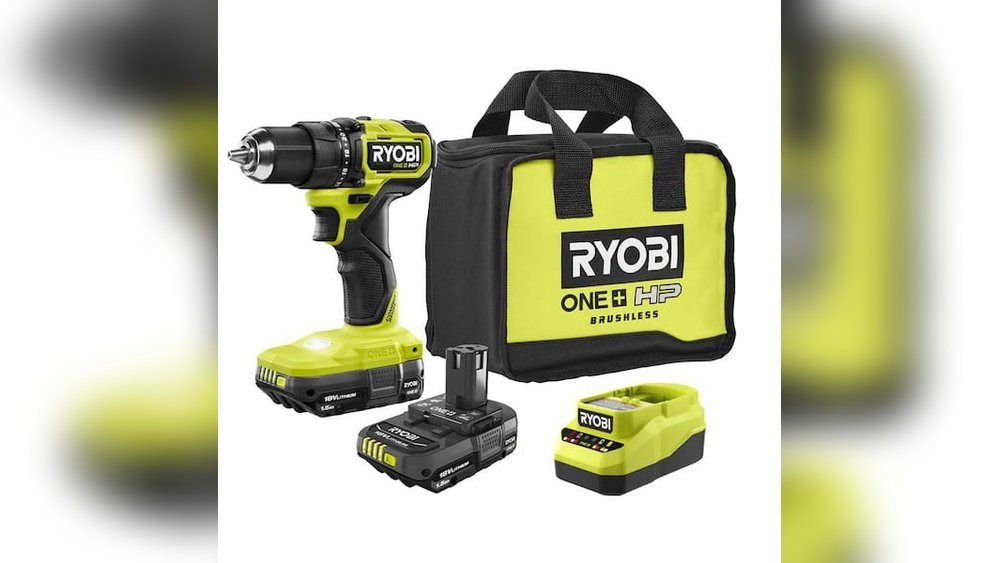
Have you ever wondered how powerful your cordless drill really is? When you pick up a drill, the number of volts is clear, but what about horsepower (HP)?
Understanding how many HP a cordless drill has can help you choose the right tool for your projects. Whether you’re fixing things around the house or tackling a big job, knowing this simple fact can save you time and frustration.
Keep reading, and you’ll learn exactly what to look for to make your cordless drill work harder and smarter for you.
Credit: www.pawnamerica.com
Cordless Drill Power Basics
Cordless drills are handy tools for many tasks. Understanding their power helps you pick the right one. Power affects how well the drill works on different jobs. Let’s explore the basics of cordless drill power.
Horsepower Vs Voltage
Horsepower (HP) measures engine power in cars and machines. Cordless drills do not usually list horsepower. Instead, voltage shows their power level. Higher voltage means more power and longer runtime. Most cordless drills range from 12V to 20V or more. Voltage helps you compare power between models.
Measuring Drill Power
Drill power depends on motor strength and battery capacity. Amps (A) measure current flow in batteries. Watt-hours (Wh) show battery energy storage. Higher watt-hours mean longer use before recharge. Torque measures twisting force; more torque means better drilling. Power is a mix of voltage, amps, and torque.
Common Power Ratings
Typical cordless drills come in 12V, 18V, and 20V types. 12V drills suit light tasks like hanging pictures. 18V and 20V drills handle tougher jobs like drilling wood or metal. Some drills show torque in inch-pounds (in-lbs). Higher numbers mean stronger drilling force. Match power rating to your project needs.
Typical Horsepower In Cordless Drills
Typical horsepower in cordless drills varies based on power and design. Horsepower (hp) indicates the motor’s strength. It helps users understand the drill’s ability to handle tasks. Cordless drills usually have lower horsepower than corded models due to battery limits. Still, their power suits most household and professional jobs.
Entry-level Drills
Entry-level cordless drills often have motors under 0.5 hp. They handle light tasks like drilling into wood or plastic. These drills suit beginners or occasional users. They are lightweight and easy to control. Battery life tends to be shorter but enough for small projects.
Mid-range Models
Mid-range cordless drills usually offer 0.5 to 1 hp motors. They provide more power for tougher jobs. Users can drill into metal, hardwood, and masonry. These models balance performance and price well. They come with better batteries and longer run times.
Professional Grade Drills
Professional cordless drills often exceed 1 hp in motor power. They deliver high torque for heavy-duty work. These drills perform well on construction sites and industrial tasks. They feature durable builds and advanced battery technology. Professionals rely on them for consistent, strong performance.
Battery Influence On Power
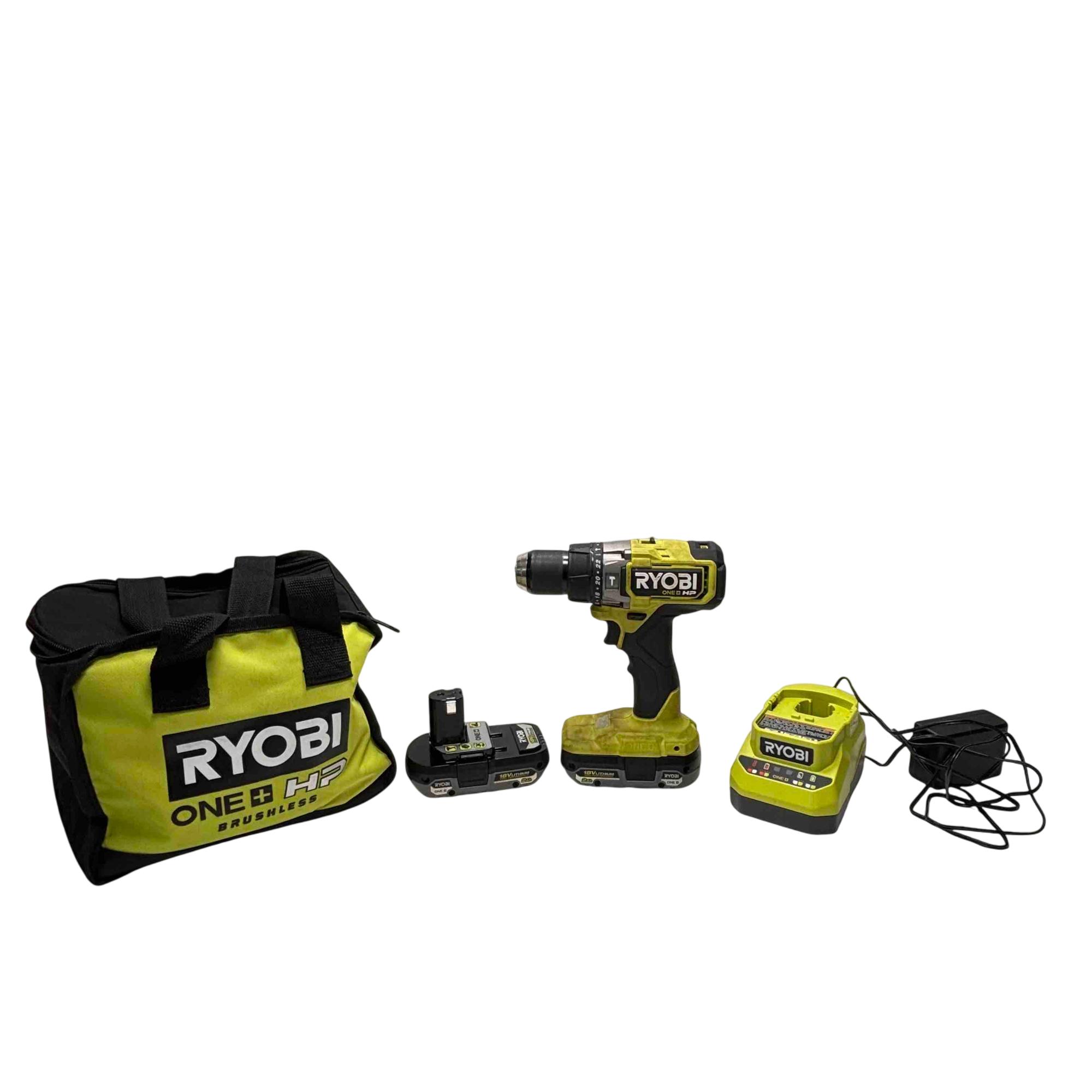
The battery plays a key role in the power of a cordless drill. It affects how strong the drill runs and how long it lasts. Different batteries give different amounts of power, which changes the drill’s performance. Understanding battery features helps choose the right drill for any task.
Battery Voltage Impact
Voltage shows the strength of the battery. Higher voltage means the drill can deliver more power. For example, 18-volt drills are stronger than 12-volt ones. This means they can handle tougher jobs. Voltage also affects the drill’s speed and torque. More voltage usually means better drilling ability.
Amp Hours And Runtime
Amp hours (Ah) tell how long a battery lasts. A higher Ah means the drill runs longer before needing a recharge. For example, a 4Ah battery lasts twice as long as a 2Ah battery. Longer runtime helps finish jobs without stopping. It also means fewer battery swaps during work.
Battery Technology Advances
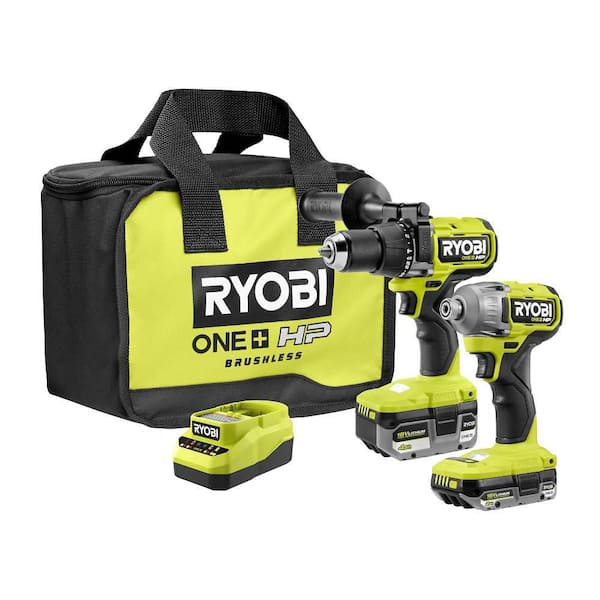
Battery technology keeps improving. New batteries are lighter and hold more power. Lithium-ion batteries are common today. They charge faster and last longer than older types. These advances make cordless drills more powerful and reliable. Users get better performance and convenience.
Credit: www.homedepot.com
Power Comparison With Corded Drills
Comparing the power of cordless drills with corded drills helps understand their strengths. Corded drills often offer consistent power output. Cordless drills rely on batteries, which can limit their peak power. This comparison matters for choosing the right tool.
Performance Differences
Corded drills provide steady power without interruptions. They usually have higher horsepower ratings than cordless drills. Cordless drills may lose power as the battery drains. Corded drills handle tough materials more easily. Cordless drills suit lighter tasks but improve with better batteries.
Use Case Scenarios
Corded drills work well for long, continuous jobs. They need a power outlet nearby. Cordless drills offer freedom to move around. They work best for quick fixes and small projects. Professionals often use corded drills for heavy work. Homeowners prefer cordless drills for convenience.
Energy Efficiency
Cordless drills use rechargeable batteries, saving electricity over time. They consume power only when in use. Corded drills draw constant electricity from the outlet. This can lead to higher energy use during long tasks. Battery technology keeps improving, making cordless drills more efficient.
Factors Affecting Drill Power Output
The power output of a cordless drill depends on several key factors. These factors determine how strong and effective the drill will be for different tasks. Understanding them helps you choose the right drill for your needs.
Motor Type
The motor type in a cordless drill affects its power and efficiency. Brushless motors are more efficient and last longer than brushed motors. They provide better power output and use battery energy wisely. Brushed motors are common but may wear out faster and produce less power.
Gear Settings
Gear settings control the drill’s speed and torque. Lower gears give more torque but slower speed, good for tough jobs. Higher gears offer faster speed but less torque, perfect for drilling holes. Multiple gear settings make the drill versatile for various tasks.
Torque Ratings
Torque measures the twisting force the drill can apply. Higher torque means the drill can handle harder materials. Torque ratings vary between models and affect drilling and driving performance. Adjustable torque settings help prevent damage to screws and materials.
Choosing The Right Power For Your Needs
Choosing the right power for your cordless drill matters. The power affects how well the drill performs for different tasks. Picking a drill with the right horsepower (HP) helps you save effort and get better results. Each use calls for a different power level. Understanding these needs helps you choose the best drill.
Home Use
For simple home jobs, a drill with low to medium power works well. Drills with around 0.5 to 1.0 HP handle most tasks. These drills are light and easy to control. They work great for hanging pictures or assembling furniture. You do not need high power for these small jobs.
Diy Projects
DIY projects can be more demanding. You may need a drill with 1.0 to 1.5 HP. This power level can handle wood, plastic, and light metal. It helps with building shelves or fixing fences. A stronger drill makes your work faster and less tiring. Choose a cordless drill that balances power and battery life.
Professional Construction
Construction work requires high power drills. Look for drills with 1.5 HP or more. These tools can drill through tough materials like concrete and thick wood. Professionals need durable drills that last all day. High power means the drill runs smoothly under heavy use. This type supports strong and quick drilling for big jobs.
Future Trends In Cordless Drill Power
The power of cordless drills keeps improving. Advances in technology make these tools stronger and smarter. Users can expect better performance and longer use time. The future of cordless drill power looks bright.
New trends focus on battery life, motor design, and power control. These changes help drills work harder and last longer. Let’s explore key future trends in cordless drill power.
Battery Innovations
Batteries are the heart of cordless drills. New battery types store more energy in smaller sizes. Faster charging technology reduces downtime. Lightweight batteries make drills easier to handle. These innovations extend work time and improve user comfort.
Motor Efficiency
Motors are becoming more efficient and powerful. Brushless motors reduce energy loss and heat. This means longer motor life and better torque. Efficient motors use less battery power. Users get strong performance without quick battery drain.
Smart Power Management
Smart systems control power delivery to the drill. They adjust speed and torque based on the task. This prevents battery waste and tool wear. Some drills connect to apps for monitoring power use. Smart power helps users work longer and safer.

Credit: slinkystudio.info
Frequently Asked Questions
How Many Horsepower Does A Cordless Drill Have?
Cordless drills typically range from 0. 1 to 0. 5 horsepower. Their power depends on battery voltage and motor design. Higher voltage models provide more torque and speed, improving drilling performance. Horsepower in cordless drills is lower than corded ones but sufficient for most DIY tasks.
Can Cordless Drill Power Be Compared To Horsepower?
Yes, but cordless drill power is usually measured in volts and torque. Horsepower is less common for cordless drills. To estimate horsepower, convert torque and speed into mechanical power. This helps understand the drill’s strength for drilling or driving screws.
What Affects The Horsepower Of A Cordless Drill?
Battery voltage, motor efficiency, and design affect a cordless drill’s horsepower. Higher voltage batteries provide more power, increasing horsepower. Brushless motors improve efficiency, boosting performance. Larger drills tend to have higher horsepower for heavy-duty applications.
Is Higher Horsepower Better For Cordless Drills?
Higher horsepower means more drilling power and faster screw driving. It is better for tough materials like metal or hardwood. However, for light tasks, lower horsepower drills are lighter and more affordable. Choose horsepower based on your specific needs and project types.
Conclusion
Cordless drills usually do not list horsepower like other tools. Instead, they show voltage or torque to measure power. Higher voltage often means more power, but not always better for every job. Choose a drill based on your work needs, not just numbers.
Understanding power helps pick the right tool. This makes tasks easier and faster. Remember, a good cordless drill balances power and convenience well. Keep these points in mind when shopping. Your projects will benefit from the right cordless drill choice.
