


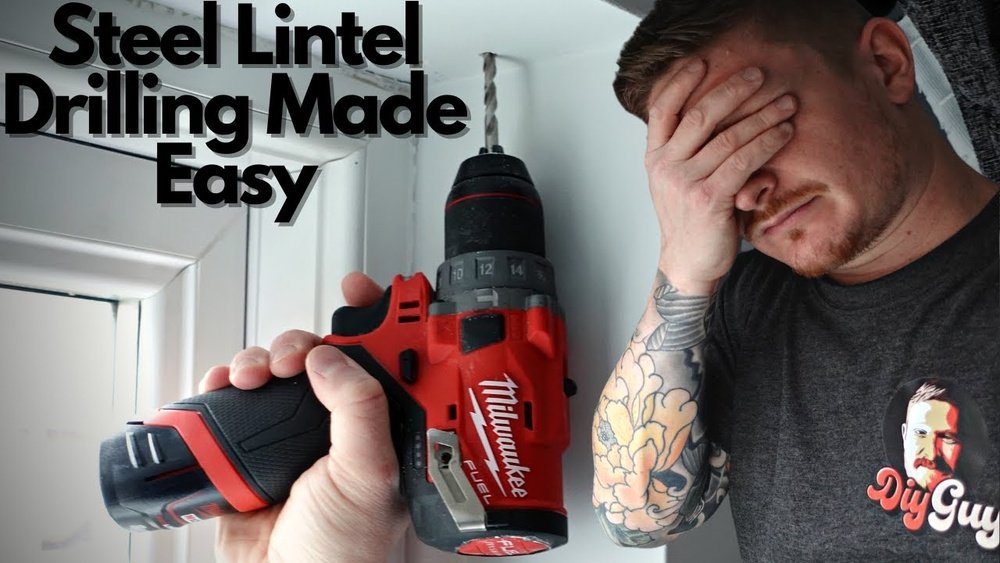
Drilling through a lintel might sound tricky, but with the right steps, you can do it safely and effectively. Whether you’re hanging something heavy or running wires, knowing how to handle this job can save you time and money.
In this guide, you’ll learn exactly what tools to use, how to prepare, and the best techniques to get the job done without damaging your structure. Keep reading—you’ll feel confident tackling your project from start to finish.

Credit: www.reddit.com
Choosing The Right Tools
Choosing the right tools is the first step in drilling through a lintel. The right tools make the job easier and safer. They help you avoid damage to the lintel and get clean, precise holes. Using the wrong tools can cause cracks or break the lintel. This section explains how to pick the best drill, drill bits, and safety gear for the task.
Selecting The Drill Type
Use a hammer drill or rotary hammer for drilling into a lintel. These drills have extra power to handle tough materials like concrete or steel. A standard drill may not work well and can overheat. Choose a drill with adjustable speed and hammer function. This helps control the drilling and reduces damage.
Picking Suitable Drill Bits
Choose drill bits designed for hard materials. Carbide-tipped masonry bits work well on concrete lintels. For steel lintels, use high-speed steel (HSS) or cobalt bits. Make sure the drill bits fit your drill chuck tightly. Replace worn bits to keep drilling smooth and accurate.
Safety Gear Essentials
Wear safety glasses to protect your eyes from dust and debris. Use ear protection because hammer drills are noisy. Gloves protect your hands from sharp edges and vibration. A dust mask stops you from breathing in harmful particles. Always wear sturdy shoes to protect your feet on site.
Preparing The Lintel
Preparing the lintel is the first step before drilling. Careful preparation helps avoid damage and ensures safety. Take time to understand the lintel’s condition and layout. This makes drilling easier and more accurate.
Follow these steps to get the lintel ready for drilling.
Assessing The Lintel Material
Identify the material of the lintel. Common types include concrete, steel, and wood. Each material needs different drill bits and techniques. For example, a concrete lintel requires a masonry bit. Knowing the material helps pick the right tools.
Marking The Drill Points
Measure and mark exact spots for drilling. Use a pencil or chalk for clear marks. Double-check measurements to avoid mistakes. Marking ensures holes go in the right place. This avoids weakening the lintel structure.
Checking For Hidden Obstacles
Scan the lintel for wires, pipes, or rebar inside. Use a stud finder or metal detector. Drilling into hidden objects can cause damage or injury. Confirm no obstacles are in the drill path. Safety comes first in every step.
Drilling Techniques
Drilling through a lintel requires careful technique to avoid damage. The right method helps make clean holes and extends the drill bit’s life. Focus on drill speed, pressure, and cooling for best results.
Setting The Drill Speed
Choose a low to medium speed for drilling through lintels. High speed can overheat the bit and damage the material. Start slow and increase speed slightly if needed. Match speed with the bit size and lintel type.
Maintaining Steady Pressure
Apply firm, even pressure on the drill. Too much force may crack the lintel. Too little pressure wastes time and wears the bit. Let the drill do the work. Keep your hands steady during drilling.
Cooling The Drill Bit
Heat buildup reduces drill bit effectiveness. Use water or a cooling spray to keep the bit cool. Pause drilling to let the bit cool if it gets hot. Cooling prevents damage and helps drill smoothly.

Credit: www.youtube.com
Common Challenges
Drilling through a lintel can be tricky. Several challenges can arise during the process. Understanding these common issues helps you work safely and efficiently. This section covers the main problems and how to handle them.
Dealing With Cracks And Chips
Cracks and chips often appear around the drilling area. These can weaken the lintel’s strength. Use a slow drilling speed to reduce damage. A sharp drill bit also helps prevent cracking. Avoid pressing too hard on the drill. Small cracks can grow if handled carelessly.
Handling Reinforced Lintels
Reinforced lintels contain metal bars inside. These bars make drilling harder and slower. Use a drill with a hammer function for better results. A masonry drill bit designed for metal is essential. Stop drilling if you hit metal bars. Change to a metal drill bit to continue safely.
Avoiding Structural Damage
Lintels support the wall above openings. Drilling too deep can cause serious damage. Measure carefully before starting to drill. Keep the drill straight and steady. Do not drill near the lintel edges. Check for wires or pipes hidden inside walls. Protecting the lintel keeps your home safe.
Finishing Touches
After drilling through a lintel, the job is not finished yet. Finishing touches are important to keep the work strong and neat. These steps also help protect the lintel and improve the look of your project.
Cleaning the hole, sealing it, and checking your work are key actions to complete the task well. Take time with these steps to ensure a safe and lasting result.
Cleaning The Hole
Remove dust and debris from the drilled hole. Use a brush or compressed air to clean inside. A clean hole helps materials stick better and prevents damage. Check for loose pieces and clear them out carefully.
Sealing And Protecting
Apply sealant or filler inside the hole. This stops moisture and air from entering. Use a product suitable for the lintel material. Sealing also stops rust and decay. Smooth the surface for a clean finish.
Inspecting The Drill Work
Look closely at the drilled hole and surrounding area. Check for cracks or chips in the lintel. Make sure the hole is the right size and depth. Fix any problems before using the lintel again. A good inspection keeps the structure safe and strong.
Credit: uklintels.com
Expert Maintenance Tips
Proper maintenance is important after drilling through a lintel. It helps keep tools safe and the lintel strong. Taking small steps after work extends tool life and prevents damage.
Check tools and the lintel often. Catch problems early. Fix them before they get worse. This keeps your work area safe and ready for the next job.
Tool Care After Drilling
Clean drill bits and tools after use. Remove dust and debris with a brush. Wipe down metal parts to stop rust. Store tools in a dry place.
Sharpen drill bits regularly. Dull bits make drilling harder and can harm the lintel. Use the right bit for the material to avoid extra wear.
Regular Lintel Inspections
Look at the lintel for cracks or chips. Check around drilled holes for signs of damage. Small cracks can become big problems.
Use a flashlight to see hidden areas. Tap gently with a hammer to hear hollow sounds. These steps help find weak spots early.
Frequently Asked Questions
What Tools Do I Need To Drill Through A Lintel?
You need a hammer drill, masonry bit, safety goggles, and dust mask. A good-quality drill ensures smooth drilling through concrete or steel lintels.
How Do I Avoid Damaging The Lintel While Drilling?
Use the correct drill bit and steady pressure. Start with a small pilot hole, then gradually increase bit size to prevent cracks or structural damage.
Can I Drill Through Any Type Of Lintel?
Most masonry and steel lintels can be drilled. However, check lintel material and thickness first, as some may require specialized bits or professional help.
How Deep Should I Drill Into A Lintel?
Drill just enough to pass through the lintel and allow anchor insertion. Avoid excessive depth to maintain lintel strength and structural safety.
Conclusion
Drilling through a lintel takes care and the right tools. Always check the lintel’s material and strength first. Use a drill bit made for concrete or metal. Take your time and keep the drill steady. Safety gear protects you from dust and debris.
With patience and the right steps, you can finish the job safely. Remember, planning and preparation make the work easier. Now, you are ready to drill through a lintel confidently and safely.
